Longest Living Large Dog Breeds
When some people think of large dogs, they often assume a big dog equals a short lifespan. It is true that some giant breeds like Great Danes and Mastiffs tend to age faster. But not all big dogs follow that pattern. Some large breeds are surprisingly long-lived, often reaching 12, 13, or even 14 years with good care.
If you’re hoping for a big dog that stays by your side for as long as possible, the breeds below are worth a closer look. These dogs are sturdy, healthy, and tend to age more slowly than many of their giant cousins.
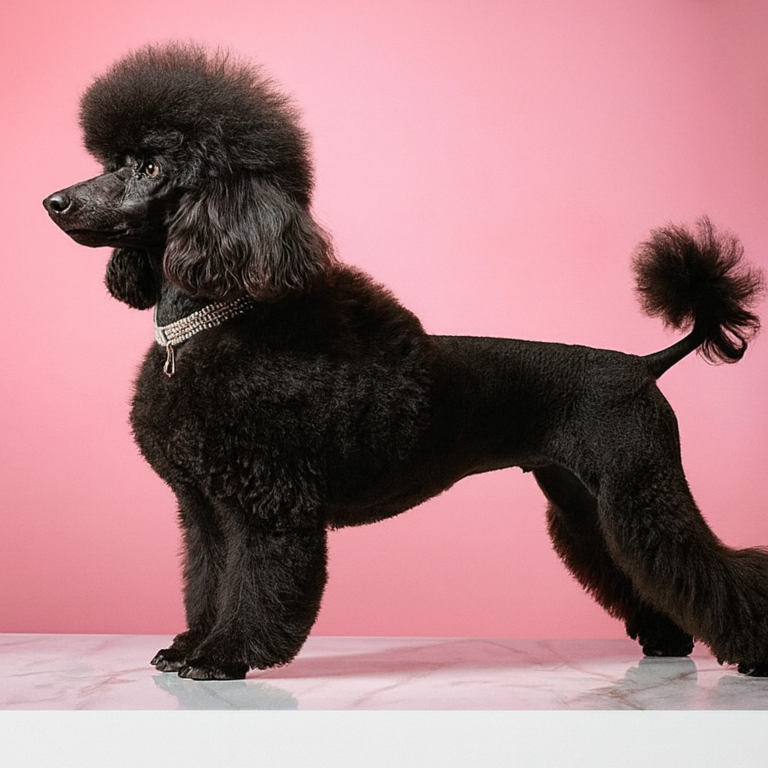
1. Standard Poodle (12–15 years)
Elegant, athletic, and wicked smart, Standard Poodles are one of the healthiest large breeds. They’re active dogs who love mental stimulation and thrive in homes where they’re part of the family. Their long lifespan often surprises people, but with proper grooming and exercise, these dogs age very gracefully.
What really sets Standard Poodles apart is how adaptable they are. They can go from hiking partner to couch companion without missing a beat, as long as they’re included in daily life. Their low‑shedding coats do require regular upkeep, but the payoff is a clean, polished dog who turns heads everywhere they go.
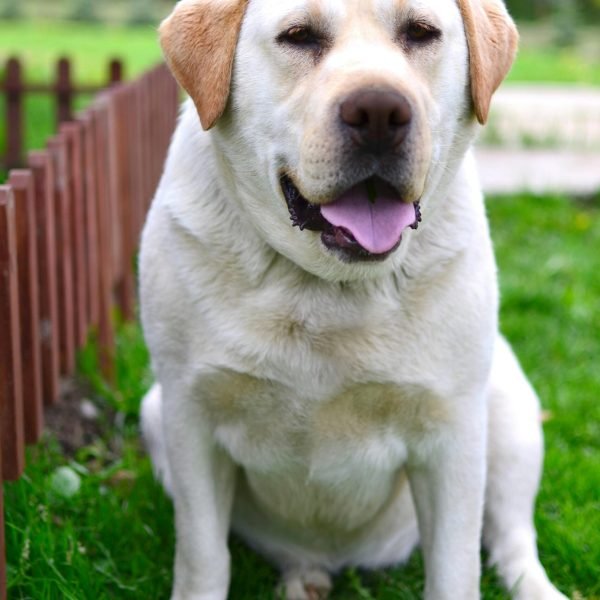
2. Labrador Retriever (10–14 years)
America’s sweetheart. Labs are friendly, goofy, and always ready for a walk or a snack. They’re prone to weight gain, so keeping them lean is the key to helping them live a long, healthy life. When well‑managed, many Labs comfortably reach their teens.
Beyond their charm, Labs have an enthusiasm for life that’s hard to match. They thrive on routine, mental stimulation, and plenty of human interaction, which makes them wonderful companions for active families. Whether they’re splashing in a lake, learning a new trick, or simply curling up at your feet, Labs bring an easy joy to everyday moments—and they give it right back when they’re cared for with intention and love.
3. Golden Retriever (10–12+ years)
Golden Retrievers are known for their gentle, loving personalities. While the breed can be prone to cancer, many Golden Retrievers live long, fulfilling lives, especially when kept at a healthy weight and given regular vet care.
What makes Goldens so endearing is their eagerness to connect. They thrive on companionship, and being part of the family’s daily rhythm. With thoughtful care and plenty of affection, they continue to shine well into their senior years.

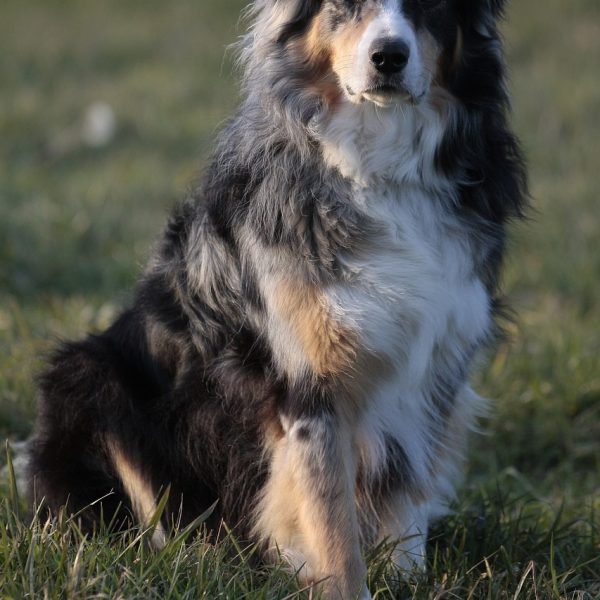
4. Australian Shepherd (12–15 years)
Although sometimes classified as a medium‑large breed, these dogs often weigh 50–65 pounds and fit comfortably into the “large dog” category. These energetic, intelligent dogs tend to stay healthy well into their teens.
Their combination of stamina and smarts means they thrive when given both physical and mental challenges. Long hikes, and puzzle toys,help them channel their enthusiasm. With consistent engagement and a family that appreciates their lively spirit, they mature into great companions who stay vibrant and engaged well into their senior years.
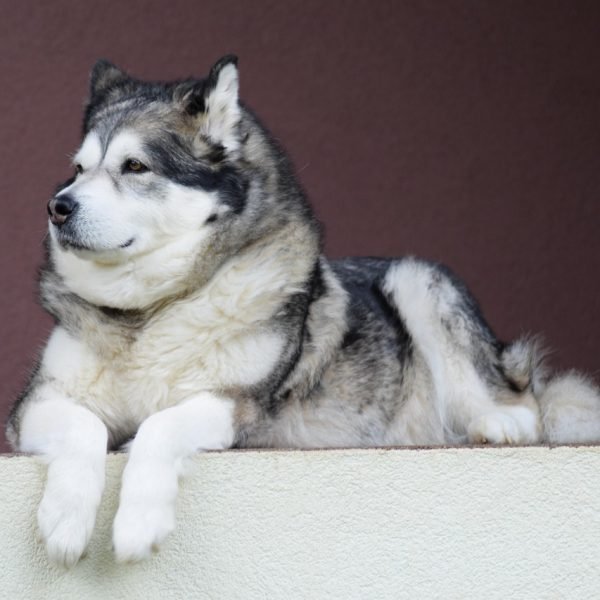
5. Alaskan Malamute (10–14 years)
Big, fluffy, and hardworking, Malamutes are built for endurance, which may be why they often live longer than expected for such a large breed. They need plenty of exercise and mental stimulation, but in the right home, these dogs stay fun, playful, and energetic for years.
Their strong work ethic is matched by an affectionate, social nature that makes them deeply connected to their families. Malamutes thrive when they have a job to do, whether it’s pulling a sled, or joining you on long hikes. With consistent structure, and plenty of companionship, they remain spirited, loyal partners well into their senior years.
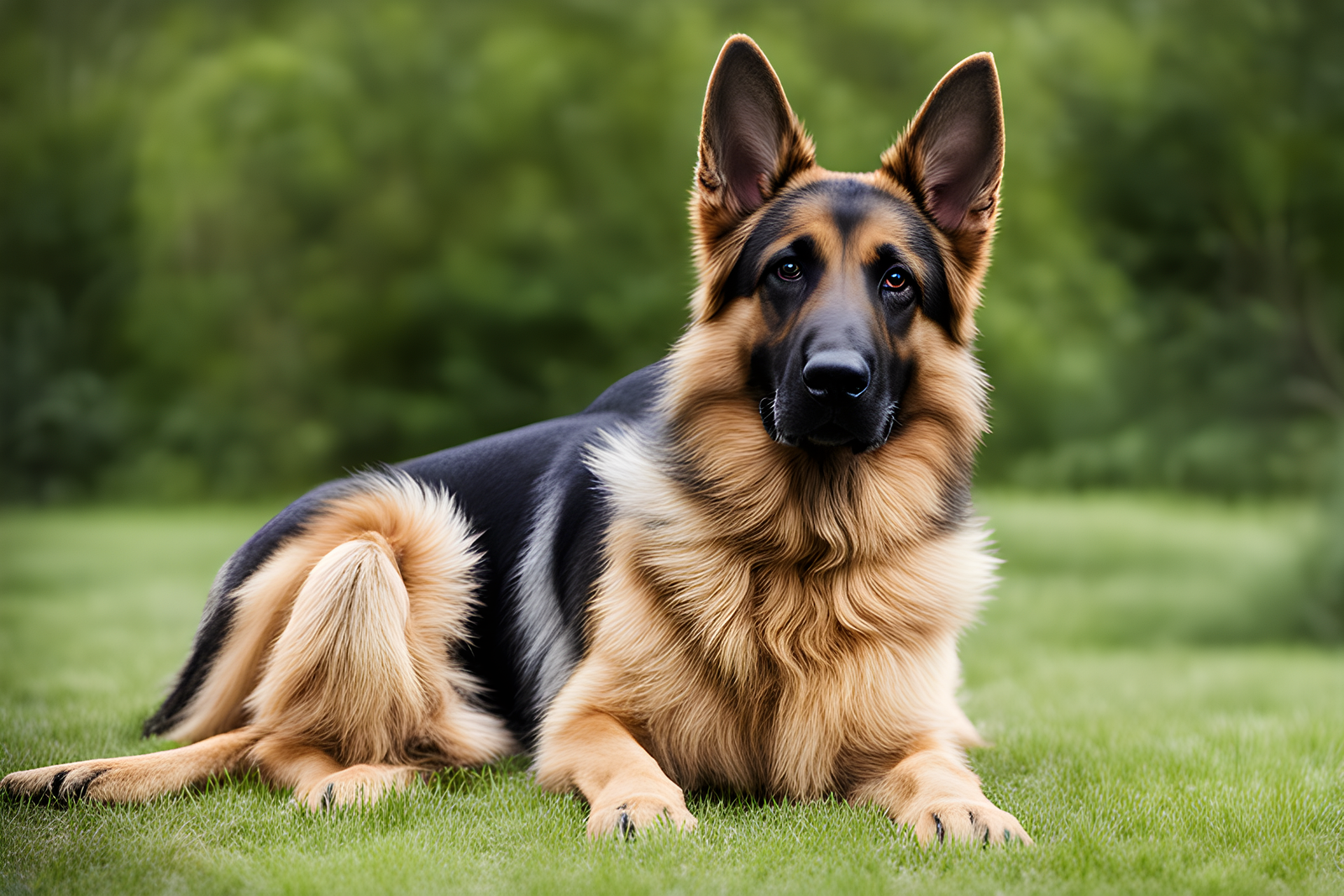
6. German Shepherd (9–13 years)
German Shepherds have a reputation for health problems, but many well‑bred shepherds live long, active lives. Their intelligence and loyalty make them incredible companions.
What truly sets them apart is their eagerness to work alongside people. They thrive when given structure, purpose, and consistent training. Whether they’re learning new tasks, or exploring the outdoors, German Shepherds bring a steady, devoted presence to any home. With thoughtful care and plenty of enrichment, they remain sharp, affectionate partners well into their senior years.

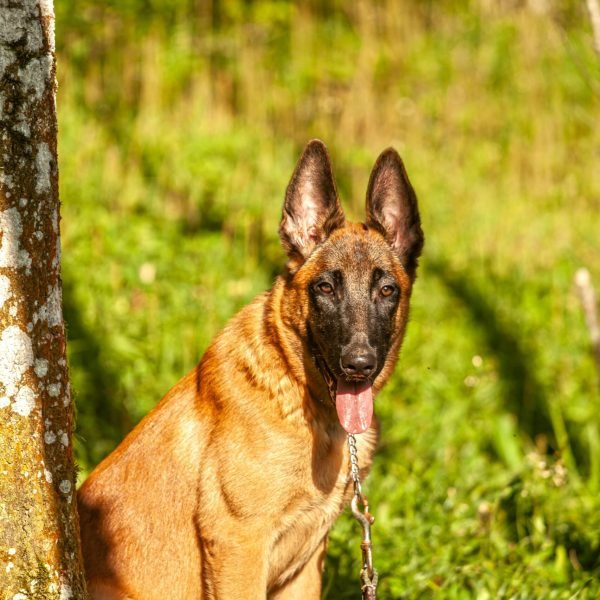
7. Belgian Malinois (12–14 years)
Strong, athletic, and serious about their job, Malinois are one of the longest‑living working breeds. They tend to stay healthy when kept active and mentally engaged, sometimes outliving other similarly sized dogs by several years.
What really defines a Malinois is their intensity. These dogs are sharp, driven, and happiest when they have a purpose, whether that’s structured training, agility work, or simply being included in daily routines. When their energy is channeled well, they mature into incredibly loyal, steady companions who stay fit and capable well into their senior years.
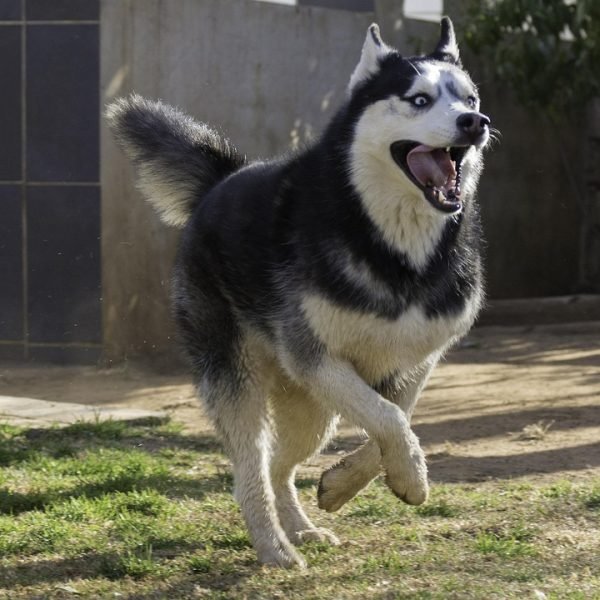
8. Siberian Husky (12–14 years)
Huskies are surprisingly long‑lived for their size. Originally bred for strength and endurance, they tend to stay lean and fit well into old age. They’re independent, mischievous, and full of personality, never a dull moment with these dogs.
What really makes Huskies unforgettable is their mix of athleticism and attitude. They’re clever problem‑solvers who love to run, and explore. With consistent exercise and a bit of patience for their stubborn streak, Huskies mature into spirited, affectionate companions who stay bright‑eyed and energetic well into their senior years.
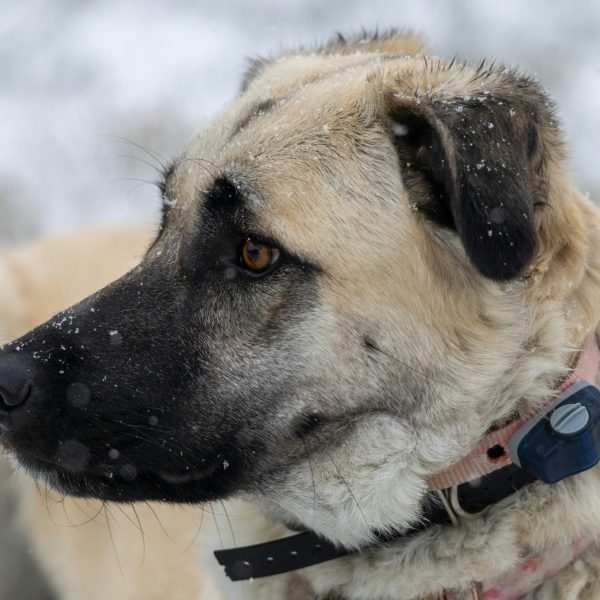
9. Anatolian Shepherd (11–13 years)
As a livestock guardian breed, these dogs are hardy, independent, and built to withstand harsh conditions. They age slowly compared to other giant dogs and often stay active and alert well into their senior years.
What really defines an Anatolian Shepherd is their calm, watchful nature. They’re deeply loyal to their family. While they don’t crave constant attention, They bond strongly with the people they trust and carry themselves with a quiet confidence.
Why These Big Dogs Live Longer
Big dogs age faster than smaller dogs in general, but certain traits help these breeds stay healthier longer:
Lean body structure – Dogs that don’t pack on weight tend to have less strain on their joints and heart.
Moderate energy levels – Active dogs stay fit, strong, and mentally sharp into old age.
Genetic diversity – Some breeds have fewer inherited health issues.
Working backgrounds – Breeds developed for endurance or agility often have strong, resilient bodies.
Why These Big Dogs Live Longer
Big dogs age faster than smaller dogs in general, but certain traits help these breeds stay healthier longer:
Lean body structure – Dogs that don’t pack on weight tend to have less strain on their joints and heart.
Moderate energy levels – Active dogs stay fit, strong, and mentally sharp into old age.
Genetic diversity – Some breeds have fewer inherited health issues.
Working backgrounds – Breeds developed for endurance or agility often have strong, resilient bodies.
How to Help Any Large Dog Live Longer
No matter what breed you have, there are simple things you can do to help your big dog stay healthy:
Keep them at a healthy weight. Extra pounds shorten a dog’s lifespan more than most people realize.
Feed a high-quality diet. Large dogs benefit from balanced nutrition and joint-supporting ingredients.
Exercise regularly. Daily walks, playtime, and mental stimulation keep their bodies and minds sharp.
Stay on top of vet visits. Early detection can make a huge difference.
Support their joints. Orthopedic beds, joint supplements, and low-impact exercise help big dogs age comfortably.
Give them enrichment. Bored dogs tend to develop anxiety or destructive behaviors.
Final Thoughts
Big dogs may not live as long as tiny breeds, but some large breeds truly beat the odds. With good breeding, proper care, and lots of love, many of these gentle giants stay by your side well into their teens.
Whether you want an active companion, a loyal family dog, or a working partner, these long-living large breeds prove that big dogs can enjoy long, happy, healthy lives and fill your home with years of unforgettable memories.
Trusted Sources for Lifespan Information
These reputable sources provide typical lifespan ranges for the breeds listed:
American Kennel Club (AKC) – Breed Information & Lifespan Data
https://www.akc.org/dog-breeds/Vetstreet – Breed Profiles
https://www.vetstreet.com/dogs/breedsThe Spruce Pets – Dog Breed Lifespans
https://www.thesprucepets.com/PetMD – Dog Health & Breed Info
https://www.petmd.com/dog/breeds