Dilated Cardiomyopathy (DCM) in Large Dogs: Symptoms, Causes & What Owners Need to Know
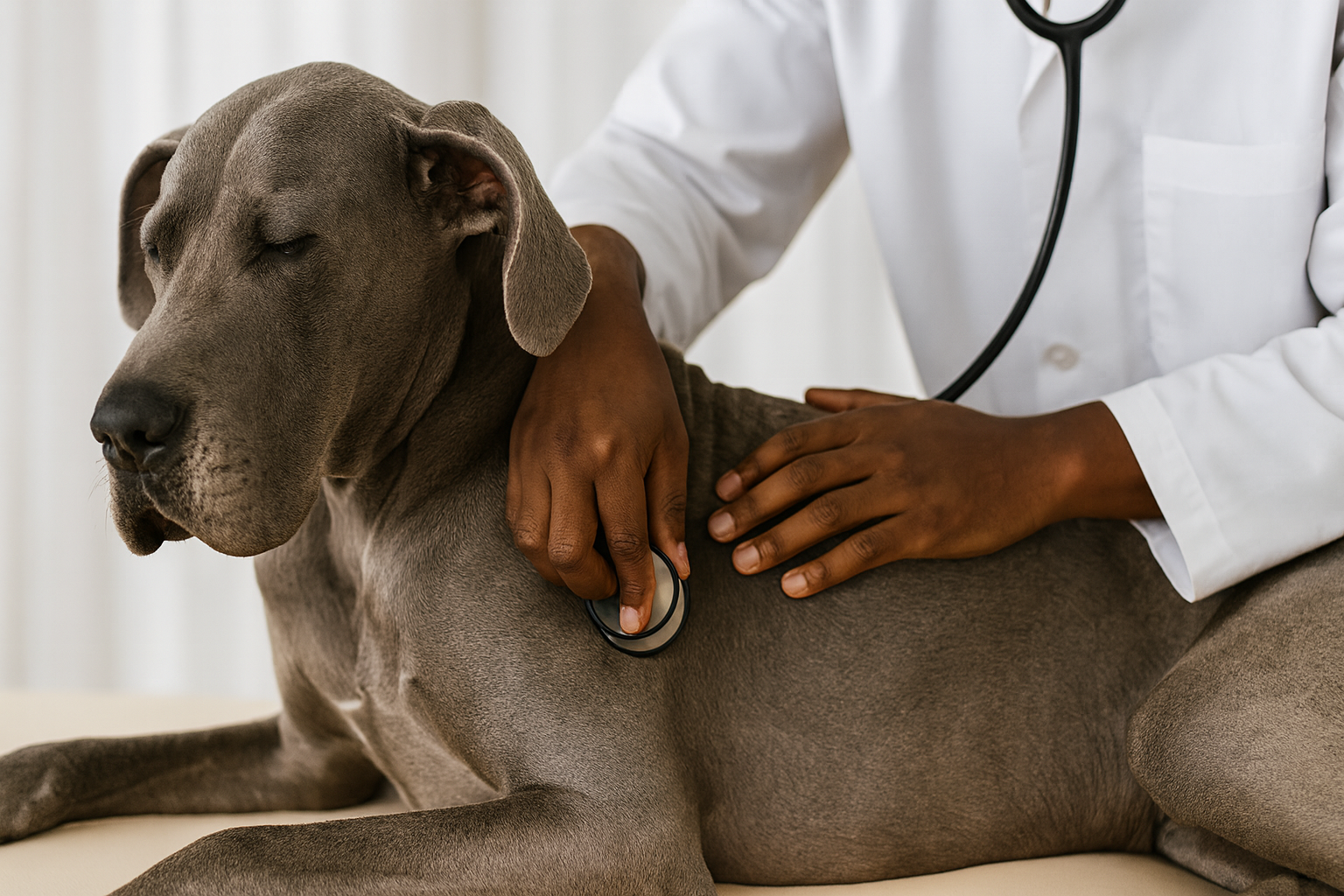
Dilated Cardiomyopathy (DCM) is one of the most serious heart conditions affecting large and giant dog breeds. It’s a disease of the heart muscle that causes the heart to enlarge and weaken, making it harder for it to pump blood efficiently throughout the body. Because the condition often develops slowly and quietly, many dogs show no obvious warning signs in the early stages. By the time symptoms appear, the disease may already be advanced.
If you own a large breed dog, especially one genetically predisposed to heart issues, understanding DCM is incredibly important. Early detection, routine veterinary care, and proper treatment can significantly improve your dog’s quality of life and may even extend their time with you. While there is currently no cure for DCM, modern medications and careful monitoring can help manage the condition and slow its progression.
What is Dilated Cardiomyopathy (DCM)?
Dilated Cardiomyopathy (DCM) is a disease of the heart muscle. Over time, the heart muscle becomes thin and weak. As it weakens, the heart enlarges (dilates), making it much more difficult to pump blood efficiently throughout the body.
When the heart can’t pump properly, fluid may build up in the lungs or abdomen, leading to congestive heart failure.
Unfortunately at this time, there is no cure for DCM. However, early diagnosis and proper medication can significantly delay progression and improve quality of life.
Large Dogs Breeds at Higher Risk
DCM is most common in large and giant breeds. Breeds frequently affected include:
Doberman Pinscher
Great Dane
Newfoundland
Irish Wolfhound
Giant Schnauzer
Boxer
In some breeds like the Doberman Pinscher, DCM is especially common and often has a strong genetic component.
What Causes DCM?
The exact cause of DCM is still unknown in many cases, but genetics plays a major role.
Possible contributing factors include:
-
Inherited genetic mutations
-
Nutritional deficiencies (in some cases)
-
Age (middle-aged to older dogs are more commonly affected)
Because genetics is a key factor, responsible breeding and health testing are extremely important in high-risk breeds.
Signs and Symptoms of DCM
DCM can be difficult to detect early because many dogs appear normal while the disease silently progresses.
As the condition worsens, you may notice:
Persistent coughing
Weakness
Lethargy
Exercise intolerance
Weight loss
Rapid breathing
Fainting episodes
If your large dog suddenly seems tired during walks or develops an unexplained cough, it’s important to schedule a veterinary exam immediately.
How DCM Is Diagnosed
Veterinarians typically use:
Stethoscope exam (to detect heart murmurs or arrhythmias)
Chest X-rays
Electrocardiogram (ECG)
Echocardiogram (ultrasound of the heart)
An echocardiogram is the most definitive test for diagnosing DCM.
Treatment Options for Dilated Cardiomyopathy
While DCM cannot be cured, treatment focuses on improving the heart’s ability to pump blood and managing symptoms.
Common treatments include:
Medications to strengthen heart contractions
Drugs to reduce fluid buildup
Medications to regulate abnormal heart rhythms
Dietary adjustments (when recommended by your veterinarian)
With proper medical management, many dogs can live months to years with a good quality of life after diagnosis, especially if caught early.
Living With a Dog Diagnosed With DCM
If your dog is diagnosed with DCM:
Follow medication schedules strictly
Schedule regular rechecks and heart monitoring
Watch for changes in breathing or energy levels
Avoid intense exercise unless your vet approves
Close monitoring makes a significant difference in slowing disease progression.
Can DCM Be Prevented?
Because DCM is largely genetic in predisposed breeds, full prevention is not always possible. Here are some things you can do:
Choose reputable breeders who perform cardiac screening
Schedule routine vet checkups
Monitor high-risk breeds closely, especially after age 4–5
Early detection offers the best chance of extending your dog’s life.
Final Thoughts
Dilated Cardiomyopathy is a serious condition, but many big dogs can still enjoy a good, comfortable life with the right care. There’s no cure, but catching it early and following your vet’s plan can make a huge difference in how your dog feels day to day.
If you have a breed that’s more likely to develop DCM—like my own American Bully—staying aware and asking questions is one of the best things you can do. Paying attention to small changes, keeping up with checkups, and being proactive gives your dog the strongest chance at a long, happy life by your side.
Trusted Resources
The information in this article was researched and supported by the following trusted veterinary organizations:
American College of Veterinary Internal Medicine (ACVIM)
American Kennel Club (AKC Canine Health Foundation)
Merck Veterinary Manual
VCA Animal Hospitals
Cornell University College of Veterinary Medicine
Tufts University Cummings School of Veterinary Medicine
These organizations provide peer-reviewed veterinary information and clinical guidance on Dilated Cardiomyopathy and other canine heart conditions.
Disclaimer
I am not a veterinarian or medical professional. The information provided in this article is for educational and informational purposes only. It is based on research from reputable veterinary websites, veterinary hospitals, and trusted animal health resources.
This content is not intended to diagnose, treat, cure, or prevent any medical condition. Always consult your licensed veterinarian for proper diagnosis, medical advice, and treatment options specific to your dog.
If you suspect your dog may have Dilated Cardiomyopathy (DCM) or any heart condition, please consult your veterinarian immediately