Training Your Large Puppy to Be Obedient and Manageable
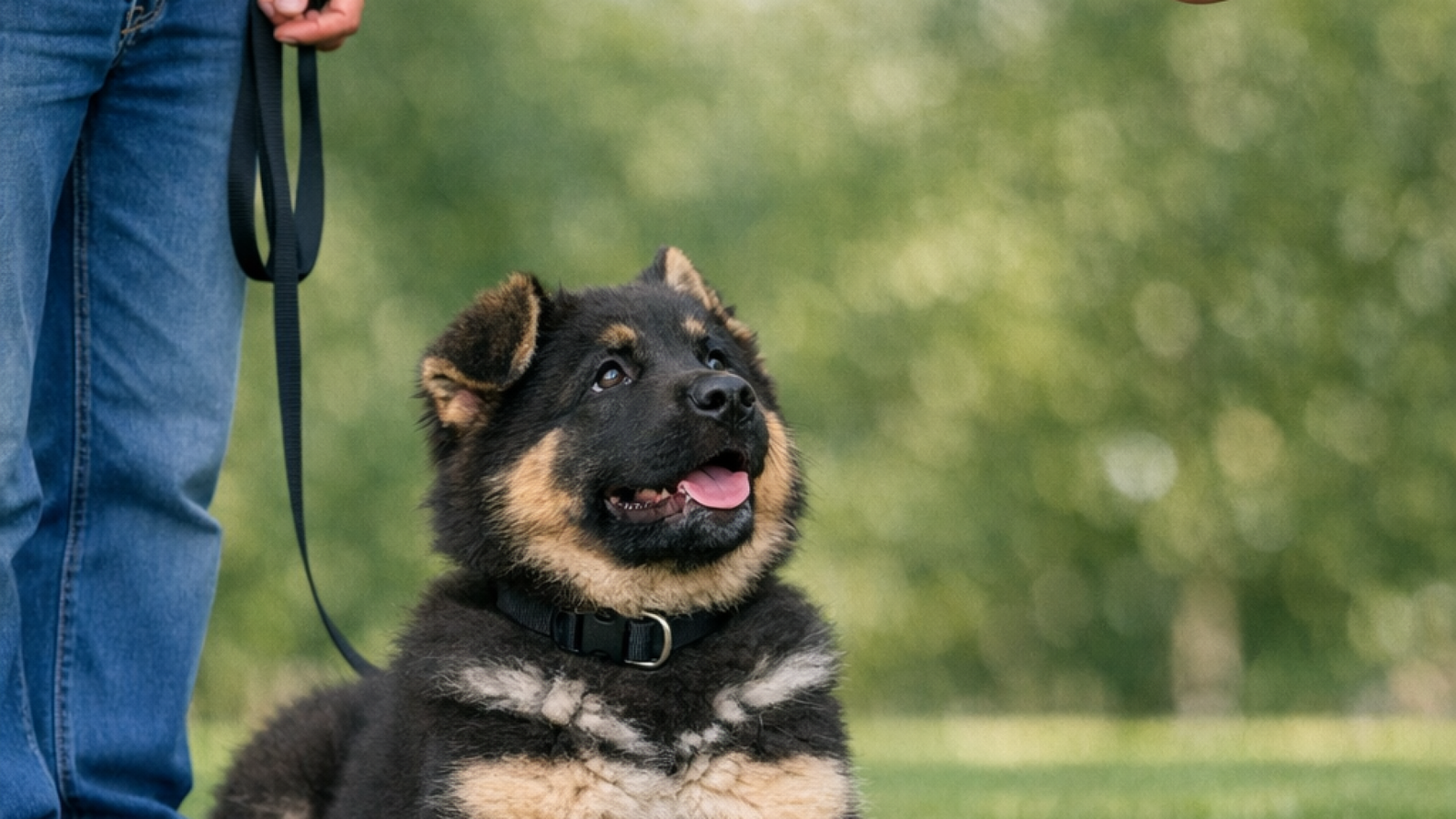
Training a large puppy isn’t just about good manners, it’s about safety, control, and setting the standard for a well-behaved adult dog. A playful 20-pound puppy quickly turns into an 80+ pound dog, and without proper training, even simple behaviors like pulling on the leash or jumping can become overwhelming and dangerous.
The good news is that large puppies are incredibly trainable. With consistency and patience, you can raise a dog that is calm, obedient, and easy to manage in everyday life. The key is balancing obedience training, mental stimulation, and safe physical activity, especially while their bones and joints are still developing.
Why Training Matters More for Large Breeds
Bad behavior is not good for any dog but especially for a large dog. What’s cute at 10 pounds becomes dangerous at full size.
Key reasons training is essential:
- Prevents pulling, lunging, and jumping at other people and animals.
- Improves safety around people and other animals.
- Builds confidence and reduces anxiety for both you and your dog.
- Strengthens your bond with your pet.
Large breeds also mature slower physically and mentally, so early training is critical.
Core Obedience Commands Every Large Puppy Must Learn
Start with these every day commands:
1. Sit
- First command every puppy should learn
- Helps control jumping and excitement
2. Stay
- Builds impulse control
- Essential for safety (doors, streets, guests)
3. Come
- One of the most important life-saving commands
- Practice in low-distraction environments first
4. Leave It
- Prevents chewing, eating harmful items, or grabbing things
5. Walking on a Leash
- Crucial step to learn for large dogs to prevent pulling
- Teach early before strength becomes an issue
Keep sessions short, about 5–10 minutes each session and above all else, remain positive.
Exercise & Bone Safety: What You MUST Know
This is where many large dog owners make mistakes.
Why You Need to Be Careful
Large puppies have growth plates, which are soft areas in their bones that are still developing. These are vulnerable to injury.
- Growth plates don’t fully close until 12–18 months (sometimes longer for giant breeds)
- Too much impact can lead to:
- Joint problems
- Hip dysplasia
- Long-term mobility issues
Exercises to Avoid Before 12–18 Months
Avoid these until your puppy is at least 1 year old (or vet-approved):
- Running/jogging with you
- Jumping (furniture, agility, frisbee)
- Long hikes
- Repetitive fetch on hard surfaces
- Stairs (excessive use)
High-impact activities can damage joints and growth plates.
Safe Exercises for Large Puppies
Here are some safe exercises:
- Short, controlled walks
- Play on grass or soft surfaces
- Free play
- Swimming
Mental Stimulation = A Well-Behaved Puppy
Physical exercise alone won’t tire out a large puppy. Mental work is key.
Try:
- Puzzle toys
- Basic obedience drills
- Hide-and-seek (recall training)
- Scent games
Mental stimulation:
- Prevents destructive behavior
- Builds focus
- Tires them out safely
Training Tips for a Manageable Large Dog
Reward good behavior with:
- Treats
- Praise
- Toys
Be Consistent
Everyone in the household should use the same commands and rules.
Start Early
Training should begin as soon as your puppy comes home.
Control the Environment
Set your puppy up for success:
- Use a leash indoors if needed
- Limit access to problem areas
Socialize Properly
Expose your puppy to:
- People
- Dogs
- Sounds and environments
This reduces fear and aggression as they get older.
Common Mistakes to Avoid
- Over-exercising your puppy
- Allowing jumping on people because it’s cute
- Skipping leash training early
- Using punishment instead of guidance
- Inconsistent rules
When to Increase Activity
As your puppy matures:
- Around 12–18 months, most large breeds can gradually begin:
- Jogging
- Hiking
- Agility-style activities
Increase activity slowly and always consult your vet for your specific breed for additional information or questions.
Final Thoughts
Training a large puppy isn’t something you can afford to put off or take lightly. What may seem like small, harmless behaviors now like pulling on the leash, jumping on guests, ignoring commands can quickly turn into real challenges once your puppy reaches full size. The earlier you start, the easier it is to shape a dog that is calm, responsive, and easy to manage in everyday life.
At the same time, it’s just as important to remember that your puppy is still growing. Large breeds develop more slowly, and their bones and joints need time to fully mature. Pushing too hard with exercise too soon can do more harm than good. Focusing on obedience training, mental stimulation, and low-impact activity gives you the best of both worlds: a well-trained dog and a healthy one.
Consistency, patience, and positive reinforcement will take you far. Training doesn’t have to be complicated, it just needs to be intentional and consistent. Over time, those short daily sessions and simple commands will turn into lifelong habits.
In the end, the goal isn’t just obedience, it’s building a strong, trusting relationship with your dog. When you put in the work early, you’re not just raising a well-behaved large dog, you’re creating a companion that fits seamlessly into your life for years to come.
Trusted Sources
1. American Kennel Club (AKC)
https://www.akc.org/expert-advice/puppy-information/how-to-care-for-your-large-breed-dog/
2. PetMD
3. American Veterinary Society of Animal Behavior (AVSAB)
4. VCA Animal Hospitals
5. Good Dog
Disclaimer
This article is for informational purposes only and is not a substitute for professional veterinary or training advice. Always consult with a licensed veterinarian or certified dog trainer regarding your puppy’s health, exercise routine, and behavior.