Understanding Puppy Teething & Safe Chewing for Large Breed Puppies
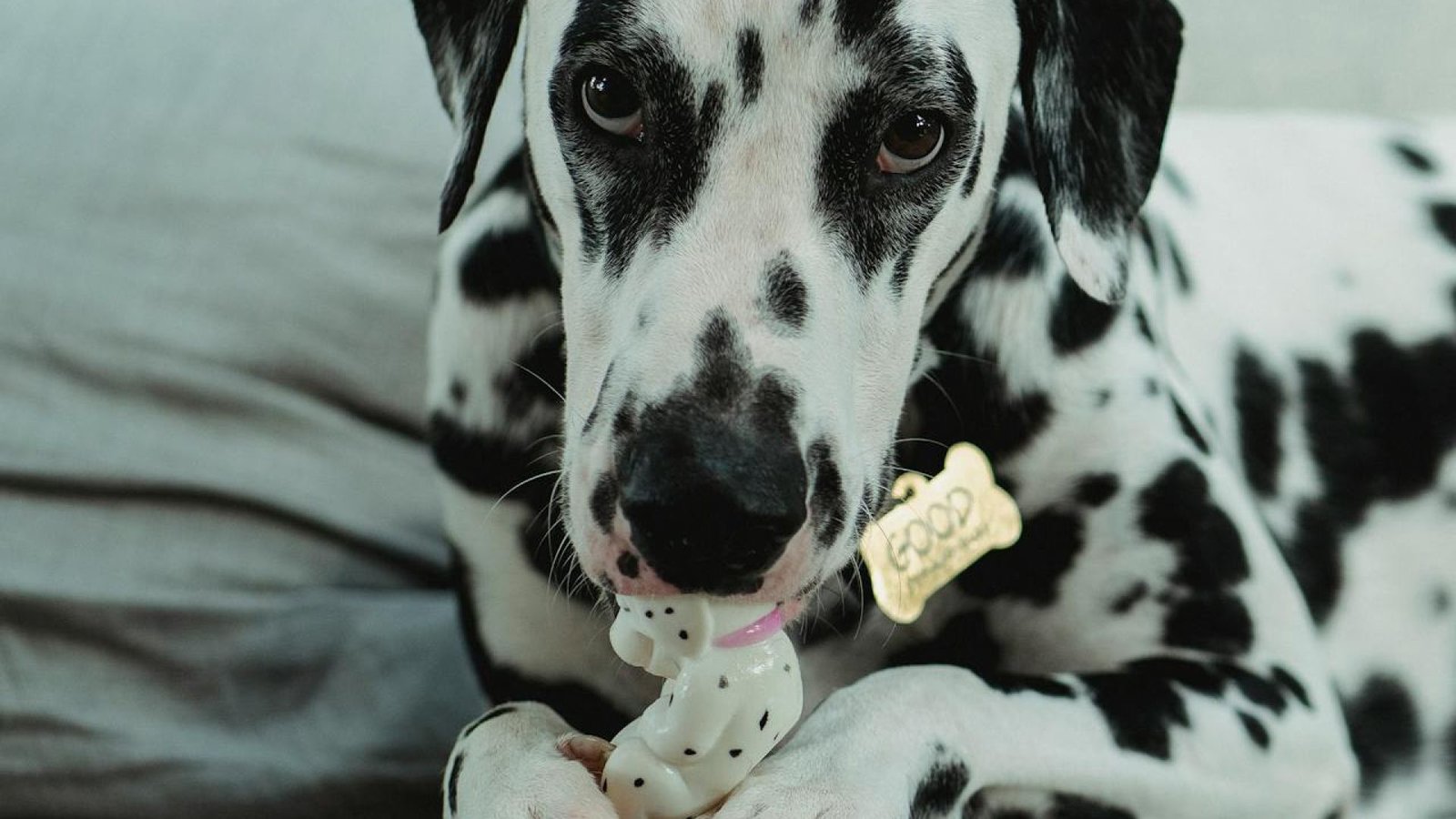
Bringing home a large breed puppy is exciting, but one thing many new owners quickly discover is just how much puppies love to chew. Shoes, furniture, blankets, and even table legs can suddenly become targets. While it may seem frustrating at times, chewing is actually a completely normal part of puppy development.
For large breed puppies especially, understanding the teething process can help you choose safer chew toys, protect your puppy’s developing teeth, and reduce destructive chewing around the house.
Puppies Are Born Without Teeth
Puppies are born toothless. During the first few weeks of life, baby teeth, also called deciduous teeth, begin to emerge. Most puppies start getting teeth around 3 to 4 weeks of age.
By the time puppies are about 6 to 8 weeks old, they typically have a full set of 28 baby teeth. These tiny teeth are extremely sharp, which is why puppy nipping often feels surprisingly painful.
Baby teeth help puppies transition from nursing to solid food, but they are temporary and eventually fall out as adult teeth develop.
When Do Puppies Start Teething?
The teething stage usually begins around 3 to 4 months of age. During this time, baby teeth loosen and adult teeth begin pushing through the gums.
Large breed puppies often experience intense chewing urges during this stage because chewing helps relieve gum discomfort and pressure from incoming teeth.
You may notice:
- Increased chewing behavior
- Drooling
- Mild gum irritation
- More interest in textured toys
- Occasional small teeth on the floor
Most puppies swallow their baby teeth while eating, which is completely normal.
By about 6 to 7 months old, most puppies will have their full set of 42 adult teeth.
Why Large Breed Puppies Need Extra Chew Toy Safety
Large breed puppies may still look young and clumsy, but their jaws become powerful quickly. That combination creates an important challenge: puppies need durable toys, but their developing teeth are still vulnerable.
Many owners accidentally choose chew toys that are too hard because they assume larger puppies need tougher products immediately. In reality, extremely hard toys can damage developing teeth.
This is especially important because large and giant breed puppies grow rapidly. Their bones, joints, and teeth are still developing during the first year of life.
Just like high-impact exercise should be limited during puppyhood, overly hard chew toys should also be avoided.
Safe Chew Toy Materials for Puppies
The safest chew toys for large breed puppies are durable enough to handle chewing but still have some flexibility.
Soft Rubber Toys
Soft rubber toys are one of the best choices for teething puppies because they provide resistance without being overly rigid.
Benefits include:
- Gentle pressure on sore gums
- Reduced risk of tooth fractures
- Easy to grip for puppies
- Durable enough for daily chewing
Many puppy owners also freeze rubber toys to provide additional relief for teething discomfort.
Puppy-Specific Nylon Chews
Not all nylon chews are unsafe. The key is choosing puppy-specific versions that are softer than adult power-chewer products.
Puppy nylon chews are designed to:
- Flex slightly under pressure
- Support healthy chewing habits
- Provide texture for teething relief
Adult nylon chews are often much harder and may not be appropriate for developing teeth.
Rope Toys for Supervised Play
High-quality rope toys can work well for gentle chewing and interactive play sessions.
However, rope toys should always be monitored because heavy chewers can eventually tear fibers loose and swallow them.
Rope toys are best used for:
- Tug games
- Light chewing
- Interactive playtime
- Redirecting biting behavior
Chew Toys to Avoid
Not every dog toy marketed for “strong chewers” is safe for puppies.
Extremely Hard Toys
If a toy feels rock-solid in your hand or has no flexibility, it may be too hard for a puppy.
Overly rigid toys can:
- Crack developing teeth
- Cause painful tooth fractures
- Damage enamel
- Create long-term dental problems
A good rule many veterinarians mention is avoiding toys that are harder than your puppy’s teeth.
Foam Toys
Foam toys are easily destroyed by large breed puppies. Pieces can break off quickly and become choking hazards or cause intestinal blockages if swallowed.
Toys with Small Parts
Ribbons, plastic eyes, bells, or detachable squeakers can become dangerous once exposed.
Large breed puppies can destroy poorly made toys surprisingly fast.
Plush Toys for Heavy Chewers
Some puppies enjoy plush toys, but determined chewers often rip them open within minutes.
Stuffing and squeakers can become choking hazards if ingested.
How to Tell If a Chew Toy Is Safe
A simple safety test is checking whether the toy has some flexibility or “give” when squeezed.
Ask yourself:
- Does the toy bend slightly?
- Is it labeled specifically for puppies?
- Are there small pieces that could break off?
- Would I feel comfortable if my puppy chewed this daily?
When in doubt, choose products designed specifically for teething puppies rather than adult power chewers.
Redirecting Destructive Chewing
Puppies do not automatically understand what they are allowed to chew. Redirection is one of the most important parts of puppy training.
If your puppy grabs a shoe or furniture leg:
- Calmly remove the object
- Redirect them to an approved chew toy
- Praise them when they chew the correct item
Consistency matters. Over time, puppies begin learning what belongs to them.
Final Thoughts
Chewing is a completely natural part of puppyhood, especially for large breed dogs going through teething. The challenge is not to stop chewing altogether, it is to guide your puppy toward safer chewing habits.
Choosing the right chew toys during this stage can help protect developing teeth, soothe sore gums, and prevent dangerous accidents from broken or inappropriate toys.
Large breed puppies grow quickly, but their teeth are still developing for months. Softer, puppy-safe chew toys are usually the best place to start before moving into tougher adult options later on.
The next step is finding chew toys that combine safety, durability, and long-lasting entertainment—which is exactly what we’ll cover in our companion article on the best chew toys for large breed puppies.
Trusted Resources
American Kennel Club. (n.d.). Puppy teething and chewing: What to expect. Retrieved from https://www.akc.org
American Veterinary Medical Association. (n.d.). Pet dental care and oral health. Retrieved from https://www.avma.org
PetMD. (n.d.). Puppy teething timeline and chewing behavior. Retrieved from https://www.petmd.com
VCA Animal Hospitals. (n.d.). Teething in puppies. Retrieved from https://vcahospitals.com
ASPCA. (n.d.). Destructive chewing in dogs and puppies. Retrieved from https://www.aspca.org