Wobbler Syndrome in Large Dogs: Symptoms, Causes, and Treatment Options
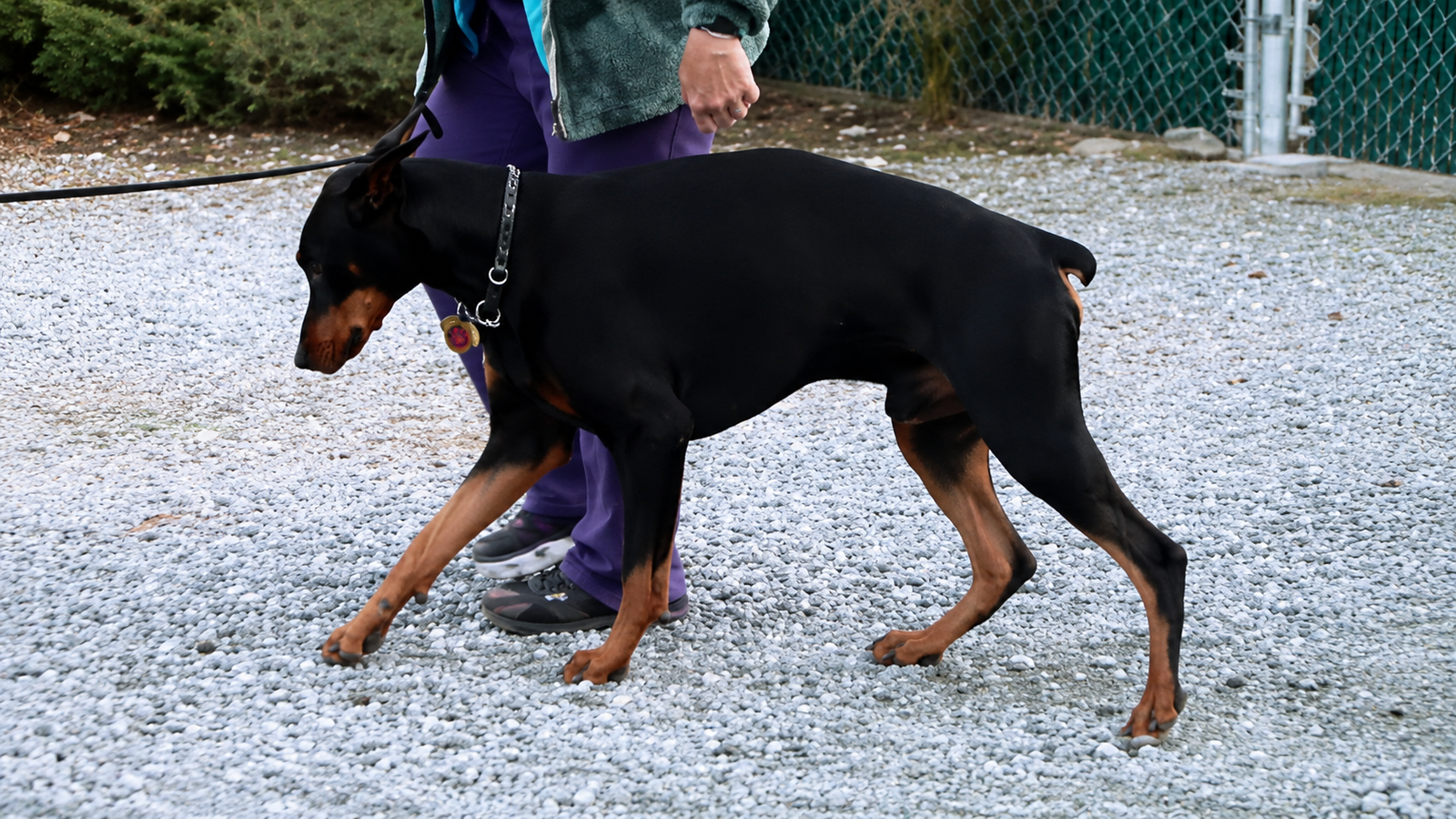
Watching your large dog struggle to walk normally can be frightening. One condition that can cause significant mobility problems is Wobbler Syndrome, a neurological disease that affects the spinal cord and nerves in the neck.
Although the condition is relatively uncommon, it primarily affects large and giant breed dogs and can significantly impact their quality of life. Early recognition of the signs can help owners seek veterinary care sooner and potentially slow disease progression.
What is Wobbler Syndrome?
Wobbler Syndrome, also known as Cervical Spondylomyelopathy (CSM), is a neurological disorder caused by compression of the spinal cord or nerve roots in the neck (cervical spine).
The compression interferes with normal nerve signals traveling between the brain and body, leading to weakness, coordination problems, and difficulty walking.
The condition may develop due to:
Abnormal bone development in the neck vertebrae
Spinal column misalignment
Narrowing of the spinal canal
Herniated or bulging intervertebral discs
A combination of a small spinal canal and disc herniation
The exact cause remains unknown, but genetics are believed to play a significant role.
Breeds Most Commonly Affected
Wobbler Syndrome primarily affects large and giant breed dogs.
Breeds frequently diagnosed include:
Doberman Pinschers
Great Danes
Mastiffs
Rottweilers
Weimaraners
Bernese Mountain Dogs
While it can occur in any breed, these larger dogs appear to have a higher genetic predisposition.
Symptoms of Wobbler Syndrome
The signs of Wobbler Syndrome often develop gradually and may worsen over time.
Common symptoms include:
Wobbly or Unsteady Gait
The condition gets its name from the characteristic “wobbling” movement seen when affected dogs walk. The rear legs are often affected first.
Walking with the Head Down
Many dogs lower their head while walking to reduce neck discomfort.
Difficulty Getting Up
Owners may notice their dog struggles to rise from a lying position, especially after resting.
Weakness in the Legs
Weakness can affect both the front and rear limbs as the disease progresses.
Neck Pain
Some dogs experience pain when moving their neck or turning their head.
Scuffing the Feet
Affected dogs may drag their paws, causing abnormal nail wear.
Loss of Coordination
As spinal cord compression worsens, dogs may stumble, cross their legs, or appear clumsy.
How Is Wobbler Syndrome Diagnosed?
Diagnosing Wobbler Syndrome requires a thorough veterinary examination.
Your veterinarian may perform:
Neurological examination
Orthopedic examination
X-rays
CT scan
MRI
An MRI is often considered the gold standard because it provides detailed images of the spinal cord and helps identify the location and severity of compression.
Treatment Options
Treatment depends on the severity of symptoms and the degree of spinal cord compression.
Conservative Management
Dogs with mild symptoms may benefit from:
Activity restriction
Weight management
Anti-inflammatory medications
Pain medications
Physical rehabilitation therapy
The goal is to reduce inflammation and prevent further injury.
Surgical Treatment
Dogs with moderate to severe symptoms may require surgery to relieve pressure on the spinal cord.
Several surgical techniques exist, and the best option depends on the dog’s anatomy and the location of the compression.
Many dogs experience improved mobility after surgery, although recovery times vary.
Why Harnesses Are Recommended
Dogs with Wobbler Syndrome should avoid traditional neck collars whenever possible.
Pressure from neck leashes can place additional strain on an already compromised cervical spine.
Instead, veterinarians typically recommend:
Front-clip harnesses
Well-padded walking harnesses
No-pull harnesses that distribute pressure across the chest
Using a harness helps minimize stress on the neck and may improve comfort during walks.
Can Wobbler Syndrome Be Prevented?
Because the exact cause remains unknown and genetics likely contribute to the disease, there is currently no guaranteed way to prevent Wobbler Syndrome.
However, owners can help support spinal health by:
Maintaining a healthy body weight
Providing regular low-impact exercise
Avoiding excessive strain on the neck
Using harnesses instead of neck collars
Seeking veterinary evaluation if mobility changes occur
Early intervention often provides the best opportunity to manage symptoms and maintain quality of life.
Living With a Dog That Has Wobbler Syndrome
A diagnosis of Wobbler Syndrome does not necessarily mean a poor quality of life.
Many dogs continue to enjoy years of companionship with appropriate medical management, rehabilitation, and lifestyle adjustments.
Providing supportive bedding, maintaining a healthy weight, using a harness, and following your veterinarian’s treatment plan can make a significant difference in your dog’s comfort and mobility.
If you notice your large dog developing an unusual gait, weakness, or difficulty getting up, schedule a veterinary evaluation promptly. Early diagnosis is one of the most important factors in managing this complex neurological condition.
Final Thoughts
Wobbler Syndrome is a serious neurological disease that primarily affects large and giant breed dogs. The condition occurs when the spinal cord or nerve roots in the neck become compressed, leading to weakness, coordination problems, and the characteristic wobbly gait.
Although the exact cause remains unclear, genetics, spinal abnormalities, and disc disease are believed to play important roles. With early diagnosis, appropriate treatment, and thoughtful management, many affected dogs can maintain a good quality of life for years.
Trusted Resources
American College of Veterinary Surgeons. (n.d.). Wobbler syndrome. ACVS. Retrieved June 24, 2026, from https://www.acvs.org/small-animal/wobbler-syndrome/
American Kennel Club. (n.d.). Wobbler syndrome in dogs: Signs, symptoms, and treatment. AKC. Retrieved June 24, 2026, from https://www.akc.org/
Merck Veterinary Manual. (n.d.). Cervical spondylomyelopathy (Wobbler syndrome) in dogs. Merck Veterinary Manual. Retrieved June 24, 2026, from https://www.merckvetmanual.com/
VCA Animal Hospitals. (n.d.). Wobbler syndrome in dogs. VCA Animal Hospitals. Retrieved June 24, 2026, from https://vcahospitals.com/know-your-pet/wobbler-syndrome
Veterinary Partner. (n.d.). Wobbler syndrome (cervical spondylomyelopathy). Veterinary Partner. Retrieved June 24, 2026, from https://veterinarypartner.vin.com/
Medical Disclaimer
This article is for educational purposes only and should not replace professional veterinary advice. If your dog shows signs of weakness, coordination problems, neck pain, or difficulty walking, consult your veterinarian promptly.