Best Diet for Large Dogs: Nutrition Tips for Strong Joints, Healthy Weight, and Better Digestion
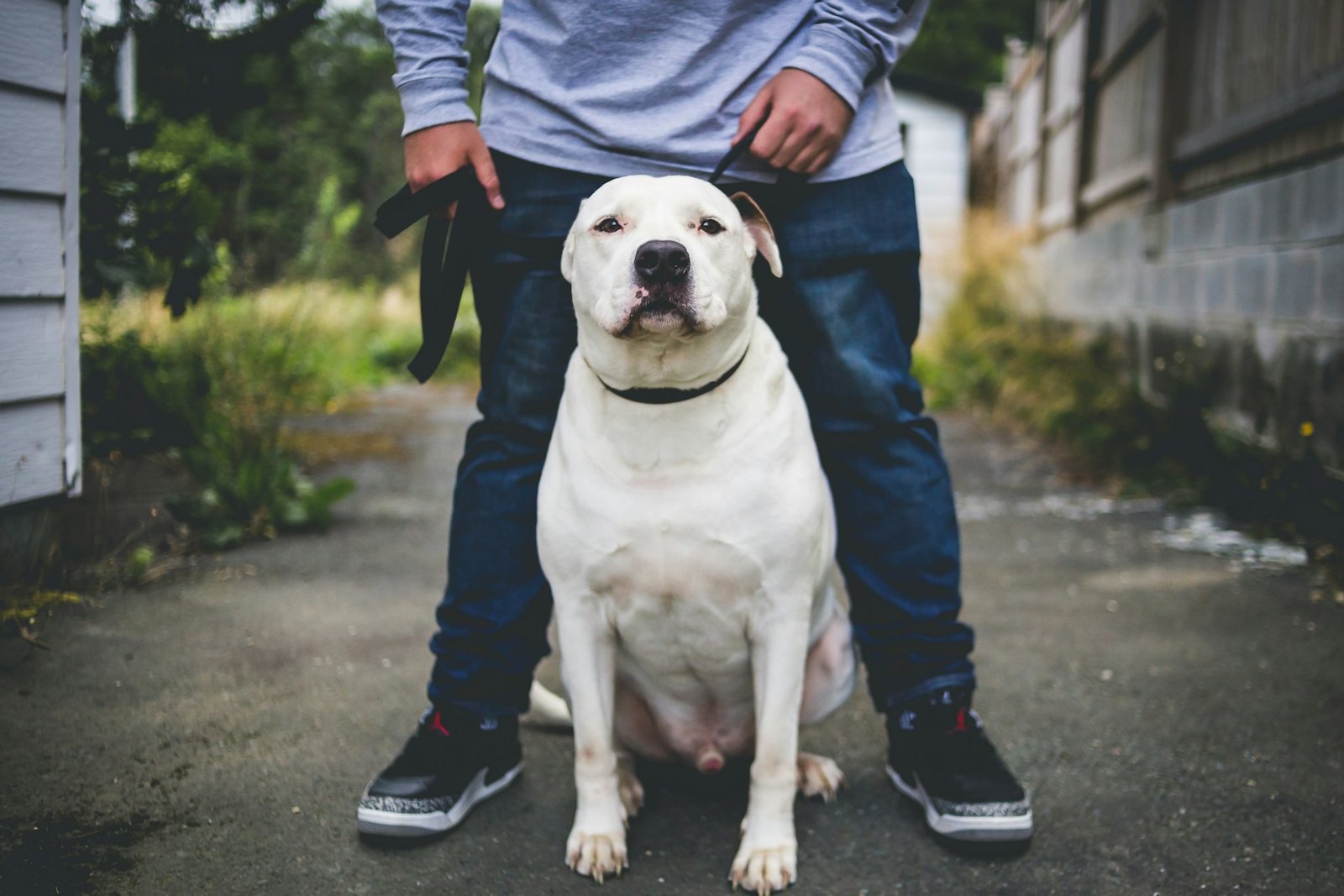
Feeding a large dog is not the same as feeding a small breed. Big dogs have unique nutritional needs that affect their joints, digestion, growth, and overall long-term health. Whether you own an American Bully, Mastiff, Cane Corso, Great Dane, or Labrador Retriever, choosing the right diet can help support mobility, maintain a healthy weight, and reduce stress on the body.
Large breed dogs are more prone to orthopedic issues and chronic joint problems than smaller breeds. They also tend to have more gastrointestinal (GI) sensitivities, making food quality especially important.
This guide covers what to look for in large breed dog food, ingredients to prioritize, and feeding tips to help your dog thrive.
Why Large Dogs Need Specialized Nutrition
Large dogs grow differently than small and medium breeds. Their bodies carry more weight, which puts additional pressure on bones and joints over time. Nutrition plays a major role in supporting healthy development and maintaining mobility as they age.
Large breed dog foods are specifically formulated to help support:
- Joint and hip health
- Controlled growth in puppies
- Healthy digestion
- Lean muscle maintenance
- Weight management
- Heart health
Many large breed formulas also contain larger kibble pieces. This encourages dogs to chew more thoroughly, which may help support dental health and reduce fast eating.
Large Dogs Often Have More GI Sensitivities
Many large dogs experience sensitive stomachs, loose stools, gas, or food intolerances. This is one reason ingredient quality matters so much.
Some dogs do better with limited ingredient diets or protein sources that are easier to digest, such as:
- Salmon
- Lamb
- Chicken
Foods with highly digestible proteins and balanced fiber can help support better stool quality and digestive comfort.
If your dog frequently experiences digestive upset, speak with your veterinarian before switching foods.
Large Dogs Need Fewer Calories Per Pound
One common mistake owners make is overfeeding large dogs. Many owners think, like I use to think that my dog needed a lot more food than a small dog.
Although big dogs eat more overall, they actually require fewer calories per unit of body weight compared to small breeds. Overfeeding can quickly lead to excess weight gain, which increases strain on joints and raises the risk of orthopedic disease.
Maintaining a healthy weight is one of the most important things you can do for your large dog’s long-term health.
How Much Should You Feed Your Large Dog?
There is no one-size-fits-all feeding amount.
The right portion depends on factors such as:
- Age
- Activity level
- Metabolism
- Health conditions
- Body composition
Your veterinarian can help determine the proper feeding amount using a Body Condition Score (BCS) system. This evaluates whether your dog is underweight, overweight, or at an ideal body condition.
Instead of relying only on feeding charts, regular weight checks and body condition evaluations provide a more accurate picture of your dog’s nutritional needs.
What to Look for in the Best Large Breed Dog Food
Choosing the right food can feel overwhelming because there are so many marketing claims online. Focusing on science-backed nutrition can help simplify the process.
1. Look for Complete and Balanced Nutrition
Choose foods labeled and formulated to meet established nutritional standards for dogs and is designed to provide essential nutrients in appropriate amounts.
2. Select Food Designed for Large Breeds
Large breed formulas are specifically created to support the unique needs of bigger dogs.
These diets often include:
- Controlled calorie levels
- Joint-support ingredients
- Balanced minerals
- Larger kibble size
Foods designed for large breeds can help support healthier growth and weight management.
3. Choose High-Quality Protein Sources
Protein helps maintain lean muscle mass, which is especially important for larger dogs carrying more body weight.
Look for recognizable protein sources such as:
- Salmon
- Lamb
- Chicken
High-quality protein can also help support energy levels and overall body condition.
4. Consider Foods with Joint Support Ingredients
Large dogs are predisposed to orthopedic diseases and chronic joint problems, making joint nutrition especially important.
Some large breed foods contain supportive ingredients such as:
- Glucosamine
- Chondroitin
- Omega-3 fatty acids
These nutrients may help support joint function and mobility.
5. Avoid Foods with Oils and Fats in the First Four Ingredients
Ingredients matter.
If oils and fats appear heavily near the top of the ingredient list, the food may be excessively calorie-dense. Too much fat can contribute to unhealthy weight gain in large dogs.
Instead, look for foods with identifiable protein sources and balanced ingredient profiles.
Wet Food vs. Dry Food for Large Dogs
Both wet and dry food can work well depending on your dog’s needs and tastes.
Dry Food Benefits
- Often more affordable
- Convenient to store
- Larger kibble encourages chewing
- May help reduce plaque buildup
Wet Food Benefits
- Higher moisture content
- Often more palatable
- Helpful for picky eaters
Some owners choose a mixed feeding approach that combines both.
Should Large Dogs Take Supplements
Some large dogs may benefit from supplements, especially seniors or dogs with mobility concerns.
Popular options include:
- Fish oil
- Glucosamine
- Chondroitin
- Probiotics
However, supplements should not replace a balanced diet. Always speak with your veterinarian before adding supplements to your dog’s routine.
Signs Your Large Dog May Need a Diet Change
Your dog’s food may not be the best fit if you notice:
- Frequent gas or loose stool
- Excessive itching
- Weight gain
- Low energy
- Poor coat condition
- Difficulty maintaining muscle
A veterinarian can help identify whether nutrition may be contributing to these issues.
Final Thoughts
The best diet for large dogs focuses on balanced nutrition, healthy weight management, digestive support, and joint health.
Choosing a food specifically formulated for large breeds can help support your dog’s long-term well-being and mobility. Prioritize science-backed nutrition, high-quality protein, and veterinary guidance over flashy marketing claims.
Every dog is different, so monitoring body condition and working closely with your veterinarian is the best way to build a feeding plan that supports your dog throughout every stage of life.
Trusted Resources
American Kennel Club. (n.d.). Large breed dog nutrition and feeding considerations. Retrieved from https://www.akc.org
PetMD. (n.d.). Feeding large breed dogs: Nutritional considerations and weight management. Retrieved from https://www.petmd.com
World Small Animal Veterinary Association (WSAVA). (n.d.). Guidelines on selecting pet foods. Retrieved from https://wsava.org
VCA Animal Hospitals. (n.d.). Nutrition for large breed dogs. Retrieved from https://vcahospitals.com