Road Trip With a Large Dog: What to Pack
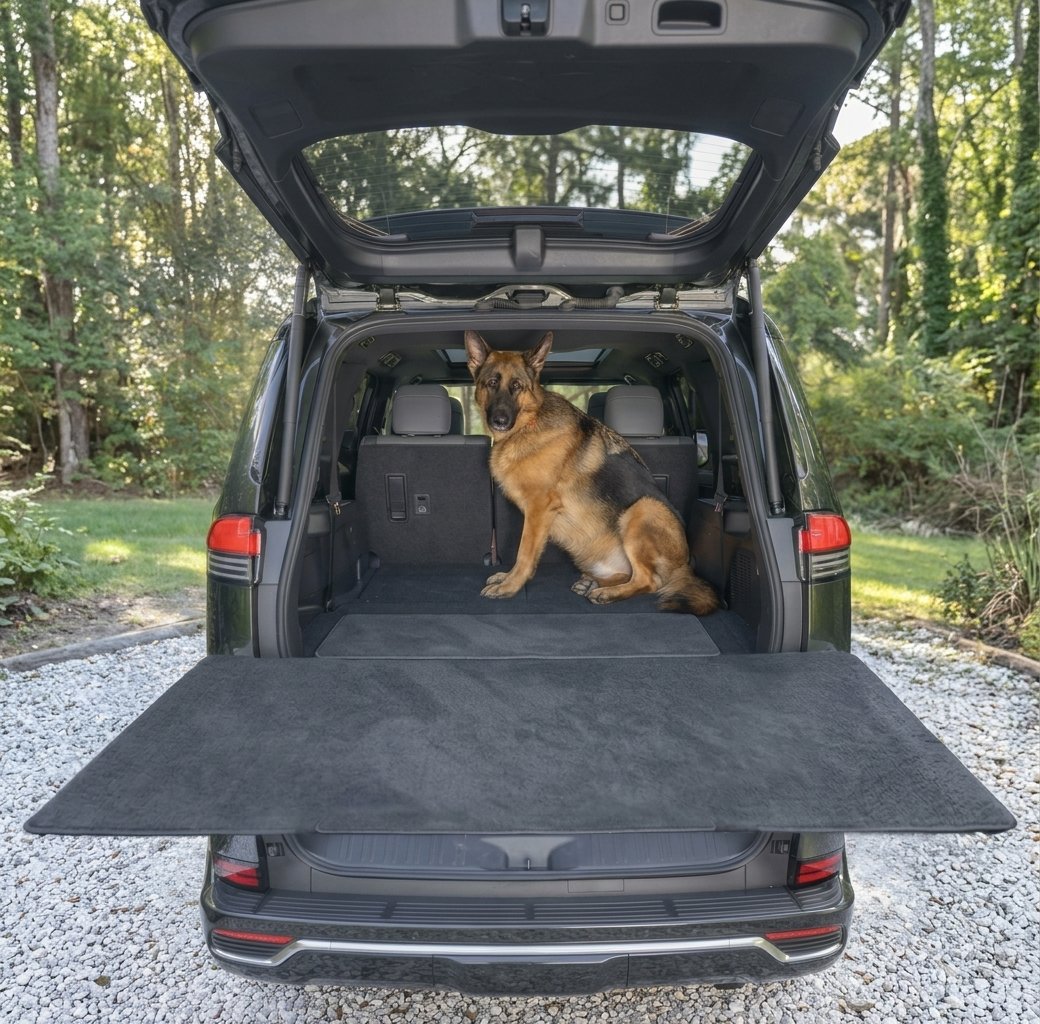
Taking a road trip with your large dog can be a lot of fun, whether you’re heading out for a weekend getaway, visiting family, or planning a longer vacation. But traveling with a big dog takes a little extra preparation. You’ll need enough room for your dog to ride comfortably, supplies to keep them cared for along the way, and a plan for stops, meals, and overnight stays.
Packing doesn’t have to be complicated. Once you know what your dog needs on the road, you can put together a travel kit that makes future trips much easier.
If you’re getting ready for your first road trip with a large dog, here’s what to pack and what to consider before pulling out of the driveway.
Food, Water, and Feeding Supplies
Keeping your dog fed and hydrated is one of the most important parts of road trip planning. Changes in routine, unfamiliar surroundings, and long stretches in the car can make it easy to forget the basics.
Pack enough of your dog’s regular food for the entire trip, plus a little extra in case of delays. Switching foods while traveling can upset your dog’s stomach, so it’s usually best to stick with their normal diet.
Your food and water checklist should include:
Regular dog food: Bring enough for every day of the trip, including extra portions for unexpected delays.
Portable food containers: Use sealed containers or travel bags to keep food fresh and prevent spills.
Collapsible food and water bowls: These save space and are easy to pack for stops.
Fresh drinking water: Bring water from home or plan ahead for safe drinking water along your route.
Measuring cup or scoop: This helps you keep meals consistent.
Treats: Pack familiar treats for rewards and settling into new surroundings.
Food storage bags: These are useful for portioning meals before you leave.
For longer drives, plan meal times around your travel schedule. Avoid feeding a large meal immediately before getting on the road, particularly if your dog is prone to motion sickness. Ask your veterinarian about feeding and travel timing if your dog has a history of nausea or other travel-related problems.
A Secure and Comfortable Travel Setup
A large dog needs enough room to settle comfortably, but comfort isn’t the only consideration. Your dog also needs to be safely restrained while the vehicle is moving.
An unrestrained dog can distract the driver and may be injured during sudden braking or a collision. Choose a travel setup that fits your vehicle and your dog’s size.
Consider packing:
A crash-tested dog travel harness or suitable travel crate: Choose a product designed for vehicle travel and appropriate for your dog’s size. Follow the manufacturer’s instructions for installation and use.
A familiar blanket or travel mat: A familiar scent can help your dog feel more settled.
A washable seat cover or cargo liner: This helps protect your vehicle from dirt, loose hair, and muddy paws.
A towel: Keep one handy for wet paws, spills, or unexpected messes.
A portable ramp, if needed: This can help large dogs get into and out of taller vehicles, especially if jumping is difficult for them.
Before the trip, let your dog get comfortable with the travel setup. Practice short drives and reward calm behavior. This gives you a chance to work out any problems before spending several hours on the road.
Never let your dog ride with their head outside an open window, and don’t allow them to roam freely around the vehicle. Also, never leave your dog unattended in a hot car.
Leash, Harness, Collar, and Identification
Rest stops, gas stations, parks, and unfamiliar destinations can be exciting for dogs. Even a normally well-behaved dog may become distracted by new smells, other animals, or unfamiliar people.
Having the right walking gear makes stops easier to manage, particularly when your dog is strong enough to pull you off balance.
Pack these essentials:
A sturdy everyday leash: Choose one you can hold comfortably and control securely.
A well-fitted walking harness or collar: Use equipment your dog already knows and tolerates.
Identification tags: Make sure your current phone number is easy to read.
A backup leash and collar: A spare can be helpful if something breaks or gets lost.
Waste bags: Bring more than you think you’ll need.
A recent photo of your dog: Keep a clear photo on your phone in case your dog gets lost.
A current microchip registration: Check that your contact information is up to date.
If your dog wears a harness for walking and a separate restraint for car travel, pack both. Walking equipment and vehicle restraints serve different purposes, so don’t assume one can safely replace the other.
For large dogs, it’s especially important to practice getting in and out of the car calmly. Have your dog wait until you’ve secured the leash before opening the door fully.
First-Aid and Health Supplies
You hope your trip goes smoothly, but it’s worth preparing for minor problems such as a scraped paw, a tick, or an upset stomach.
Pack a small dog first-aid kit with supplies appropriate for your dog. You can assemble one yourself or purchase a pet-specific kit.
Useful items include:
Gauze pads and nonstick dressings
Self-adhering veterinary bandage material
Tweezers or a tick-removal tool
Saline wound rinse
Disposable gloves
A digital thermometer intended for pet use, if you know how to use it safely
Your veterinarian’s contact information
The phone number and address of an emergency veterinary clinic near your destination
Bring any prescribed medications your dog needs, along with clear instructions for when and how to give them. Pack enough for the trip plus a small reserve.
It’s also a good idea to bring your dog’s vaccination records and any relevant medical information, particularly if you’ll be staying at pet-friendly accommodations, attending dog-friendly events, or crossing state lines.
Important: Don’t give your dog human medication or motion-sickness remedies unless your veterinarian has specifically advised you to do so. If your dog becomes seriously ill or injured during the trip, contact a veterinarian rather than relying on a first-aid kit alone.
Cleaning Supplies for Messes and Muddy Paws
Traveling with a large dog often means dealing with more hair, dirt, slobber, and muddy paw prints. A few simple cleaning supplies can make a big difference, especially if you’re sharing a small vehicle or staying in a hotel.
Pack:
Old towels or microfiber towels
Pet-safe wipes
A small brush or grooming mitt
Paper towels
Sealable bags for dirty items
A few spare blankets
An extra roll of waste bags
If your dog enjoys swimming or exploring trails, bring an extra towel and a way to keep wet gear separate from clean belongings.
Before entering a hotel room or vacation rental, wipe your dog’s paws and check for burrs, ticks, or other debris. This helps keep your dog’s sleeping area clean and can prevent small irritations from going unnoticed.
You don’t need to pack your entire grooming cabinet. Focus on the supplies you’ll realistically use while traveling.
Familiar Comfort Items and Entertainment
New places, strange noises, and changes in routine can make some dogs restless. Familiar items may help your dog settle down after a long drive.
Consider bringing:
Your dog’s regular bed or a portable dog mat
A favorite blanket
A familiar, safe chew toy
A few favorite toys
Treats for rewarding calm behavior
Choose toys and chews your dog already uses safely. Avoid giving your dog a new chew or toy in the car without first knowing how they handle it, especially if there’s a risk of choking or swallowing pieces.
If your dog tends to get anxious during travel, introduce their travel bed or blanket before departure. You can also build in quiet breaks so they have time to relax outside the vehicle.
Keep comfort items accessible rather than buried under luggage. After a long drive, having your dog’s familiar bed ready can make settling into an unfamiliar room much easier.
Supplies for Bathroom Breaks and Exercise
Large dogs often need space to stretch their legs, sniff around, and move after sitting in the car. Plan regular breaks rather than waiting until your dog becomes restless.
Your stop-and-stretch kit should include:
A leash and walking harness
Waste bags
Water and a portable bowl
A towel for wet or dirty paws
A small supply of treats
A reflective accessory if you expect to walk in low-light conditions
Look for safe places to stop where dogs are permitted. Keep your dog leashed unless you’re in a secure, designated off-leash area and local rules allow it.
Remember that a rest stop isn’t necessarily a good place for strenuous exercise. After several hours in the car, a relaxed walk and a chance to sniff may be more appropriate than vigorous running.
For large and giant breeds, be mindful of heat, humidity, and physical limitations. Adjust breaks to your dog’s age, fitness, and individual needs.
What to Do Before You Leave Home
Packing the right supplies is only part of preparing for a successful road trip. A little planning before departure can prevent unnecessary stops and reduce stress for both you and your dog.
Use this pre-trip checklist:
Take your dog on a few short practice drives if they’re not used to car travel.
Check that the vehicle restraint or crate is properly fitted and secured.
Confirm that your dog has current identification and updated microchip details.
Pack food, water, medications, and health records.
Identify dog-friendly rest stops and walking areas along your route.
Confirm pet policies at your hotel or rental.
Locate an emergency veterinary clinic near your destination.
Check the weather and plan for safe temperatures during travel and stops.
Make sure your dog has had a bathroom break before departure.
Secure luggage and supplies so they cannot move around the vehicle.
If your dog has never traveled far, start with a shorter trip before attempting a full day on the road. You’ll learn what helps your dog relax, how often they need breaks, and which supplies are genuinely useful.
Final Thoughts
A road trip with a large dog can be a great way to make memories together, but the right preparation makes the journey easier. Start with the essentials: your dog’s regular food, fresh water, secure travel equipment, a leash, identification, health supplies, and a few familiar comfort items.
Think about your dog’s individual needs, too. A young, energetic dog may need different supplies and breaks than a senior dog who needs help getting in and out of the vehicle. If your dog experiences motion sickness, anxiety, or difficulty settling down in the car, talk with your veterinarian before you leave.
You don’t have to pack everything your dog owns. Focus on what will keep them safe, comfortable, fed, hydrated, and ready for the next stop.
With a little planning and a well-organized travel bag, you can spend less time searching for supplies and more time enjoying the trip with your four-legged travel companion.
Trusted Resources
American Society for the Prevention of Cruelty to Animals. (n.d.). Travel safety tips. https://www.aspca.org/pet-care/general-pet-care/travel-safety-tips
American Veterinary Medical Association. (n.d.). Traveling with your dog or cat. https://avma.org/public/PetCare/Pages/Traveling-with-Your-Pet-FAQs.aspx
Centers for Disease Control and Prevention. (2026, April 15). Pet travel safety. https://www.cdc.gov/healthy-pets/travel/
U.S. Department of Agriculture, Animal and Plant Health Inspection Service. (2026, March 20). Pet travel: Domestic and international travel with a pet. https://www.aphis.usda.gov/pet-travel