Common Car Travel Mistakes Large Dog Owners Make (And How to Avoid Them)
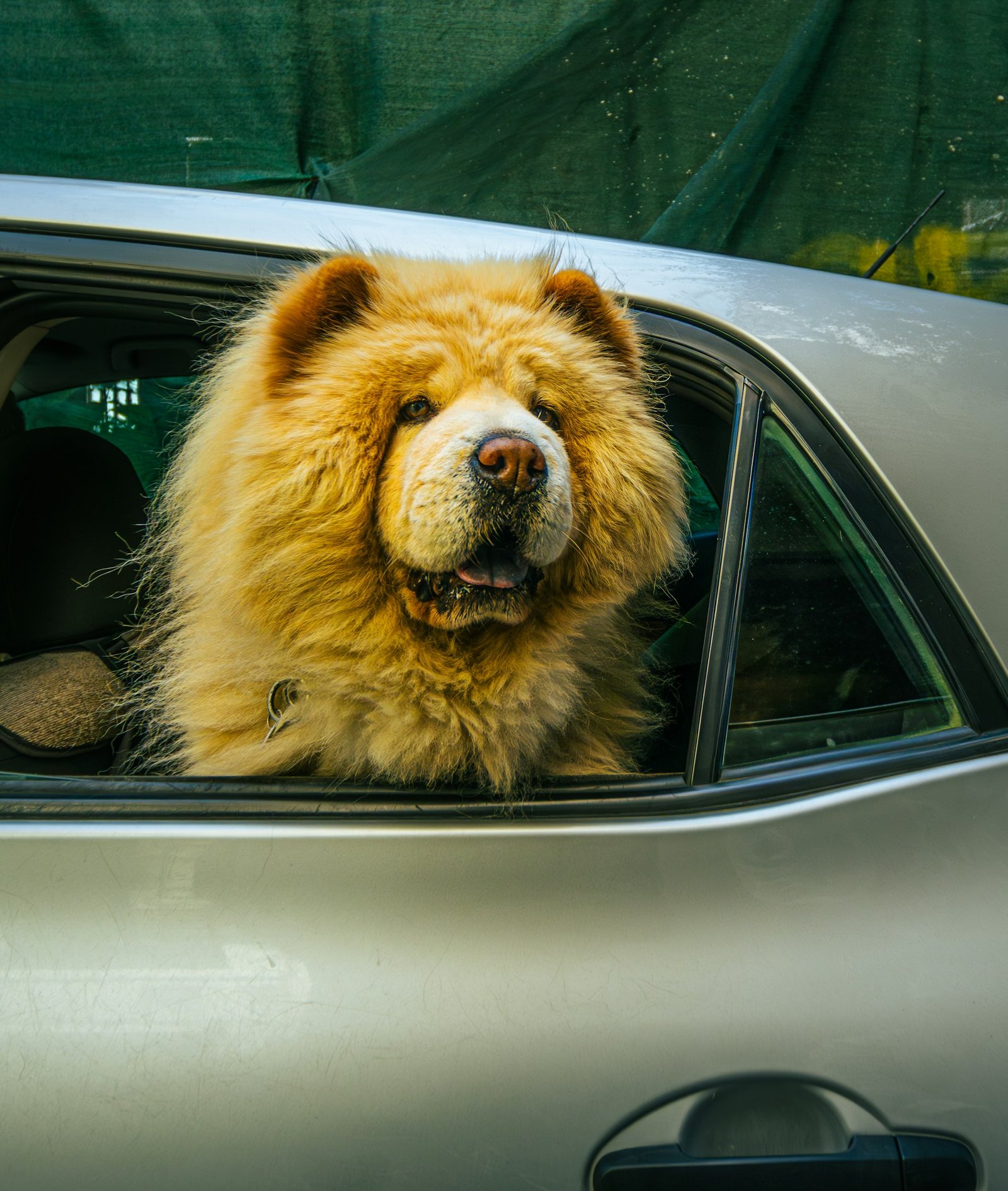
Traveling with your large dog can be one of life’s greatest adventures. Whether you’re heading to the park, visiting family, or taking a weekend road trip, bringing your best friend along makes every journey better.
Unfortunately, many owners unknowingly make mistakes that can put both their dog and everyone in the vehicle at risk. A dog weighing 70–120 pounds becomes an enormous force during sudden braking or a collision, making proper travel safety essential.
Here are the most common mistakes large dog owners make—and what you should do instead.
1. Letting Your Dog Ride Loose
This is by far the most common and dangerous mistake.
Many owners believe their dog is calm enough to sit quietly in the back seat. Even the best-trained dog can:
- Become distracted
- Jump between seats
- Block the driver’s view
- Become a dangerous projectile during an accident
In a crash at just 30 mph, a large dog can generate thousands of pounds of force.
Better Solution
Always secure your dog using:
- Crash-tested harness
- Dog seat belt attachment
- Large dog car seat (for dogs that fit safely)
- Travel crate for very large breeds
Proper restraint protects:
- Your dog
- The driver
- Other passengers
2. Allowing Your Dog to Ride in the Front Seat
Many dogs love riding shotgun,my dog loves it, but it’s one of the least safe places in the vehicle.
Front-seat airbags deploy with tremendous force. While they save human lives, they can seriously injure or even kill a dog during deployment.
Additional risks include:
- Driver distraction
- Blocking mirrors
- Sudden movement during braking
- Injury from dashboard impact
Better Solution
Your dog should always ride in the back seat using an approved restraint system.
For SUVs, a secured cargo area with a crash-tested crate may also be appropriate for giant breeds.
3. Letting Your Dog Stick Their Head Out the Window
We’ve all seen happy dogs enjoying the breeze.
While it looks adorable, it carries several hidden dangers.
Your dog may be struck by:
- Flying rocks
- Road debris
- Dust
- Insects
Dogs can also:
- Attempt to jump out
- Lose balance
- Injure their neck from sudden stops
Better Solution
Instead of fully lowering the window:
- Open it just a few inches
- Keep your dog securely restrained
- Use air conditioning when temperatures are high
Fresh air is great—but safety comes first.
4. Feeding Your Dog Right Before Travel
Large breeds are already more prone to digestive problems than smaller dogs.
Eating immediately before a car ride can contribute to:
- Motion sickness
- Vomiting
- Discomfort
- Excessive drooling
For deep-chested breeds, vigorous activity immediately after eating may also increase the risk of serious stomach problems.
Better Solution
Try to:
- Feed 2–3 hours before traveling
- Offer water before departure
- Bring water for breaks
- Pack treats instead of a full meal during short trips
If your dog experiences frequent motion sickness, speak with your veterinarian about possible treatments.
5. Underestimating Heat Inside the Vehicle
Even on mild days, parked vehicles heat up incredibly fast.
Cracking the windows does very little to reduce interior temperatures.
Large dogs are particularly vulnerable because they:
- Produce more body heat
- Cool themselves less efficiently
- Tire more quickly in warm weather
Signs of overheating include:
- Heavy panting
- Bright red gums
- Weakness
- Excessive drooling
- Vomiting
- Collapse
Better Solution
Never leave your dog unattended in a parked vehicle.
During summer travel:
- Run the air conditioning
- Bring plenty of water
- Schedule frequent breaks
- Travel during cooler parts of the day
- Watch carefully for signs of overheating
6. Skipping Rest Stops
Long drives can be uncomfortable for everyone including your dog.
Large breeds benefit from breaks every 2–3 hours to:
- Stretch
- Drink water
- Relieve themselves
- Reduce stiffness
- Relax before continuing the trip
Taking regular breaks also helps reduce stress and motion sickness.
Quick Safety Checklist Before Every Trip
Before hitting the road, make sure you:
– Secure your dog with a crash-tested restraint
– Keep them in the back seat
– Avoid fully open windows
– Feed several hours before departure
– Bring fresh water
– Never leave them in a hot vehicle
– Stop every few hours for exercise and bathroom breaks
These simple habits can make every trip safer and more enjoyable.
The Best Investment: Proper Travel Restraints
Many of these travel mistakes can be prevented with the right equipment.
Crash-tested harnesses and quality car travel systems help:
- Reduce driver distraction
- Protect your dog during sudden stops
- Improve comfort on longer trips
- Keep everyone safer in the event of a collision
Choosing equipment designed specifically for larger breeds provides added security and peace of mind.
Final Thoughts
Car rides should be fun, not risky. Avoiding a few common mistakes can dramatically improve your dog’s safety while making travel less stressful for everyone. Whether you’re running errands around town or planning a cross-country adventure, proper preparation goes a long way.
Never allow your large dog to ride unrestrained. A secure harness, seat belt, or appropriate travel system is one of the simplest ways to protect both your dog and your family.
Trusted Resources
American Animal Hospital Association. (2021). Traveling safely with your pet. https://www.aaha.org
American Veterinary Medical Association. (n.d.). Travel safety for pets. https://www.avma.org
Center for Pet Safety. (n.d.). Certified pet travel products. https://www.centerforpetsafety.org
U.S. Food & Drug Administration. (n.d.). Protecting pets from heat. https://www.fda.gov