Ectropion in Large Dogs: Causes, Symptoms, and What Owners Should Know
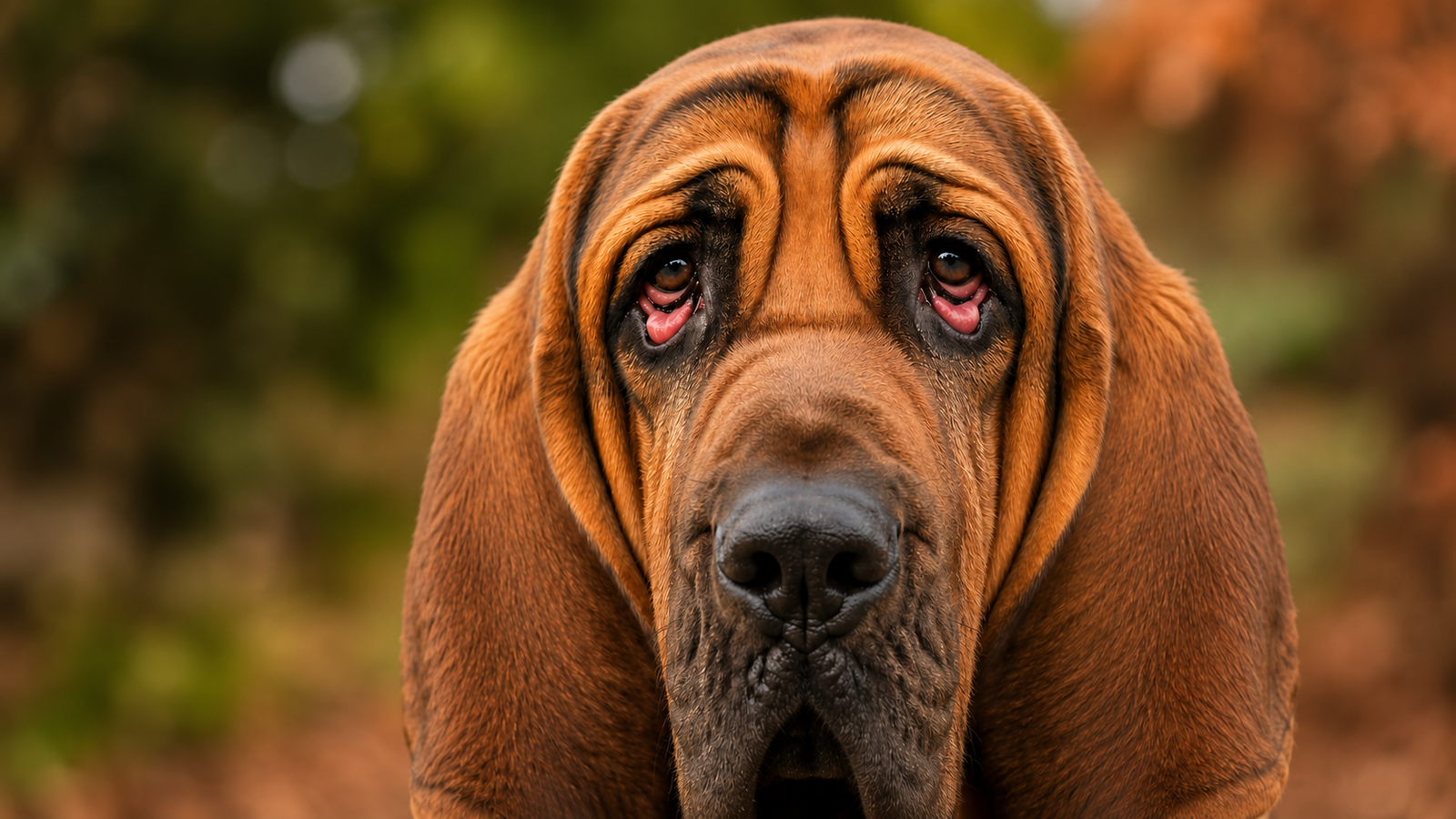
If you’ve ever looked at your big dog and noticed their lower eyelids drooping or sagging, you’re not alone. Many large breeds, such as Bloodhounds and St. Bernards naturally have that “sad-eyed” look, but sometimes, it can be more than just a sad-eyed appearance. It could be from a condition called ectropion.
Ectropion in large dogs is fairly common, especially in breeds with loose skin and heavy facial features. While mild cases may not cause major issues, more severe cases can lead to irritation, infections, and long-term eye problems if not properly managed.
What is Ectropion?
Ectropion is an abnormality of the eyelid where the lower eyelid rolls outward, exposing the conjunctiva and leaving the eye vulnerable to dryness, irritation, and infection. It is most often congenital, meaning dogs are born with it, and it is especially common in large breeds with loose facial skin.
Because the eyelid doesn’t sit flush against the eye, it prevents the eyelid from properly protecting and lubricating the eye, which can lead to dryness and irritation.
In many large breeds, this condition is actually considered a breed trait, but that doesn’t mean it should be ignored.
In many dogs, both eyes are affected.
Breeds Most Commonly Affected
Large and giant breeds with naturally droopy or loose eyelids are at higher risk. These include:
Saint Bernards
Bloodhounds
Newfoundlands
Great Danes
Chow Chows
Mastiffs
- Bernese Mountain Dog
In some breeds, mild ectropion is considered “normal,” but it can still lead to secondary issues if not monitored.
Types of Ectropion
1. Congenital Ectropion
This type is present at birth.
- It’s the most common form
- Often seen in large breeds
- May remain mild throughout life
2. Acquired Ectropion
This develops later in life due to other conditions.
Common conditions include:
- Hypothyroidism
- Facial nerve paralysis
- Injury or scarring
- Chronic inflammation or aging
Older dogs may develop worsening ectropion as they lose muscle tone around the eyelids.
Signs and Symptoms
Common signs include:
Droopy lower eyelids
Watery or thick mucoid discharge
Redness or swelling of the eye
Excessive blinking or squinting
Rubbing or pawing at the eye
Tear staining
Dark pigmentation on the cornea (from chronic irritation)
If this condition is left untreated, ectropion can lead to conjunctivitis, corneal ulcers, chronic irritation, and dry eye.
Diagnosis
Veterinarians usually diagnose ectropion through a physical exam. They may also use:
Fluorescein staining to check for corneal ulcers
Bloodwork if an underlying condition (like hypothyroidism) is suspected
Treatment Options
Mild Cases
- Often require no treatment
- Lubricating eye drops may be recommended
Moderate Cases
- Ointments or medications to prevent infection
- Regular eye cleaning
Severe Cases
- Surgical correction (blepharoplasty) to tighten the eyelid
Surgery is usually only recommended if your dog experiences discomfort or repeated infections.
Care for Dogs with Ectropion
If your large dog has ectropion, daily care can make a big difference.
- Keep the eye area clean and dry
- Monitor for redness or discharge
- Use vet-recommended lubricants if needed
- Schedule regular vet checkups
Many dogs live long, healthy lives with ectropion when it’s properly managed.
When to see a Veterinarian
Contact your veterinarian if you notice:
- Sudden drooping of the eyelid
- Yellow or green discharge
- Excessive squinting or pain
- Cloudiness in the eye
Early intervention can prevent more serious complications in the future.
Final Thoughts
Ectropion is one of those conditions that big‑dog owners should keep on their radar—not because it’s always serious, but because it can quietly chip away at your dog’s comfort if it goes unnoticed. Many large breeds live perfectly happy lives with mild eyelid drooping, but staying proactive makes all the difference. Regular eye checks, quick attention to redness or discharge, and open communication with your veterinarian help prevent small irritations from turning into long‑term problems.
If your dog’s eyes seem a little “droopier than usual,” trust your instincts and get them looked at. Early care protects their vision, reduces discomfort, and keeps those big, expressive eyes healthy for years to come.
Trusted Sources
- American Kennel Club. Ectropion in dogs: Signs, symptoms, treatments. Retrieved from https://www.akc.org
- Koehler, R. (2025). Ectropion in dogs: What breeds are at risk, and what are the signs? PetMD. Retrieved from https://www.petmd.com
- Vetlexicon. Ectropion in dogs. Retrieved from https://www.vetlexicon.com
- PetMD. Dog breeds that suffer from eyelid problems. Retrieved from https://www.petmd.com
Disclaimer
This article is for informational purposes only and is not a substitute for professional veterinary advice. I am not a veterinarian or medical professional. Information is based on reputable veterinary sources and should always be discussed with your vet for your dog’s specific needs.