Feeding Your Senior Large Dog: Nutrition Tips for Healthy Aging
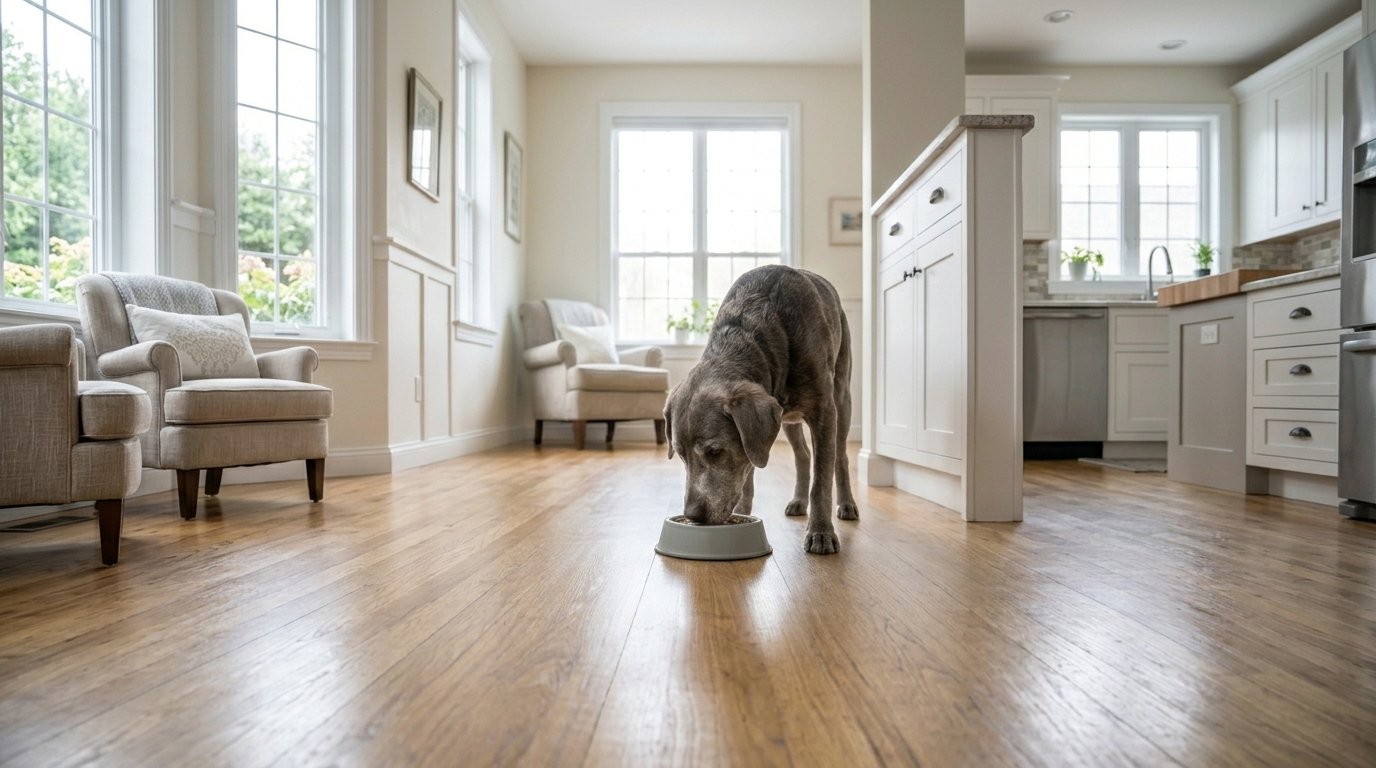
As your large dog gets older, you may notice changes in their appetite, activity level, weight, and digestion. The food that worked well when your dog was younger might need a second look as their needs change.
Feeding a senior large dog isn’t just about switching to a bag labeled “senior.” It’s about finding the right balance of calories, protein, nutrients, and portion sizes for your individual dog.
Large dogs can also face challenges as they age, including changes in mobility and difficulty maintaining a healthy weight. The right feeding routine can help you manage these changes while keeping your dog comfortable and well-nourished.
Here’s what to consider when feeding your senior large dog and how to recognize when it might be time to make a change.
When Is a Large Dog Considered a Senior?
Large and giant breed dogs often reach their senior years earlier than smaller breeds, although the timing varies by breed and individual dog.
Some large dogs begin showing age-related changes around 6 or 7 years old, while giant breeds may enter their senior years earlier. Rather than relying on age alone, pay attention to changes in your dog’s weight, energy, appetite, and overall condition.
As your dog becomes less active, they may need fewer calories than they did in their younger years. However, not every senior dog needs less food. Some older dogs lose weight or have difficulty maintaining muscle, making their individual nutritional needs especially important.
The goal is to adjust your dog’s diet to their changing needs, not simply to their age.
Choose Food That Meets Your Senior Dog's Nutritional Needs
Walk down the pet food aisle and you’ll find plenty of formulas marketed for senior dogs. These foods can be useful, but the word “senior” on the package doesn’t automatically mean a food is the right choice for your dog.
Look for a complete and balanced dog food appropriate for adult maintenance, and consider whether the formula suits your dog’s activity level, body condition, and health needs.
When comparing foods, consider the following:
Nutritional balance: The food should provide the essential nutrients your dog needs in appropriate amounts.
Protein: Adequate protein helps maintain muscle mass as your dog ages.
Calories: Your dog’s daily calorie needs depend on their size, activity, metabolism, and body condition.
Digestibility: A food your dog tolerates well, with normal stools and a healthy appetite, is a good starting point.
It’s also worth knowing that there are no separate AAFCO nutrient profiles specifically for senior dogs. Senior formulas can differ considerably, so don’t choose a food based on its label alone.
If your dog is doing well on their current food, you may not need to change it simply because they have reached a certain age. Ask your veterinarian whether a different formula would offer any benefit.
Keep Your Senior Large Dog at a Healthy Weight
Weight management becomes especially important as large dogs get older.
A dog that once enjoyed long walks, running, and active play may now spend more time resting. If their food portions stay the same while their activity decreases, extra weight can gradually accumulate.
Carrying excess weight can make movement more difficult and place additional stress on already aging joints.
On the other hand, an older dog that becomes too thin may not be getting enough calories or could have an underlying health problem.
How to Monitor Your Dog's Weight
Get into the habit of checking your dog’s body condition rather than relying on the number on the scale alone.
You should generally be able to feel your dog’s ribs without pressing through a thick layer of fat.
Your dog should have a visible waist when viewed from above.
Their abdomen should usually tuck upward behind the rib cage when viewed from the side.
A thick coat or naturally broad body shape can make these features harder to judge, so ask your veterinarian to assess your dog’s body condition if you’re unsure.
If your dog is gaining weight, review their meal portions, treats, and activity level. If they are losing weight without an obvious explanation, don’t automatically increase their food. Unexplained weight loss in an older dog deserves veterinary attention.
For more on keeping an aging dog comfortable, see Senior Large Dogs: Keeping Your Dog Comfortable as They Age.
Don't Overlook Protein as Your Dog Ages
One common concern among senior dog owners is whether older dogs should eat less protein. The answer isn’t as simple as reducing protein because a dog is getting older.
Maintaining muscle becomes increasingly important as dogs age. Adequate dietary protein helps support that muscle, particularly when an older dog is less active than they used to be. Rather than automatically choosing a low-protein food, look for a diet that provides appropriate protein and overall nutrition for your dog’s needs.
There is one important exception: dogs with certain health conditions may need a specially adjusted diet. Kidney disease, for example, can require individualized nutritional management.
If your dog has a diagnosed medical condition, talk with your veterinarian before changing their protein intake or selecting a therapeutic diet.
Pay Attention to Fat, Fiber, and Digestion
Protein isn’t the only part of your senior dog’s diet worth considering. Fat, fiber, and overall calorie content also matter.
Fat and calories
Fat provides energy and essential fatty acids, but it is calorie-dense. A less active dog may need a diet with fewer calories to maintain a healthy weight.
However, cutting fat too aggressively or choosing a very low-calorie food without considering your dog’s overall needs can leave some dogs short of the energy they require.
Choose a food based on your dog’s body condition and activity level rather than assuming all senior dogs need the same formula.
Fiber and digestive health
Some older dogs experience changes in bowel habits or may not tolerate certain foods as well as they once did. Dietary fiber can help support normal bowel function, but the appropriate amount depends on the individual dog and the reason for the digestive problem.
If your dog develops persistent diarrhea, constipation, vomiting, or a noticeable change in appetite, speak with your veterinarian instead of repeatedly switching foods.
A sudden change in diet can sometimes make digestive upset worse.
Should You Feed Your Senior Dog Wet Food or Dry Food?
There isn’t one correct answer. Both wet and dry foods can provide complete and balanced nutrition, and the best option depends on your dog’s preferences and needs.
Dry food is convenient to store, easy to portion, and often more economical for large dogs that eat substantial amounts each day.
Wet food contains more moisture and may be easier for some dogs to eat, especially if they have difficulty chewing hard kibble.
You can also combine wet and dry food, provided you account for the calories from both so your dog doesn’t accidentally receive too much food.
What if your dog has trouble eating kibble?
If your senior dog begins chewing slowly, dropping food, avoiding hard pieces, or leaving meals unfinished, don’t assume it’s simply a normal part of aging. Dental disease and mouth pain can make eating uncomfortable. A veterinary examination can help identify the cause.
Depending on the problem, your veterinarian may recommend a softer food, a different texture, or treatment for an underlying dental issue.
You may also find that raising a food bowl or changing its position makes mealtime more convenient for your dog. However, ask your veterinarian before making feeding-position changes if your dog has swallowing difficulties or a condition that affects digestion.
Adjust Meal Portions and Feeding Times
Large dogs can eat substantial portions, which makes it easy to underestimate how many calories they consume throughout the day.
Start with the feeding directions on your dog’s food label, but remember that these are general guidelines. Your dog’s actual needs may be higher or lower.
For many senior dogs, feeding two measured meals per day works well. Some dogs may do better with smaller, more frequent meals, depending on their appetite, medical needs, and routine. For my older American Bully, I switched his feeding from once a day to twice a day. He tolerated his food much better.
Here are a few practical ways to manage portions:
-
Measure food with a consistent measuring cup or, for greater precision, a kitchen scale.
-
Keep meal times reasonably consistent.
-
Include treats, dental chews, and food used for medication in your dog’s daily intake.
-
Reassess portions if your dog’s weight or activity level changes.
-
Check with your veterinarian before making a substantial calorie reduction.
Treats are fine in moderation, but they can add up quickly when your dog receives several throughout the day. If your dog is gaining weight, cutting out those extra treats may be a better first step than immediately changing their regular food.
What About Joint Supplements and Special Diets?
Joint comfort is a common concern for owners of aging large dogs. You may wonder whether changing food or adding a supplement could help your dog move more comfortably.
Nutrition is one part of caring for an older dog, but food and supplements shouldn’t be treated as a substitute for veterinary assessment when mobility changes occur.
Some foods contain omega-3 fatty acids or other ingredients intended to support general health. Joint supplements are also available, but their ingredients, evidence, and suitability vary.
Before adding a supplement, check with your veterinarian, particularly if your dog takes medication or has an underlying health condition.
It’s also important to distinguish between a general senior diet and a therapeutic diet. Dogs with certain medical conditions may need carefully selected foods that address specific nutritional requirements.
If joint health is a concern, you may also want to read more about joint supplements for big dogs, along with my article on the best diet for large dogs.
Know When Changes in Appetite Need Attention
An older dog may occasionally eat less because of a change in routine, food preference, or activity. However, a persistent change in appetite shouldn’t automatically be blamed on age.
Contact your veterinarian if you notice:
Unexplained weight loss or weight gain.
A sudden increase or decrease in appetite.
Increased thirst or urination.
Repeated vomiting or persistent diarrhea.
Difficulty chewing or swallowing.
A sudden change in eating habits or energy levels.
These changes can have several causes, and a veterinary examination can help determine whether your dog’s diet needs adjusting or whether another problem needs attention.
Routine checkups are particularly useful for senior dogs because weight, muscle condition, and health needs can change gradually.
Final Thoughts
Feeding your senior large dog doesn’t have to mean replacing their food with an expensive senior formula or adding several supplements to their meals.
Start with the basics: provide a complete and balanced diet, measure portions, monitor body condition, and pay attention to changes in appetite, digestion, and activity.
Some older dogs need fewer calories as they slow down. Others need help maintaining their weight and muscle. The right feeding plan depends on your dog’s individual needs, not simply the number of candles on their birthday cake.
When you’re unsure whether to change foods, adjust protein, or add a supplement, your veterinarian can help you make an informed decision.
A thoughtful feeding routine is one practical way to support your dog’s changing needs and help them enjoy their senior years as comfortably as possible.
Trusted Resources
1. Association of American Feed Control Officials. (n.d.). Selecting the right pet food. https://aafco.org/consumers/understanding-pet-food/selecting-the-right-pet-food.
2. Association of American Feed Control Officials. (n.d.). Reading labels. https://aafco.org/consumers/understanding-pet-food/reading-labels/.
3. U.S. Food and Drug Administration. (n.d.). “Complete and balanced” pet food. https://www.fda.gov/animal-veterinary/animal-health-literacy/complete-and-balanced-pet-food.
4. American Kennel Club. (n.d.). Choosing the right dog food for your senior dog. https://www.akc.org/expert-advice/nutrition/nutritional-needs-for-senior-dogs/.