Hip Dysplasia in Large Dogs: Symptoms, Causes, Treatment & Prevention
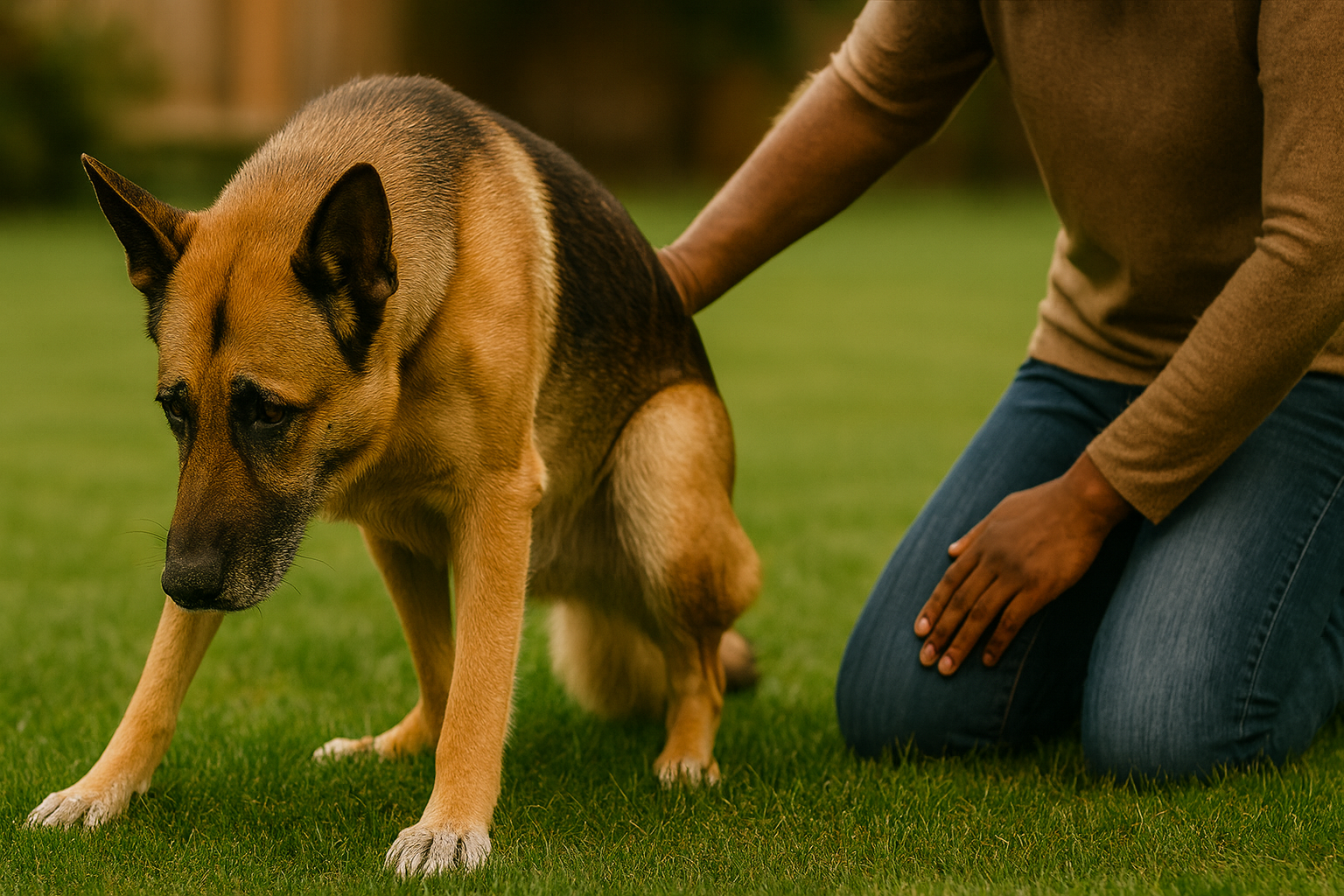
Hip dysplasia in large dogs is one of the most common hip joint problems affecting big breeds today. If you have a large or giant breed dog, this is a condition you need to know more about. Big dogs grow fast, especially during puppyhood, and that rapid growth can put extra stress on developing joints. Because of their size and weight, large breed puppies are more vulnerable to structural joint issues that may not show obvious symptoms right away.
Hip dysplasia develops during the growth stage when the ball and socket of the hip joint don’t fit together properly. In the beginning, your dog may seem completely fine; no limping, no clear signs of pain. But over time, the loose joint causes friction, cartilage begins to wear down, and arthritis in big dogs can develop.
The good news is that early awareness, proper nutrition, and maintaining a healthy weight can make a real difference in protecting your dog’s hips and long-term mobility.
What Is Hip Dysplasia?
Hip dysplasia is a developmental condition that occurs during a dog’s growth stage. It happens when the hip joint does not form properly, meaning the “ball and socket” of the joint do not fit together as they should.
In a healthy hip, the femoral head (ball) fits snugly into the hip socket. In dogs with hip dysplasia, the joint is loose or malformed. Over time, this instability leads to wear and tear. As the condition progresses, the cartilage begins to break down, causing inflammation, arthritis, and pain.
In the early stages, hip dysplasia may or may not be painful. However, as cartilage deteriorates and arthritis develops, discomfort often increases.
The Breeds Most Affected
Hip dysplasia primarily affects large and stocky breeds, although any dog can develop it. Breeds at higher risk include:
German Shepherd
Golden Retriever
Labrador Retriever
American Pit Bull Terrier
Bloodhound
Saint Bernard
Rottweiler
Mastiff
Large, fast-growing puppies are particularly vulnerable, especially if they gain weight too quickly.
What Cause Hip Dysplasia?
Hip dysplasia is not caused by one single factor. Instead, it develops from a combination of genetics and environmental influences, especially during a dog’s growth stage.
Understanding this is important because while you can’t change your dog’s genetics, you can control many environmental factors that affect how the condition develops.
Genetics (Heredity)
Genetics play a major role in hip dysplasia. If a dog’s parents have hip dysplasia or poor hip scores (degree of hip dysplasia), the risk of developing the condition increases significantly.
This is why responsible breeders screen breeding dogs for hip health. However, even puppies from health-tested lines can still develop hip dysplasia if environmental factors contribute during growth.
Environmental Risk Factors
Environmental factors often determine how mild or severe hip dysplasia becomes. These influences are especially important in large and giant breed puppies.
Rapid Growth in Large Breed Puppies
Large breed puppies grow quickly during their first 12–18 months. When growth happens too fast, bones, muscles, and ligaments may not develop in proper balance. This imbalance can lead to looseness in the hip joint, which is the foundation of hip dysplasia.
Overfeeding, high-calorie diets, and feeding food not formulated for large breed puppies can all contribute to excessive growth. Feeding a diet specifically designed for large breed puppies helps regulate growth and support proper joint development.
Excess Body Weight
Carrying extra weight puts additional stress on developing and adult hip joints. In puppies, this can worsen joint instability. In adults, excess weight accelerates cartilage breakdown and increases the risk of arthritis in big dogs.
Over-Exercising During Growth
Exercise is important for muscle development, but too much high-impact activity during puppyhood can strain developing joints.
Repeated jumping, long-distance running, excessive stair climbing, and constant play on hard surfaces can increase stress on the hips. Controlled, moderate exercise helps strengthen muscles without overstressing the joint.
Slippery Flooring
Hardwood, tile, or laminate floors can cause puppies to slip and slide. Repeated loss of traction can strain the hip joint and contribute to instability over time.
Adding rugs or non-slip mats can provide better support and reduce unnecessary joint stress.
Improper Calcium or Supplement Use
While strong bones are important, adding calcium supplements in large breed puppies can interfere with a pup’s normal skeletal development. Adding supplements without veterinary guidance may actually increase the risk of joint problems.
Signs and Symptoms
Symptoms can vary depending on your dog’s age and severity of symptoms. Look out for:
Bunny-hopping gait
Difficulty standing up
Reluctance to jump or climb stairs
Decreased activity
Swaying back end when a dog stands
Noticeable pain when hips are touched
Some puppies show signs as early as 4–6 months old, while others may not show symptoms until adulthood when arthritis develops.
Early Diagnosis Does Matter
Early diagnosis can prevent or significantly decrease long-term joint damage. As soon as you see your pet having any symptoms, take them to the vet. Don’t wait to see if the issue gets better.
Veterinarians usually diagnose hip dysplasia through:
Physical examination
Hip manipulation tests
X-rays
Catching the condition early allows for intervention before severe arthritis develops.
Treatment Options
Treatment depends on your dog’s age, severity, and overall health.
1. Surgical Options
For severe cases, surgery may be recommended. Procedures can improve joint function or replace the joint entirely.
2. Injectable Therapy
Certain injectable medications can help protect cartilage and reduce inflammation.
3. Physical Therapy
Rehabilitation therapy can strengthen muscles around the hip joint, improve mobility, and reduce pain. This may include:
Controlled exercise
Hydrotherapy
Targeted strengthening exercises
4. Pain Management
Anti-inflammatory medications and veterinary-guided pain management plans can improve quality of life.
How to Reduce the Risk
While genetics can’t be changed, you can reduce risk and slow progression.
Maintain a Healthy Weight
Keeping your dog within their weight class is one of the most important preventive measures. Extra pounds mean extra stress on the hips.
Feed Large Breed Puppy Formula
Feed puppies a diet specifically formulated for large breed puppies until they are 12–18 months old. These formulas are designed to support controlled growth and proper joint development.
Avoid Over-Exercising Young Puppies
Limit repetitive high-impact activities, like excessive jumping while joints are still developing.
Talk to Your Vet About Joint Supplements
Ask your veterinarian about starting joint supplements containing ingredients like glucosamine and chondroitin, especially for high-risk breeds.
Living With a Dog That Has Hip Dysplasia
Many large dogs live long, happy lives with hip dysplasia when it’s properly managed. Supportive bedding, non-slip flooring, ramps instead of stairs, and maintaining muscle strength can dramatically improve comfort.
The key is early awareness, responsible feeding during growth, and proactive veterinary care.
Final Thoughts
Hip dysplasia is common in large dogs, but it doesn’t have to define your dog’s life. With early diagnosis, proper nutrition, weight management, and the right treatment plan, you can significantly reduce pain and protect your dog’s mobility for years to come.
If you own a large or giant breed, being proactive today can make all the difference tomorrow.
Trusted Sources on Hip Dysplasia
- The American Kennel Club
https://www.akc.org/expert-advice/health/hip-dysplasia-in-dogs/
2. Cornell University College of Veterinary Medicine
3. Animal Medical Center
https://www.animalmedicalcenterav.com/the-blog/helpful-exercises-for-dogs-with-hip-dysplasia
Disclaimer
I am not a veterinarian or medical professional. The information provided in this article is for educational and informational purposes only. It is based on research from reputable veterinary websites, veterinary hospitals, and trusted animal health resources.
This content is not intended to diagnose, treat, cure, or prevent any medical condition. Always consult your licensed veterinarian for proper diagnosis, medical advice, and treatment options specific to your dog.
If you suspect your dog may have hip dysplasia or is showing signs of pain or mobility issues, seek professional veterinary care as soon as possible.