How to Socialize a Large Breed Puppy: Raising a Confident and Well-Behaved Big Dog
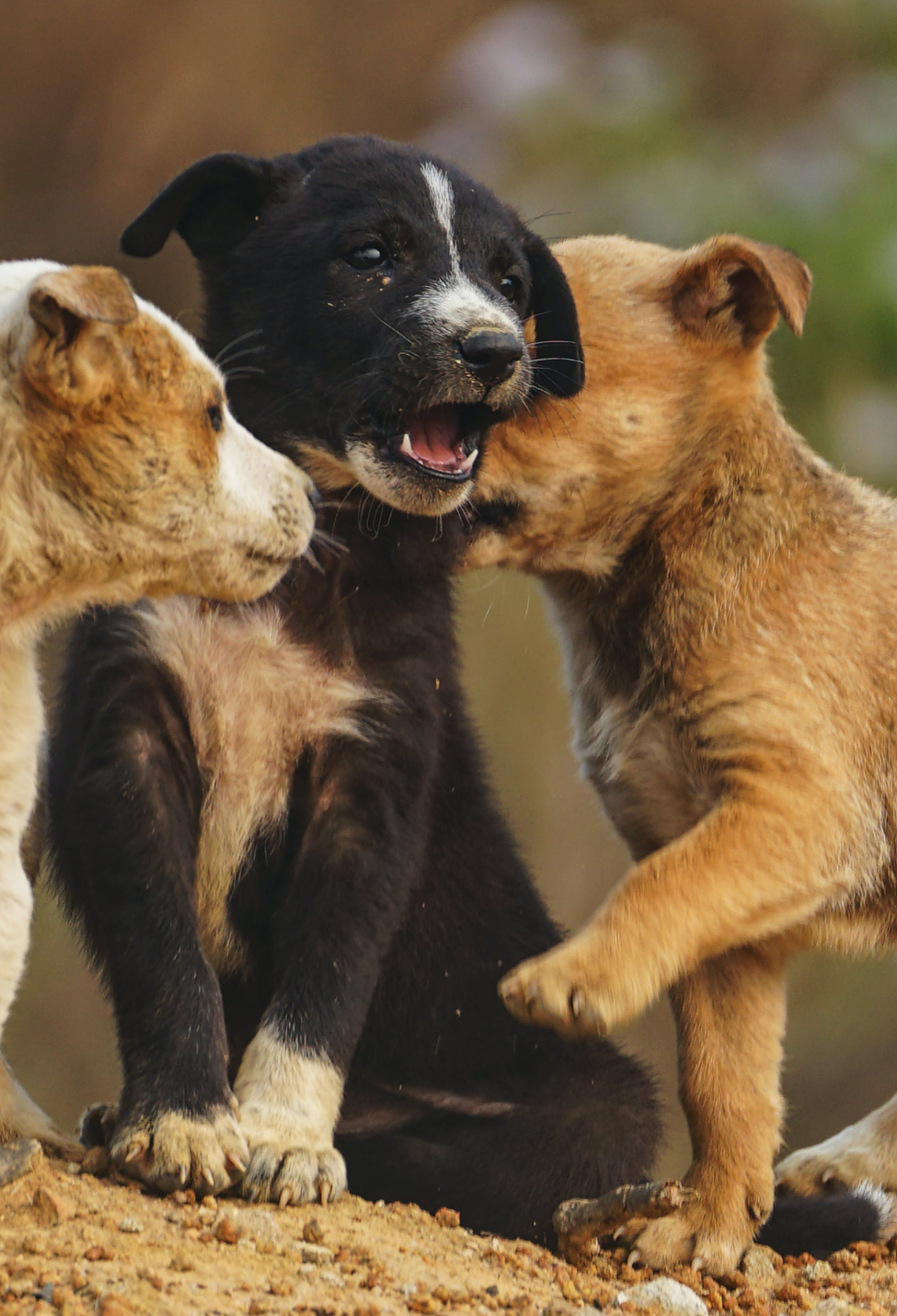
Bringing home a large breed puppy is exciting. Those oversized paws, floppy ears, and clumsy movements are adorable, However, that tiny puppy may grow into a dog weighing 80, 100, or even 150 pounds.
That is why socialization is especially important for large breed puppies.
A small dog that becomes nervous around strangers may be easier for an owner to physically manage. A fearful, overly excited, or reactive 100-pound dog can be much more difficult to control. Teaching your puppy how to calmly experience the world while they are young can help you raise a confident, manageable adult dog.
Socialization is not about making your puppy interact with every person or dog they meet. Instead, it is about helping them learn that new people, animals, places, sounds, and experiences are normal parts of life and not be afraid or too aggressive.
Why Socialization Is So Important for Large Breed Puppies
Large dogs can accidentally knock someone over simply because they are excited. They can also be intimidating to people who are unfamiliar with them. If a large dog is fearful or reactive, their size and strength can make those behaviors more difficult to manage.
Proper socialization can help your puppy learn how to:
Remain calm around unfamiliar people
Be comfortable around other dogs
Experience new environments without becoming overwhelmed
Handle unfamiliar sounds and objects
Accept gentle handling
Feel more comfortable during grooming and veterinary visits
Walk calmly in public
Recover more easily from surprising experiences
The goal is not to create a puppy who loves everyone and everything. Some dogs are naturally more reserved than others, and that is perfectly okay. The goal is to help your puppy feel safe and confident enough to experience the world without unnecessary fear or panic.
When To Start Socialization
One of the most important things to understand about puppy socialization is that you don’t need to wait until your puppy is fully vaccinated to begin.
The first three months of a puppy’s life are considered an especially important period for social development. The American Veterinary Society of Animal Behavior (AVSAB) recommends taking advantage of this early window by safely exposing puppies to different people, animals, environments, sounds, and experiences before they are fully vaccinated.
That doesn’t mean taking an unvaccinated puppy to a crowded dog park. It means finding low-risk ways to introduce your puppy to the world while following your veterinarian’s recommendations for disease prevention.
When Should You Start?
Socialization actually begins before a puppy comes home. Responsible breeders can introduce young puppies to appropriate handling, people, sounds, surfaces, and other experiences during their early development. By around three weeks of age, puppies are entering an important period of social development.
Once your puppy comes home, usually around eight weeks of age, socialization should already be part of their routine.
The most important window is generally considered to be the first three months, although some veterinary resources describe the critical period more broadly as approximately 3–14 weeks.
What Can You Do Before Your Puppy Is Fully Vaccinated?
You can still give your puppy plenty of safe experiences such as:
Inviting healthy, trusted people to your home
Allowing your puppy to experience different household sounds
Introducing different surfaces and textures, such as carpeted or tiled floors.
Taking your puppy for short car rides
Carrying your puppy outside to observe people and the environment
Allowing your puppy to watch people and dogs from a safe distance
Introducing your puppy to healthy, vaccinated dogs you know
Practicing gentle handling of paws, ears, mouth, and body
You don’t have to physically put your puppy on the ground everywhere you go. Carrying a young puppy or allowing them to observe the world from a safe, clean location can provide valuable exposure without unnecessary contact with potentially contaminated areas. It also helps with bonding with your puppy.
What Should You Avoid?
Until your puppy has adequate protection from infectious diseases, be cautious about places where many unknown dogs gather.
That can include:
Dog parks
Areas heavily used by unknown dogs
Unsanitized communal dog areas
Contact with sick animals
Unknown dogs with an uncertain vaccination history
Your veterinarian can help you determine which situations are appropriate for your puppy based on their vaccination schedule, local disease risks, and overall health.
Socialization Doesn’t Stop at 12 Weeks
The first few months are particularly important, but socialization shouldn’t suddenly stop once your puppy reaches 12 or 14 weeks.
Continue introducing your growing dog to new people, places, sounds, surfaces, animals, and situations throughout puppyhood and adolescence.
This is especially important with large breed dogs because they may go through a long period of physical and behavioral development. The puppy who calmly accepts a new experience at eight weeks still needs opportunities to practice those skills as they grow.
Think of socialization as an ongoing process rather than something you check off a list.
Introduce Your Puppy to Different Types of People
Your puppy will eventually encounter all kinds of people, so it can be helpful to introduce them to a variety of individuals.
This may include people of different:
Ages
Voices
Appearances
Mobility levels
For example, your puppy may eventually encounter someone wearing a large hat, carrying an umbrella, pushing a stroller, riding a bicycle, or using a wheelchair. These things may seem ordinary to us, but puppies have never seen most of them before.
Allow your puppy to observe unfamiliar people from a comfortable distance. If your puppy appears relaxed and curious, you can gradually move closer.
Everyone does not need to pet your puppy. In fact, teaching a large breed puppy that they do not have to greet everyone can be extremely valuable. You may eventually have a 100-pound dog, and you probably do not want them pulling toward every stranger they see.
Reward your puppy for calmly watching people and choosing to remain focused on you.
Help Your Puppy Have Positive Experiences With Other Dogs
Meeting other dogs is an important part of socialization, but more dog interactions are not always better. Your puppy does not need to play with every dog they meet. The most important thing is helping your puppy have positive experiences with well-behaved dogs.
Look for dogs that are:
Friendly
Comfortable around puppies
Not too rough
Properly supervised
A calm adult dog can be an excellent role model for a large breed puppy.
Avoid forcing your puppy to interact with dogs that make them uncomfortable. Also pay attention to your puppy’s own behavior. Large breed puppies can become physically powerful surprisingly quickly, and an enthusiastic puppy may unintentionally overwhelm a smaller or more reserved dog.
Do Not Assume Dog Parks Are Necessary
Many owners think taking their puppy to a dog park is an important part of socialization. However, dog parks are not necessary for raising a well-socialized dog.
Dog parks can be unpredictable. You may not know the other dogs, their training history, or how they respond to puppies. For a young large breed puppy, one frightening interaction can be more memorable than several positive ones.
Instead of relying on dog parks, consider controlled opportunities like:
Puppy training classes
Playdates with dogs you know
Watching dogs from a comfortable distance
Supervised interactions with calm adult dogs
Your puppy can learn plenty about being around other dogs without being placed in the middle of a large, unpredictable group.
Introduce New Environments Gradually
The world is full of unfamiliar places, and each environment can provide a new learning opportunity.
Consider introducing your puppy to places such as:
Quiet neighborhoods
Parks
Pet-friendly stores
Outdoor shopping areas
Friends’ homes
Different walking trails
Areas with traffic
Veterinary clinics
Start with quieter environments first. Instead of taking your puppy to a busy outdoor festival, start by visiting a quiet park. Allow them to sniff, explore, and observe. As their confidence grows, you can gradually introduce more challenging environments.
Watch your puppy’s body language throughout the experience. A puppy who is relaxed may sniff the ground, explore, and willingly take treats. A puppy who is overwhelmed or afraid may freeze, repeatedly try to move away, tuck their tail, or refuse food. If your puppy appears uncomfortable, immediately remove them from the situation.
Let Your Puppy Experience Everyday Sounds
Large dogs will eventually encounter all kinds of sounds, including many that may initially seem strange.
Gradually introduce your puppy to sounds such as:
Traffic
Vacuum cleaners
Doorbells
Thunder
Lawn equipment
Children playing
Household appliances
Construction sounds
Cars and trucks
You can also use recordings of certain sounds at a very low volume. Do not play loud noises near your puppy to “get them used to it.” That can frighten them.
Instead, begin with a low intensity and pair the experience with something positive, such as treats or play. If your puppy becomes frightened, reduce the intensity or create more distance.
Teach Your Large Breed Puppy to Be Comfortable With Handling
This is one area that is especially important for dogs that will eventually become large and strong show dogs. Your puppy should gradually become comfortable with gentle handling of different parts of their body such as:
Paws
Ears
Legs
Tail
Mouth
Collar
Shoulders and body
Keep these sessions short and positive by offering treats and praise while gently handling your puppy. Do not hold them down or force them to tolerate uncomfortable handling.
The goal is to teach your puppy that being touched is not something to fear and will make future grooming, nail trimming, veterinary examinations, and everyday care much easier.
Imagine trying to trim the nails of a frightened 120-pound dog. Starting these positive experiences when your dog is small can make a big difference later.
Practice Calm Greetings
Large breed puppies grow quickly. What may be cute when your puppy weighs 20 pounds may be a serious problem when they weigh 100 pounds.
Jumping on people is a perfect example. Instead of encouraging your puppy to jump up for attention, reward them for keeping all four paws on the ground. Ask visitors to avoid exciting greetings if possible. Give your puppy attention and treats when they remain calm. You can also teach your puppy to sit before greeting someone.
Not every person needs to interact with your puppy. Sometimes the best socialization lesson is simply learning to calmly watch people walk past.
Socialize your Puppy to the Car
Car rides are another experience your puppy should learn to feel comfortable with. Start with short trips and gradually increase the length as your puppy becomes more relaxed.
You can help your puppy become comfortable with:
Getting into and out of the vehicle
Riding while the vehicle is moving
Traffic sounds
Resting calmly during the ride
Teach Your Puppy to Ride Safely
It’s also important to teach your puppy from the beginning that riding in the car means being safely secured. An unrestrained puppy can move around the vehicle, climb into the front seat, distract the driver, or be thrown around the vehicle during a sudden stop or crash. Even a puppy that normally settles down in the car can become a distraction when something unexpected happens.
Get your puppy accustomed to an appropriate vehicle-specific restraint, carrier, or secured crate from the beginning. Let them become comfortable with the equipment at home and during short rides before taking longer trips. Keep your puppy in the back seat rather than the front seat, particularly where an active passenger airbag is present.
This is especially worth teaching while your dog is young. Your puppy may be easy to manage when they weigh 15 or 20 pounds, but that same habit can become much harder to deal with when you have a 90- or 100-pound adult dog trying to move around the vehicle.
Socialization Does Not Mean Forcing Your Puppy to Interact
One of the biggest mistakes owners can make is forcing a puppy to approach something they find frightening.
Imagine your puppy is nervous around a stranger. You may think encouraging the stranger to pet your puppy will help them “get over it.” However, forcing the puppy into the interaction may make them even more uncomfortable. Instead, don’t force anything. Allow them to observe from a distance while you reward calm behavior. Over time, your puppy may choose to move closer on their own.
Confidence is built when puppies learn that unfamiliar situations are safe not when they are forced to endure situations they find frightening.
Watch for Signs That Your Puppy Is Overwhelmed
Learning to recognize your puppy’s body language can help you avoid pushing them too far.
Signs that your puppy may be uncomfortable include:
Trying to move away
Freezing
Tucking their tail
Trembling
Hiding behind you
Refusing treats
Barking or growling out of fear
If you notice these behaviors, if you can, pick up your puppy or calmly walk away from the situation. This will give them time to relax. You can always try again later.
Continue Socialization as Your Dog Grows
Socialization does not end after puppyhood. Your large breed dog should continue to have social experiences throughout their life.
Continue exposing your growing dog to new environments, people, sounds, and situations. The experiences may change as your puppy grows.
A young puppy may be learning how to walk calmly past people. A teenage large breed dog may need practice ignoring distractions instead of pulling toward them.
Consistency is especially important during adolescence, when many dogs become more independent, energetic, or easily distracted.
Common Socialization Mistakes to Avoid
Doing Too Much Too Quickly
Your puppy does not need to experience everything in one week.
Slow and positive is usually more effective than overwhelming your puppy with constant activity.
Letting Everyone Greet Your Puppy
It may seem harmless when your puppy is small, but constantly greeting strangers can create a large adult dog who expects attention from everyone they see.
Teach your puppy that calmly passing people is also normal.
Forcing Interactions
Never force your puppy to approach people, dogs, or objects they fear. Give them space and allow confidence to develop gradually.
Ignoring Basic Training
Socialization and training work together. A large dog who is friendly but cannot be controlled on a leash can still be difficult to manage. Practice basic skills alongside socialization.
Waiting Until Your Puppy Is Fully Grown
It is much easier to introduce experiences while your dog is still young than to try to address fear and anxiety after they become a large adult.
Start early, but always work at your puppy’s comfort level.
Final Thoughts
Socializing a large breed puppy is one of the best investments you can make in your dog’s future. Your tiny puppy may eventually become a powerful adult, and the habits they develop early can follow them for years.
Focus on creating positive experiences instead of simply exposing your puppy to as many things as possible. Allow them to observe, explore, and gradually build confidence.
Teach them that they can calmly walk past strangers, relax around other dogs, accept gentle handling, and experience new environments without becoming overwhelmed.
Your puppy does not need to meet every person, visit every location, or play with every dog. A confident large dog is not necessarily the dog who loves everyone, it is the dog who can experience the world calmly and safely.
With patience, positive experiences, and consistent training, you can help your oversized puppy grow into a confident, well-mannered companion.
Trusted Resources
American Animal Hospital Association. (2015). Canine and feline behavior management guidelines. https://www.aaha.org/resources/2015-aaha-canine-and-feline-behavior-management-guidelines/
American Animal Hospital Association. (2019). Behavioral development in dogs. https://www.aaha.org/resources/2015-aaha-canine-and-feline-behavior-management-guidelines/behavioral-development-in-dogs/
American Animal Hospital Association. (2026). What to do when you first bring home a new puppy. https://www.aaha.org/resources/what-to-do-when-you-first-bring-home-a-new-puppy/
American Veterinary Medical Association. (n.d.). Selecting a dog. https://ebusiness.avma.org/files/productdownloads/LR_COM_ClientBroch_SelectingADog.pdf
American Veterinary Society of Animal Behavior. (2008). AVSAB position statement on puppy socialization. https://www.avsab.org/wp-content/uploads/2019/01/Puppy-Socialization-Position-Statement-FINAL.pdf
American Veterinary Society of Animal Behavior. (2017). Socialization is more than mere exposure. https://avsab.org/socialization-mere-exposure/