How to Stop Leash Pulling In Big Dogs
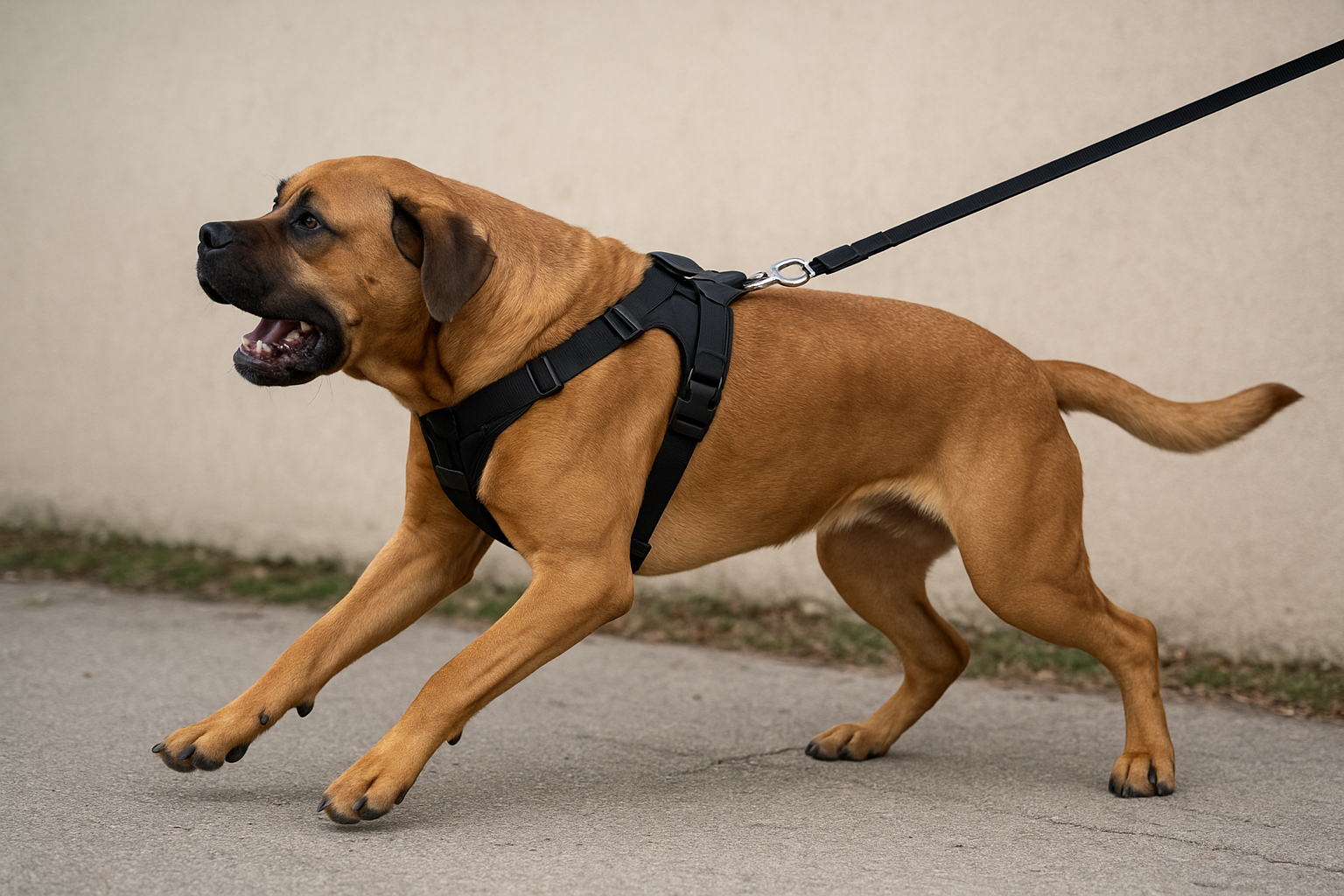
Walking a big dog should be fun, not feel like an upper-body workout. Yet many large-breed owners know the struggle: you clip on the leash, step outside, and suddenly you’re being dragged down the block. Not only is leash pulling frustrating, but it can also be dangerous, especially when your dog weighs as much or more than you do.
The good news is that with the right tools and some consistent training, you can teach your gentle giant to walk politely on a leash. I have researched expert tips from the AKC and veterinarians who specialize in large-breed behavior, and this article covers proven techniques to stop leash pulling so you can enjoy calmer, safer walks.
Why Do Big Dogs Pull on the Leash?
All dogs pull on their leash for reasons like excitement or distractions, but due to size, big dogs have their own unique challenges:
Natural Curiosity
Big dogs love to explore. Every new smell, sound, and sight is an invitation to investigate and they want to get there fast. Pulling is their way of saying, “Let’s go!”
Learned Behavior
Dogs are smart and learn quickly what works. If pulling gets them to a tree faster or closer to another dog, they learn that tugging pays off. Over time, it becomes natural for them to pull on the leash to get to what they want faster.
Sheer Strength and Size
Let’s face it: big dogs have muscles and they know it. Their strong shoulders, neck, and chest give them a huge advantage when tension builds on the leash. A quick pull from a St. Bernard or an American Bully can feel like a full-body yank. Because of that strength, even small habits can turn into big problems if not corrected.
Once a large dog starts moving, momentum kicks in so stopping them can take more effort than you expect.
Excitement and Impulse
Many large dogs just get excited to be outside. They get the zoomies, which is a term used in the dog community meaning when your dog has a sudden burst of pent-up energy. Teaching calm walking with treats, praise, and short, focused sessions helps them connect that calmness to rewards.
Training Techniques from the AKC & Vets
Here are 10 expert-approved tips for tackling leash pulling in big dogs:
Reward Loose Leash Walking – Praise, treat, or let your dog sniff when the leash stays slack.
Don’t Walk When They Pull – Stop immediately. Movement is the reward, so pulling should never get them ahead.
Wait for Calm Before Moving On – Only continue once your dog relaxes or looks back at you.
Use Life Rewards – Sniffing, greeting, or exploring are powerful incentives for polite walking.
Find a Comfortable Pace – Walking too slowly can frustrate dogs; too fast can make them lose focus. Aim for steady and calm.
Be Consistent – Everyone who walks your dog must follow the same rules, every time.
Keep Sessions Short – Five to ten minutes of training beats one long, stressful session.
Stay Engaging – Talk to your dog, change direction, and use treats to keep their attention on you.
Plan for Distractions – Spot triggers like other dogs or squirrels early and redirect before your dog reacts.
Stay Calm – Dogs feed off your energy. A calm, confident tone keeps your dog relaxed too.
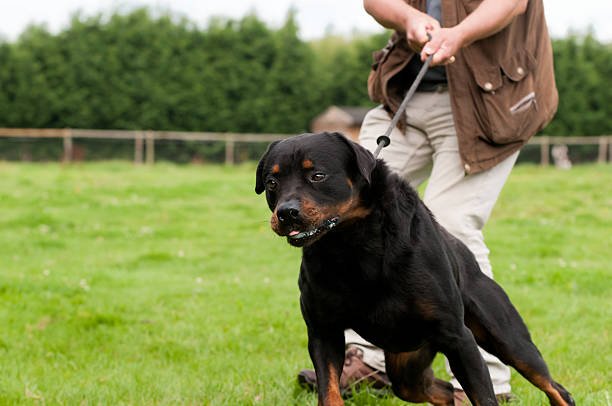
Tips for Training your Dog
With patience and consistency, you can teach your big pup better leash manners. These 10 tips work for all dogs, but with big breeds, they’re extra important:
- Use the Right Equipment
Invest in a well-fitted no-pull harness or a sturdy head halter. These tools give you more control without hurting your dog. - Start with Short Training Sessions
Don’t expect a full 30-minute walk to go smoothly right away. Begin with short, focused training sessions, about 10-15 minutes each, where you reward your dog for walking by your side. - Stop and Reset
When your dog pulls, stop walking immediately. Only continue once the leash is slack. Over time, your dog will learn that pulling won’t get them anywhere. - Reward Good Behavior
Keep treats with you. Every time your dog walks nicely by your side, reward them. Positive reinforcement is always more effective than punishment. - Burn Off Energy First
A tired dog will walk calmer. Play fetch, let them run around the yard or house, or playing tug-of-war will calm your dog down before walks so they’re not bursting with energy. - Be Consistent
Everyone who walks the dog should use the same training methods. Consistency is key for success. - Stay Engaging Talk to your dog, change direction and use treats to keep their attention on you.
The Proper Gear
The right equipment can make all the difference, especially with a powerful dog.
Front-clip or no-pull harness
A front-clip harness helps reduce pulling by giving you more control over your dog’s direction. It also prevents pressure on the throat.
Head collar
A head collar helps guide the dog’s head gently. When the head turns, the body follows. It works well for very strong pullers but should be introduced slowly and positively.
4–6 foot leash
A simple, standard leash keeps the walk predictable and easier to manage. Retractable leashes teach pulling and make the walk inconsistent, so they’re not recommended.
Common Mistakes to Avoid
- Using retractable leashes — they teach dogs that pulling works.
Ignoring small progress — reward every step.
Being inconsistent. Everyone walking the dog should have the same rules or your dog will get confused.
Getting frustrated. Tension from you leads to tension in your dog; patience is the key to training.
Final Thoughts
Teaching a big dog to stop pulling on the leash takes patience, but it’s a skill any dog can learn with the right approach. When you stay consistent, reward good behavior, and keep walks calm and predictable, your dog begins to understand what you expect. Over time, those small moments of progress add up.
Remember, big dogs aren’t trying to be difficult. They are excited, curious, and sometimes full of so much energy that they can get wild. With steady practice and the right equipment, walks become easier, safer, and far more enjoyable for both of you. The goal is to build a comfortable walking routine that lets you and your dog enjoy your time together.