Senior Dog Exercise: How Much Activity Is Too Much?
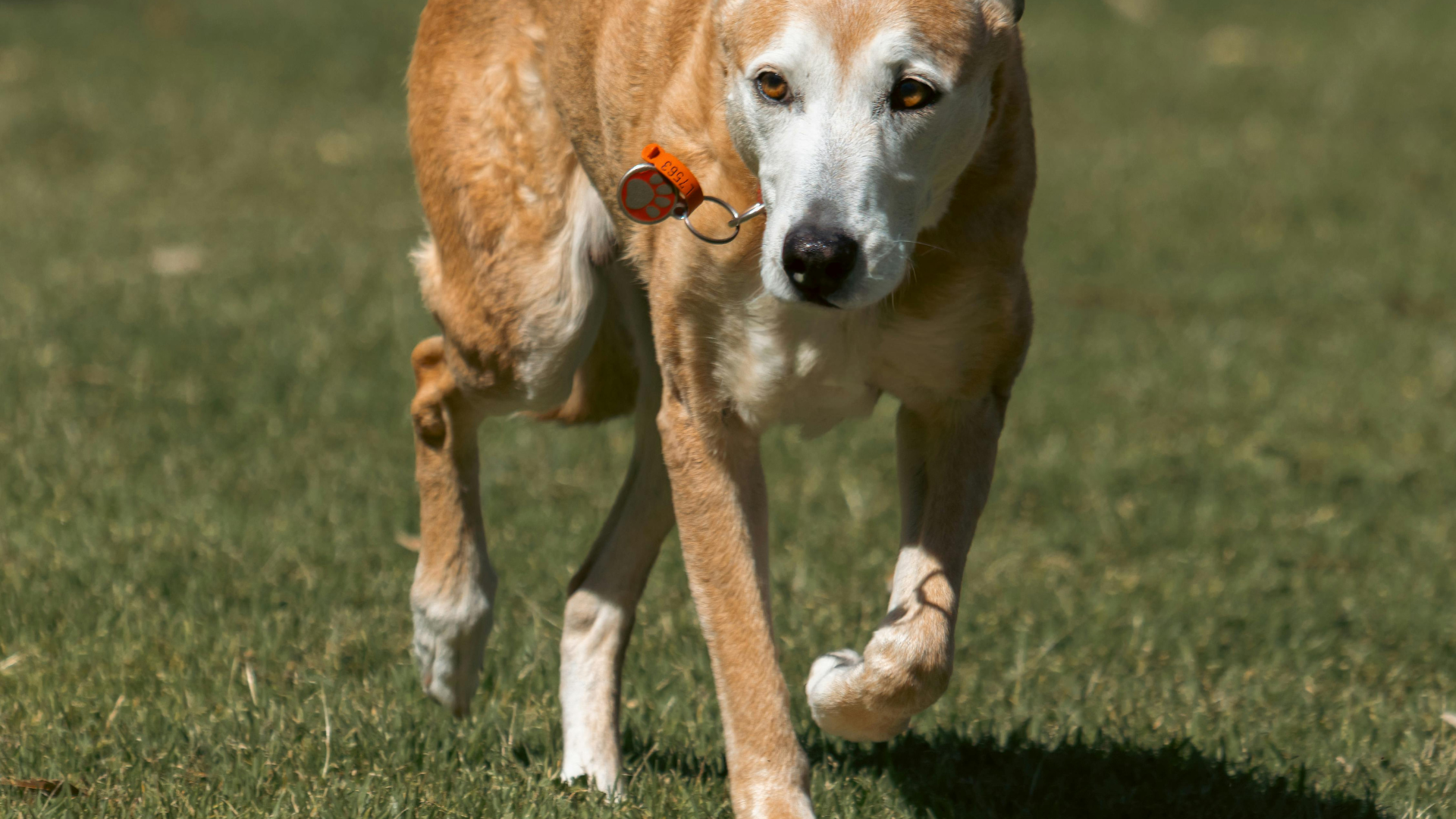
Like humans, as dogs get older, their exercise needs often change. Your dog may not walk as far as he used to, may take longer to recover after a busy day, or may prefer a few shorter outings instead of one long walk. For owners of large and giant breeds, these changes can become especially noticeable as their dogs enter their senior years.
But getting older doesn’t mean your dog should stop being active. Regular, appropriate exercise can help maintain muscle strength, support mobility, manage weight, and provide mental stimulation. The challenge is finding the right balance between keeping your dog moving and giving him enough time to rest.
So, how much exercise is too much for a senior dog?
The answer depends on your dog’s age, breed, fitness level, overall health, and individual abilities. Rather than following a strict exercise schedule, pay attention to how your dog moves, behaves, and feels during and after activity.
Why Exercise Still Matters for Senior Dogs
It’s easy to assume an older dog needs very little exercise. While senior dogs may need less intense activity than they did when they were younger, regular movement remains important.
Appropriate exercise can help your dog:
Maintain muscle strength. Gentle movement helps preserve the muscles that support everyday activities, such as standing up, walking, and climbing steps.
Manage a healthy weight. Older dogs may burn fewer calories as their activity levels decrease. Maintaining a suitable weight can help avoid putting unnecessary strain on their joints.
Stay mobile. Regular, comfortable movement can help prevent an increasingly inactive routine from becoming the norm.
Stay mentally stimulated. Sniffing, exploring, and visiting familiar places provide enrichment beyond physical exercise.
Maintain a daily routine. Walks and gentle play give your dog opportunities to explore, interact with you, and enjoy familiar activities.
The goal isn’t to make your senior dog exercise like a younger dog. It’s to help them remain as comfortable, mobile, and engaged as possible.
How Much Exercise Does a Senior Dog Need?
There isn’t one exercise recommendation that works for every senior dog. A healthy older dog that has stayed active throughout his life may comfortably enjoy longer walks, while another dog of the same age may need several brief outings throughout the day.
Large and giant breeds also vary considerably in their aging process. A dog’s size alone doesn’t tell you how much exercise he can handle.
Instead of focusing only on the number of minutes your dog spends exercising, consider the type of activity, its intensity, and how your dog responds.
Shorter Walks May Be Better Than One Long Walk
If your dog tires easily, try replacing one long walk with two or three shorter outings. This allows him to move throughout the day without having to sustain activity for too long.
For example, a dog that struggles with a 30-minute walk might do better with two 10- to 15-minute walks, provided that duration is comfortable for him. Another dog may need even shorter outings.
These times are examples, not targets your dog must reach. Start with what he can comfortably manage and adjust based on his response.
Let Your Dog’s Condition Guide the Routine
If your dog has always enjoyed daily walks, you may be able to maintain that routine with a few adjustments. Walk at a relaxed pace, choose comfortable routes, and allow plenty of time for sniffing.
If your dog has become less active, don’t suddenly introduce longer walks to make up for lost exercise. Start with brief, easy sessions and increase activity gradually only if he handles it well.
For dogs with diagnosed arthritis, heart disease, breathing problems, or other health concerns, ask your veterinarian to recommend an appropriate exercise plan.
Signs Your Senior Dog May Be Getting Too Much Exercise
Your dog may not be able to tell you when he’s reached his limit, but they can show you. It’s important to recognize changes in his movement and behavior.
1. They Start Slowing Down or Falling Behind
If your dog usually walks beside you but begins lagging behind, stopping frequently, or repeatedly trying to turn toward home, he may be tired or uncomfortable.
Don’t assume he’s being stubborn. Reduce the pace, take a break, or head home.
2. They Develop a Limp or Changes Their Gait
Watch for limping, shorter steps, stiffness, uneven weight distribution, or reluctance to put weight on one leg.
These signs can indicate pain or an injury rather than ordinary tiredness. Stop the activity and contact your veterinarian for guidance, particularly if the change is sudden or persistent.
3. They Have Trouble Getting Up After Resting
Some senior dogs experience stiffness after lying down, especially if they have joint problems. If your dog seems noticeably stiffer after exercise or has more difficulty getting up later in the day or the following morning, his routine may need adjusting.
Keep track of when the stiffness occurs and discuss recurring changes with your veterinarian.
4. Panting More Than Usual
Panting is normal during exercise, particularly in warm weather. However, excessive panting, panting that doesn’t settle with rest, or difficulty breathing can be signs that your dog is struggling.
Stop exercising, move to a cool area, and let your dog rest. Labored breathing, collapse, confusion, or signs of heatstroke require urgent veterinary attention.
5. They Are Exhausted Afterward
A senior dog may be ready for a nap after a walk, but he shouldn’t regularly be so exhausted that he struggles to get comfortable, refuses normal activities, or seems unusually weak.
If your dog takes much longer than usual to recover, shorten the next session and discuss the pattern with your veterinarian.
6. Becomes Reluctant to Exercise
A dog that suddenly avoids walks, play, stairs, or getting into the car may be experiencing pain, weakness, or another health issue.
Don’t force them to continue. A veterinary check can help determine whether his activity needs to change and whether an underlying problem requires treatment.
The Best Types of Exercise for Senior Large Dogs
The best activities are usually low-impact, manageable, and easy to adjust to your dog’s abilities.
Gentle Walks
Walking is often a good starting point for a senior dog who can comfortably bear weight and move around.
Choose level paths with secure footing, avoid steep hills if they cause difficulty, and let your dog set the pace. On days when they seem tired or stiff, shorten the route rather than pushing him to finish it.
For large dogs with mobility problems, a nearby grassy area or a few short trips outside may be more appropriate than a long neighborhood walk.
Gentle Play
Some senior dogs still enjoy a favorite toy or a little play in the yard. Keep sessions relaxed and avoid repetitive jumping, sharp turns, sudden stops, or intense chasing if these movements are difficult for your dog.
Let your dog take breaks and stop before he becomes tired.
Swimming
Swimming may provide a low-impact activity for some dogs because water supports part of their body weight. However, it isn’t suitable for every dog, and not all dogs are confident or safe swimmers.
Use a controlled environment, supervise your dog closely, and speak with your veterinarian before introducing swimming if your dog has significant mobility or medical concerns. Water exercise may be best introduced with professional guidance.
Indoor Movement
When the weather is poor or your dog struggles with outdoor walks, gentle indoor movement can help maintain his routine.
You might encourage him to walk a short distance across a nonslip floor or move around between comfortable resting spots.
Avoid wanting them to repeatedly climb stairs, jump onto furniture, or perform any movements that causes obvious discomfort.
Activities That May Be Too Much for an Older Dog
Senior dogs don’t necessarily have to give up every activity they enjoyed when they were younger. However, some activities may need to be reduced or avoided depending on their physical condition.
Be cautious with:
Long hikes over rough terrain. Uneven ground, steep inclines, and long distances can increase fatigue and make footing more difficult.
Repeated jumping. Jumping in and out of vehicles, onto furniture, or over obstacles may be uncomfortable for dogs with mobility limitations.
Intense games of fetch. Repeated sprinting, sudden stops, and sharp turns can be demanding for older dogs.
Running alongside a bicycle. Sustained running can be difficult to regulate, particularly if your dog is prone to joint problems or overheating.
Exercise in extreme temperatures. Hot, humid weather can increase the risk of overheating, while cold conditions may aggravate stiffness in some dogs.
If your dog has a specific medical condition, ask your veterinarian which activities are appropriate rather than relying on age alone.
How to Adjust Exercise as Your Dog Ages
Your senior dog’s exercise needs may change gradually, so it’s worth reviewing his routine regularly.
Start With What They Can Comfortably Handle
If your dog has been inactive for a while, begin with short, easy walks. Avoid trying to build endurance quickly.
A dog who comfortably completes a short walk without limping, excessive fatigue, or increased stiffness afterward may be ready to continue that routine. Increase duration only gradually, if at all, and monitor the response.
Watch How They Feel
Your dog’s reaction after exercise is just as important as how they behaves during it.
Notice whether they:
Get up and moves normally after resting.
Seem comfortable for the remainder of the day.
Is moving normally the following morning.
Remains interested in their usual activities.
If your dog consistently seems more uncomfortable after a particular activity, stop the activity and consult your veterinarian.
Adjust for Weather and Surface Conditions
Hot weather can make even a familiar walk more demanding. Choose cooler times of day, bring water when appropriate, and take breaks.
Also pay attention to footing. Slippery floors, loose gravel, muddy paths, and uneven surfaces may be difficult for dogs with reduced strength or balance.
Make Rest Part of the Routine
Rest days or lighter activity days can be helpful when your dog seems tired or is recovering from a busier outing. This doesn’t necessarily mean keeping them completely inactive. The important thing is to avoid treating exercise as a task your dog must complete regardless of how they feel.
Home Adjustments
Small adjustments around the house can make everyday movement easier for an older dog.
Consider adding nonslip runners on slippery floors, keeping food and water bowls and bedding easy to reach, and providing a comfortable bed that allows your dog to get up without struggling.
If they have difficulty getting into the car or on the couch, a properly sized mobility ramp may help reduce the need to jump. Introduce ramps gradually and make sure they have a stable surface and secure footing.
Keep your dog’s nails trimmed. Overgrown nails can interfere with comfortable footing.
These changes don’t replace exercise, but they can help your dog move around more comfortably at home throughout the day.
When to Talk to Your Veterinarian
Don’t assume every change in an older dog’s exercise tolerance is simply part of aging.
Arrange a veterinary appointment if your dog develops persistent stiffness, recurring limping, reduced stamina, reluctance to walk, or difficulty standing up. These signs can have several causes, and an examination can help determine what’s going on.
Your veterinarian can also help establish a safe exercise plan, especially if your dog has arthritis, heart or respiratory disease, obesity, or another condition that affects activity.
Final Thoughts
Exercise remains an important part of senior dog care, but the right amount may look very different from what your dog needed a few years ago.
For older large dogs, the goal is to maintain comfortable movement without causing unnecessary fatigue or discomfort. Shorter walks, relaxed sniffing, gentle play, and simple indoor activities can all provide useful opportunities to stay active.
Pay attention to how your dog moves during exercise and how he feels afterward. If he starts slowing down, develops stiffness, or seems unusually tired, adjust the routine rather than pushing him to do more.
Most importantly, remember that there is no single exercise target every senior dog must meet. Your dog’s comfort, abilities, and veterinary guidance should determine what works best for him.
Trusted Resources
American Animal Hospital Association (AAHA)
American Animal Hospital Association. (2023). 2023 AAHA senior care guidelines for dogs and cats.
URL: https://www.aaha.org/resources/2023-aaha-senior-care-guidelines-for-dogs-and-cats/
2. American Animal Hospital Association (AAHA)
American Animal Hospital Association. (2024, October 1). Aging with grace: How to support your senior pet.
URL: https://www.aaha.org/resources/aging-with-grace-how-to-support-your-senior-pet/
3. American Animal Hospital Association (AAHA)
American Animal Hospital Association. (n.d.). Evaluating the healthy senior pet.
4. American Animal Hospital Association (AAHA)
American Animal Hospital Association. (n.d.). Pain management.
URL: https://www.aaha.org/resources/2023-aaha-senior-care-guidelines-for-dogs-and-cats/pain-management/
5. American Animal Hospital Association (AAHA)
American Animal Hospital Association. (n.d.). What should I know about my senior dog?