The Health Challenges of Large Dogs: What Every Big Dog Parent Should Know
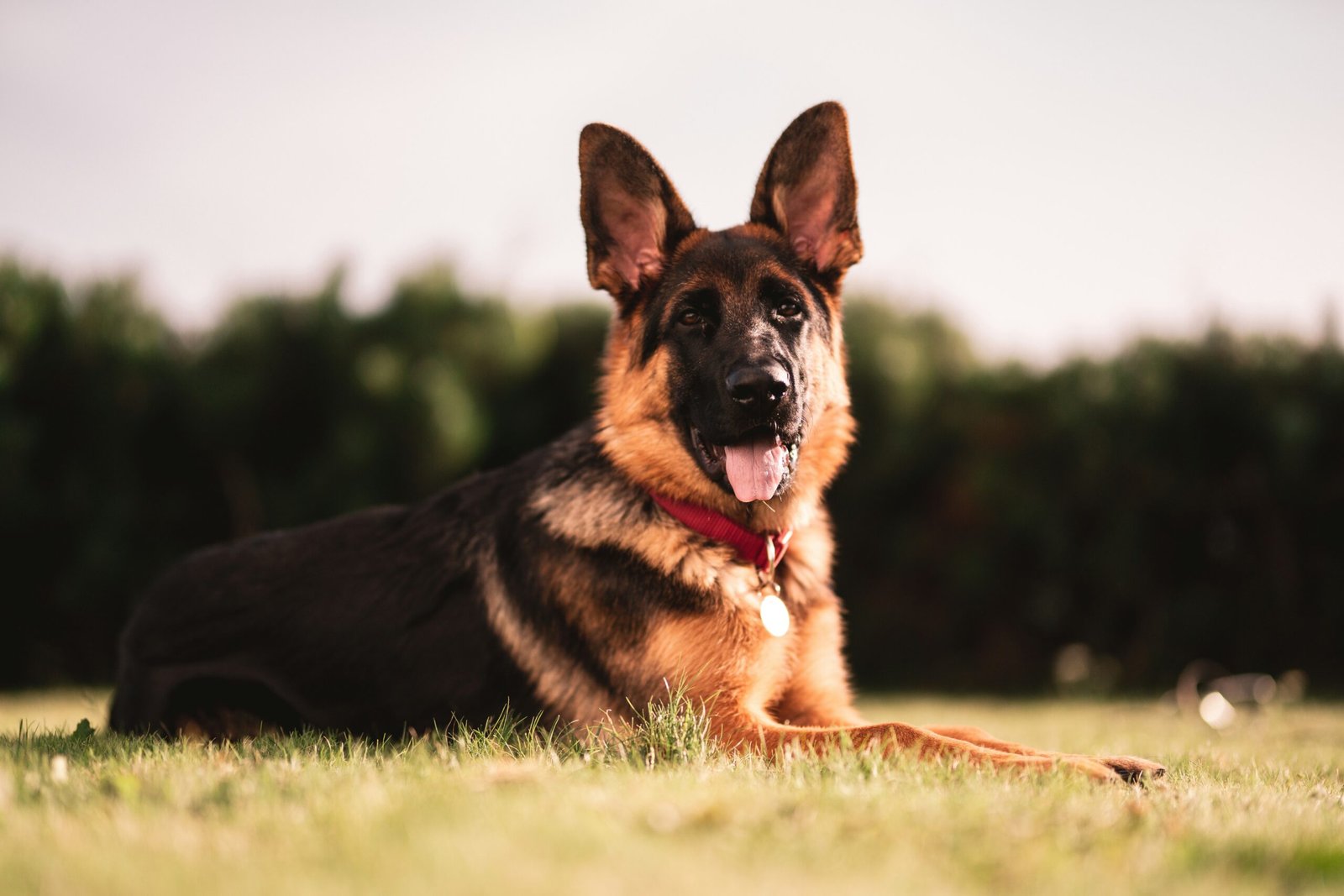
Bringing a big dog into your life is a joy like no other. Whether it’s the goofiness of a Great Dane, or the cuddly charm of an American Bully, these gentle giants bring love, loyalty, and often a surprising amount of lap-sitting attempts. My Bully thinks he is a small dog and will jump in my lap if I allow him. Along with their size comes some unique health challenges that every large dog parent should be aware of.
Large dogs have a commanding presence, loyal personalities, and endless love to give but when it comes to health, bigger breeds often face unique challenges that smaller dogs don’t. Whether you live with a Great Dane, Mastiff, American Bully, understanding health problems in large dogs can help you keep your companion healthy, comfortable, and thriving for as long as possible.
Here are the most common health concerns for big and what you can do to help your pet live their best life.
Joint and Bone Issues
Large dogs put more stress on their joints simply because they carry more weight. Over time, this extra pressure can cause problems like hip dysplasia, arthritis, stiffness, and trouble just moving around. These issues often become more noticeable as your dog ages.
What you can do:
Keep your dog at a healthy weight. Extra pounds means extra strain on joints.
Provide joint-friendly supplements such as glucosamine and chondroitin.
Invest in orthopedic dog beds.
Regular exercise is key, but keep it low impact, like swimming or controlled walks.
Heart Problems
Some large breeds, especially Dobermans, Great Danes, and Boxers, are at higher risk for heart conditions such as dilated cardiomyopathy (DCM) This condition causes the heart muscle to weaken, making it harder for the heart to pump blood.
What you can do:
Schedule regular vet checkups. Heart issues often go unnoticed until the condition has advanced.
Ask your vet if an echocardiogram is recommended for your breed.
Feed a balanced diet with quality ingredients.
Shorter Lifespan
One of the toughest realities of owning a large dog is their shorter average lifespan. While small dogs often live well into their teens, many giant breeds only live 7–10 years. The reason isn’t fully understood, but researchers believe large dog lifespan is shorter because they age more quickly due to the strain their size places on the body. Nature can be mysterious.
What you can do:
Schedule regular vet checkups (at least once a year, more often as your dog ages).
Focus on preventive care such as weight management, dental care, vaccinations, and early screenings for common diseases.
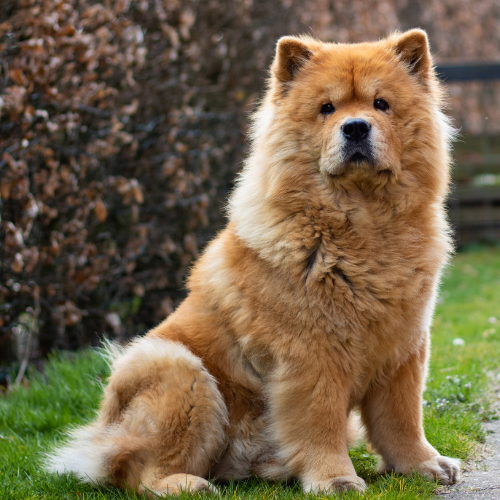
Bloat (Gastric Dilatation-Volvulus, GDV)
Bloat is a life-threatening condition that happens when the stomach fills with gas and it starts to stretch and twist. When bloat occurs, a dog’s stomach begins to expand and twists, which cuts off blood flow to the abdomen area as well as the stomach itself. Bloat can also put pressure on the diaphragm which causes breathing difficulties.
Warning signs: abdominal swelling, dry heaving, restlessness, rapid heart rate, pale gums.
What you can do:
Feed smaller, more frequent meals instead of one large meal.
Use slow-feed bowls to prevent gulping.
Avoid heavy exercise right before or after eating.
Talk to your vet about a preventive surgery, called gastropexy if your dog is high-risk.
Obesity
Big dogs may look sturdy, but carrying excess weight puts them at risk for joint pain, diabetes, heart problems, and decreased lifespan. They become lethargic and uninterested in playtime.
What you can do:
Measure food portions carefully.
Stick to a consistent exercise routine suited to your dog’s age and health.
Limit high-calorie treat and instead try low-calorie treats like carrots or green beans.
Cancer
Unfortunately, many large breeds are more prone to certain cancers, including bone cancer (osteosarcoma) and lymphoma. Early detection makes a huge difference in treatment options.
What you can do:
Do regular home checks for unusual lumps, bumps, or changes in appetite/energy.
Ask your vet about breed-specific risks and screenings.
Final Thoughts
Owning a large dog means making space in your home, your schedule, and sometimes even on your couch. Bigger food bags, sturdier toys, and stronger gear become part of everyday life. As an American Bully owner, I’ve learned firsthand that large dogs come with their own set of health needs, but they also bring an incredible amount of joy, personality, and love.
With proactive care, regular vet checkups, and attention to your dog’s unique needs, you can help your big buddy stay healthy and comfortable for as long as possible. While large dogs may not always have the longest lifespans, the years you do get with them are filled with loyalty, laughter, and the unmistakable bond only a gentle giant can give.