Senior Large Dogs: Keeping Your Dog Comfortable as They Age
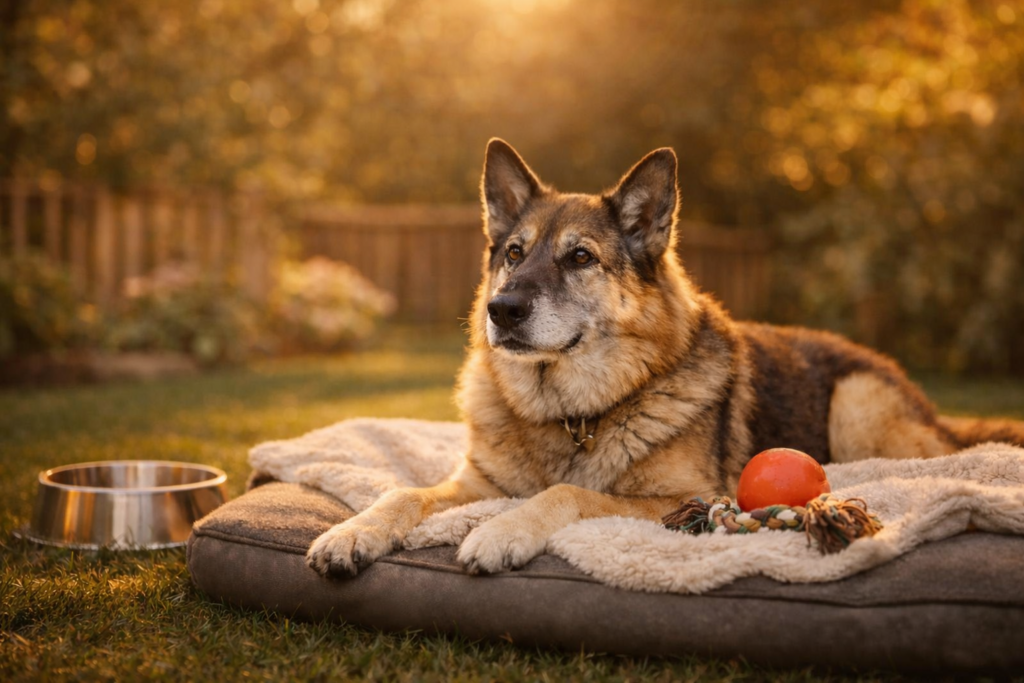
There’s something special about growing with your dog. One day your energetic giant is racing through the yard, and before you know it, they’re moving a little slower, taking longer naps, and showing a few gray hairs around the muzzle.
Large dogs often age faster than smaller breeds, making senior care especially important. While aging is a natural part of life, there are many ways owners can help their dogs stay comfortable, active, and happy during their golden years. Consider it spoiling your large dog.
Whether you share your home with an American Bully, Labrador Retriever, German Shepherd, Mastiff, or another large breed, understanding the changes that come with aging can help you provide the best possible care.
When Is a Large Dog Considered a Senior?
Unlike small dogs, large breeds generally enter their senior years earlier.
As a general guideline:
| Dog Size | Senior Age |
|---|---|
| Small Dogs | 10–12 years |
| Medium Dogs | 8–10 years |
| Large Dogs | 7–8 years |
| Giant Dogs | 5–7 years |
Because large and giant breeds age more quickly, owners may begin noticing age-related changes sooner than expected.
Common Changes in Aging Large Dogs
As all dogs age, both physical and behavioral changes are normal.
You may notice:
- Reduced energy levels
- Increased sleeping
- Slower movement
- Difficulty getting up after resting
- Weight gain or weight loss
- Graying around the face
- Reduced hearing or vision
- Increased stiffness after exercise
- Changes in appetite
- Greater sensitivity to cold temperatures
These changes often occur gradually, making them easy to overlook until they become more noticeable.
Joint Health and Mobility Challenges
One of the biggest concerns for senior large dogs is declining joint health.
Large breeds place significant stress on their joints throughout their lives. Over time, wear and tear can contribute to arthritis and reduced mobility.
Signs of mobility issues include:
- Limping
- Stiffness after rest
- Reluctance to jump into vehicles
- Difficulty climbing stairs
- Slower walks
- Trouble standing up
- Reduced interest in play
Early intervention can significantly improve comfort and quality of life.
Ways to Support Mobility
- Maintain a healthy weight
- Provide low-impact exercise
- Use orthopedic bedding
- Consider veterinary-approved joint supplements
- Install ramps where needed
- Use non-slip flooring or rugs
Many dogs remain active for years when mobility issues are managed appropriately.
Many senior dogs benefit from additional joint support. If you’re researching options, check out my guide to the best joint supplements for large dogs.
Keeping Your Senior Dog at a Healthy Weight
Excess weight is especially hard on aging joints. Even a few extra pounds can increase discomfort and make movement more difficult.
To maintain a healthy body weight:
- Measure food portions accurately
- Avoid excessive treats
- Adjust calorie intake as activity levels decline
- Schedule regular weigh-ins with your veterinarian
- Discuss ideal body condition scores with your vet
Weight management is one of the simplest and most effective ways to improve a senior dog’s comfort.
Nutrition for Aging Large Dogs
Senior dogs often have different nutritional needs than younger adults.
A balanced senior diet may provide:
- Moderate calories
- High-quality protein
- Joint-supporting nutrients
- Omega-3 fatty acids
- Controlled phosphorus levels when appropriate
- Antioxidants for healthy aging
Some dogs may benefit from a specially formulated senior diet, while others continue doing well on their current food. Your veterinarian can help determine the best option.
Exercise Still Matters
Although senior dogs may slow down, regular activity remains important.
Exercise helps:
- Maintain muscle mass
- Support joint function
- Control weight
- Improve mental health
- Reduce stiffness
Good activities for senior large dogs include:
- Leisurely walks
- Swimming
- Gentle play sessions
- Short training exercises
- Controlled hiking on easy terrain
Pay attention to your dog’s energy level and avoid overexertion.
Making Your Home More Senior-Friendly
There are small changes that you can make around the house to make a significant difference.
Orthopedic Dog Beds
A supportive bed helps cushion aging joints and reduces pressure points while sleeping. Choosing the right bed can make a noticeable difference in comfort for dogs with arthritis or stiffness. See our recommendations for the best orthopedic dog beds for large dogs.
Non-Slip Flooring
Hardwood and tile floors can become challenging for dogs with weak joints. Area rugs or traction mats can improve stability.
Ramps
Ramps may help dogs access vehicles, furniture, or elevated areas without excessive jumping.
Elevated Food and Water Bowls
Some senior dogs find elevated bowls more comfortable because they reduce neck and shoulder strain.
Regular Veterinary Visits Become More Important
Many veterinarians recommend wellness exams every six months for senior dogs.
Routine visits can help detect:
- Arthritis
- Dental disease
- Heart disease
- Kidney disease
- Vision problems
- Hearing loss
- Endocrine disorders
Early detection often leads to better outcomes and more treatment options.
Quality of Life Matters Most
Growing older doesn’t mean your dog can’t enjoy life. Many senior large dogs continue to enjoy walks, family time, toys, treats, and new adventures well into their later years. The goal isn’t to stop aging but to support your dog through the process with comfort, patience, and attentive care.
By focusing on mobility, nutrition, regular veterinary care, and a safe home environment, you can help your loyal companion enjoy their golden years with dignity and happiness.
Final Thoughts
Senior large dogs may face unique challenges as they age, but there is much owners can do to keep them comfortable and engaged. Maintaining a healthy weight, supporting joint health, providing appropriate exercise, and staying proactive with veterinary care can greatly improve your dog’s quality of life.
The years may slow your dog down, but they don’t have to diminish the bond you share. With thoughtful care and attention, your gentle giant can continue enjoying life for many years to come.
Trusted Resources
American Animal Hospital Association. (n.d.). Senior pet care guidelines. Retrieved from https://www.aaha.org
American Veterinary Medical Association. (n.d.). Senior pets. Retrieved from https://www.avma.org
American Kennel Club. (n.d.). Caring for senior dogs. Retrieved from https://www.akc.org
PetMD. (n.d.). Caring for senior dogs: Common health concerns and management. Retrieved from https://www.petmd.com
Tufts University Cummings School of Veterinary Medicine. (n.d.). Healthy aging in dogs. Retrieved from https://vet.tufts.edu