American Bully Joint Problems: Common Issues Owners Should Know
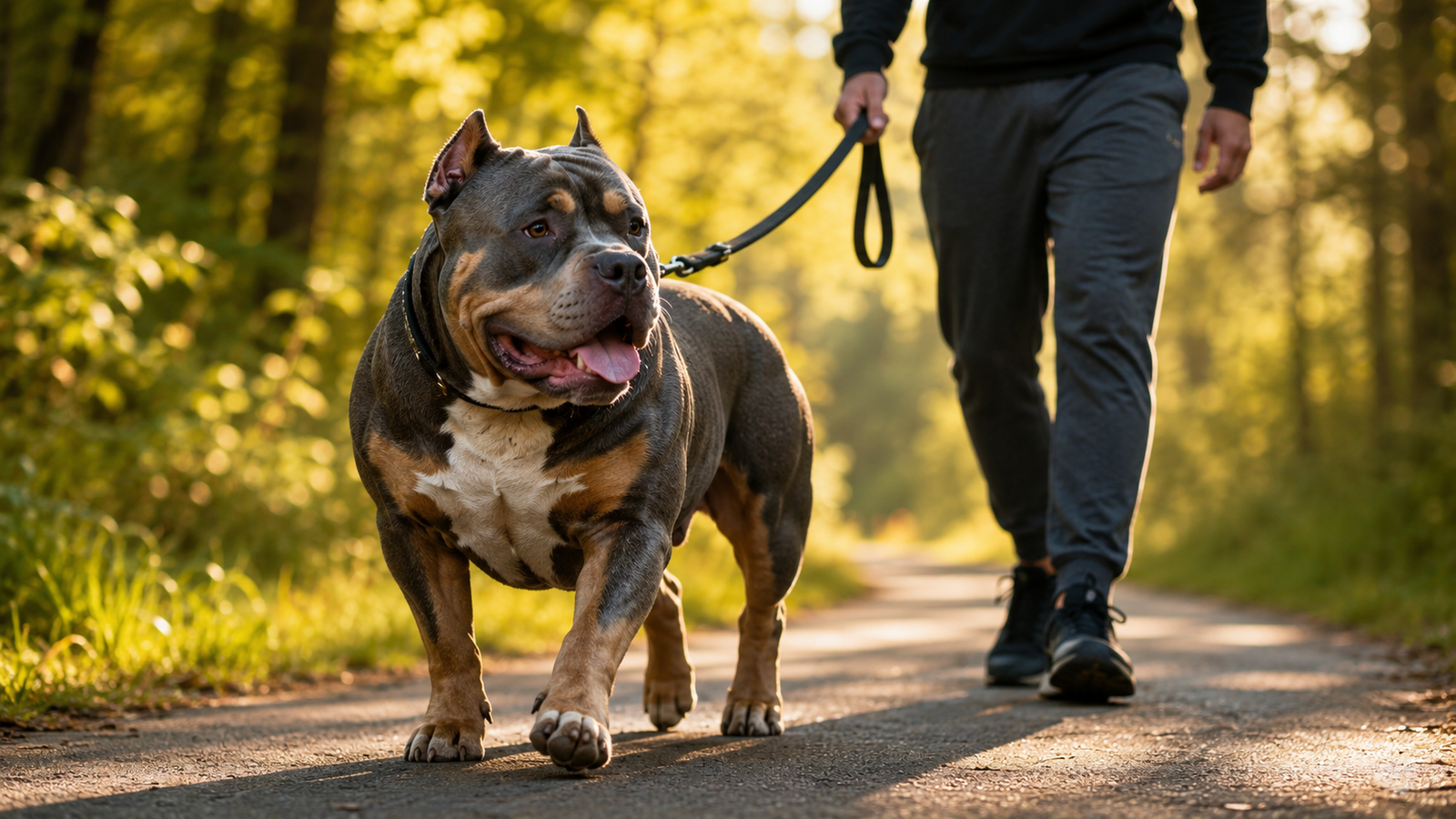
As the owner of a 7-year-old American Bully, joint health is something I think about more now than when my dog was a puppy. While American Bullies are strong, athletic dogs, their muscular build and body weight can place significant stress on their joints over time. As they enter their senior years, issues such as stiffness, arthritis, and reduced mobility can become more common.
Fortunately, understanding the warning signs of joint problems can help owners take action before these conditions significantly impact their dog’s quality of life. In this article, I will discuss some of the most common joint issues seen in American Bullies, including hip dysplasia, elbow dysplasia, arthritis, and luxating patella. I will also explain why maintaining a healthy weight is one of the most important things you can do to support your dog’s mobility and long-term comfort.
Whether you have a young American Bully or a senior companion like mine, protecting their joints today can help keep them active and comfortable for years to come.
Why American Bullies Are Prone to Joint Problems
Like many medium-to-large breed dogs, American Bullies can inherit structural issues that affect the development of their joints. Their muscular bodies also place significant pressure on their hips, knees, elbows, and spine.
Several factors can increase the risk of joint disease, including:
- Genetics
- Rapid growth during puppyhood
- Excess body weight
- Poor nutrition
- High-impact exercise
- Aging
While not every American Bully will experience joint issues, owners should be aware of the conditions that commonly affect the breed.
Hip Dysplasia
Hip dysplasia is one of the most common orthopedic conditions seen in American Bullies and other large breeds.
The hip joint functions as a ball-and-socket joint. In dogs with hip dysplasia, the joint does not fit together properly. Over time, the abnormal movement causes wear and tear, inflammation, and eventually arthritis.
Signs of Hip Dysplasia
- Difficulty standing up
- Bunny hopping when running
- Reluctance to jump or climb stairs
- Decreased activity levels
- Stiffness after resting
- Swaying gait
Some dogs show symptoms while still young, while others may not develop noticeable issues until adulthood.
Treatment Options
Treatment depends on severity and may include:
- Weight management
- Physical therapy
- Joint supplements
- Pain-relief medications
- Controlled exercise
- Surgical intervention in severe cases
Early diagnosis can significantly improve long-term outcomes.
Elbow Dysplasia
Elbow dysplasia refers to a group of developmental abnormalities affecting the elbow joint. Although it is often associated with giant breeds, American Bullies can also be affected.
When the bones of the elbow do not develop correctly, abnormal wear occurs within the joint, leading to inflammation and arthritis.
Signs of Elbow Dysplasia
- Front-leg limping
- Stiffness after exercise
- Reduced willingness to play
- Pain when the elbow is manipulated
- Difficulty rising from lying down
Treatment Options
Management may include:
- Weight control
- Anti-inflammatory medications
- Physical rehabilitation
- Joint supplements
- Surgery when appropriate
Because elbow dysplasia often progresses to arthritis, early intervention is important.
Arthritis
Arthritis, also known as osteoarthritis, is a degenerative joint disease that commonly develops as dogs age.
For many American Bullies, arthritis develops secondary to conditions such as hip dysplasia, elbow dysplasia, injury, or normal wear and tear over time.
Signs of Arthritis
- Slower movement
- Stiffness after sleeping
- Difficulty climbing stairs
- Reluctance to jump onto furniture
- Reduced endurance during walks
- Behavioral changes due to pain
Many owners assume these changes are simply signs of aging, but arthritis is often the underlying cause.
Managing Arthritis
Although arthritis cannot be cured, it can often be managed successfully through:
- Maintaining a healthy weight
- Low-impact exercise
- Veterinary-prescribed medications
- Joint supplements
- Physical therapy
- Orthopedic dog beds
Many dogs remain active and comfortable for years with proper management.
Luxating Patella
A luxating patella occurs when the kneecap slips out of its normal position. This condition is more common in small breeds, but it can also affect American Bullies.
Some cases are inherited, while others develop due to injury or abnormal limb structure.
Signs of Luxating Patella
- Sudden skipping while walking
- Brief episodes of lameness
- Holding one rear leg up
- Clicking sounds from the knee
- Difficulty running
Some dogs experience only occasional discomfort, while severe cases may require surgical correction.
Treatment Options
Treatment depends on severity and may include:
- Weight management
- Activity modification
- Physical therapy
- Pain medications
- Surgery for advanced cases
A veterinarian can determine the grade of luxation and recommend the most appropriate treatment plan.
Weight Management: The Most Important Joint Protection Tool
When discussing joint health, few factors are as important as maintaining a healthy body weight.
Even a few extra pounds can place significant additional stress on a dog’s joints. This is especially true for muscular breeds like the American Bully.
Benefits of Maintaining a Healthy Weight
- Reduces stress on hips and knees
- Helps slow arthritis progression
- Improves mobility
- Increases stamina
- Lowers inflammation throughout the body
- Improves overall quality of life
Supporting Your American Bully's Joint Health
While genetics cannot be changed, there are several steps owners can take to support healthy joints throughout their dog’s life:
- Keep your dog at a healthy weight
- Feed a balanced diet
- Provide regular, low-impact exercise
- Use joint supplements when recommended by your veterinarian
- Schedule routine veterinary checkups
- Provide supportive orthopedic bedding
- Address limping or mobility changes promptly
Being proactive can help reduce discomfort and maintain mobility as your American Bully ages.
Final Thoughts
American Bullies are strong, athletic dogs, but they can be susceptible to several joint-related conditions throughout their lives. Hip dysplasia, elbow dysplasia, arthritis, and luxating patella can all impact mobility and comfort if left unmanaged.
Fortunately, many joint problems can be identified early and managed effectively. By maintaining a healthy weight, providing appropriate exercise, and working closely with your veterinarian, you can help your American Bully stay active, comfortable, and happy for years to come.
Trusted Resources
American Kennel Club. (n.d.). Hip dysplasia in dogs. Retrieved from https://www.akc.org
American Veterinary Medical Association. (n.d.). Osteoarthritis in dogs. Retrieved from https://www.avma.org
American Animal Hospital Association. (n.d.). Managing arthritis in dogs. Retrieved from https://www.aaha.org
PetMD. (2025). Luxating patella in dogs: Symptoms and treatment. Retrieved from https://www.petmd.com
Merck Veterinary Manual. (n.d.). Elbow dysplasia in dogs. Retrieved from https://www.merckvetmanual.com