Best Exercises for Dogs with Hip Dysplasia
Hip dysplasia doesn’t mean your dog has to stop being active. In fact, the right kind of exercise is one of the best ways to reduce pain, maintain muscle mass, support healthy joints, and improve mobility.
The key is choosing low-impact activities that strengthen muscles without placing excessive stress on the hips.
Whether your dog has mild arthritis or more advanced hip dysplasia, this guide covers the safest exercises, what to avoid, and products that can make movement easier.
Why Exercise Matters
Dogs with hip dysplasia often become less active because movement hurts. Unfortunately, inactivity creates another problem:
- Muscles weaken
- Joint stability decreases
- Weight gain places more pressure on the hips
- Stiffness becomes worse
Appropriate daily exercise helps:
- Maintain muscle strength
- Support the hip joint
- Improve flexibility
- Increase endurance
- Reduce stiffness
- Promote a healthy weight
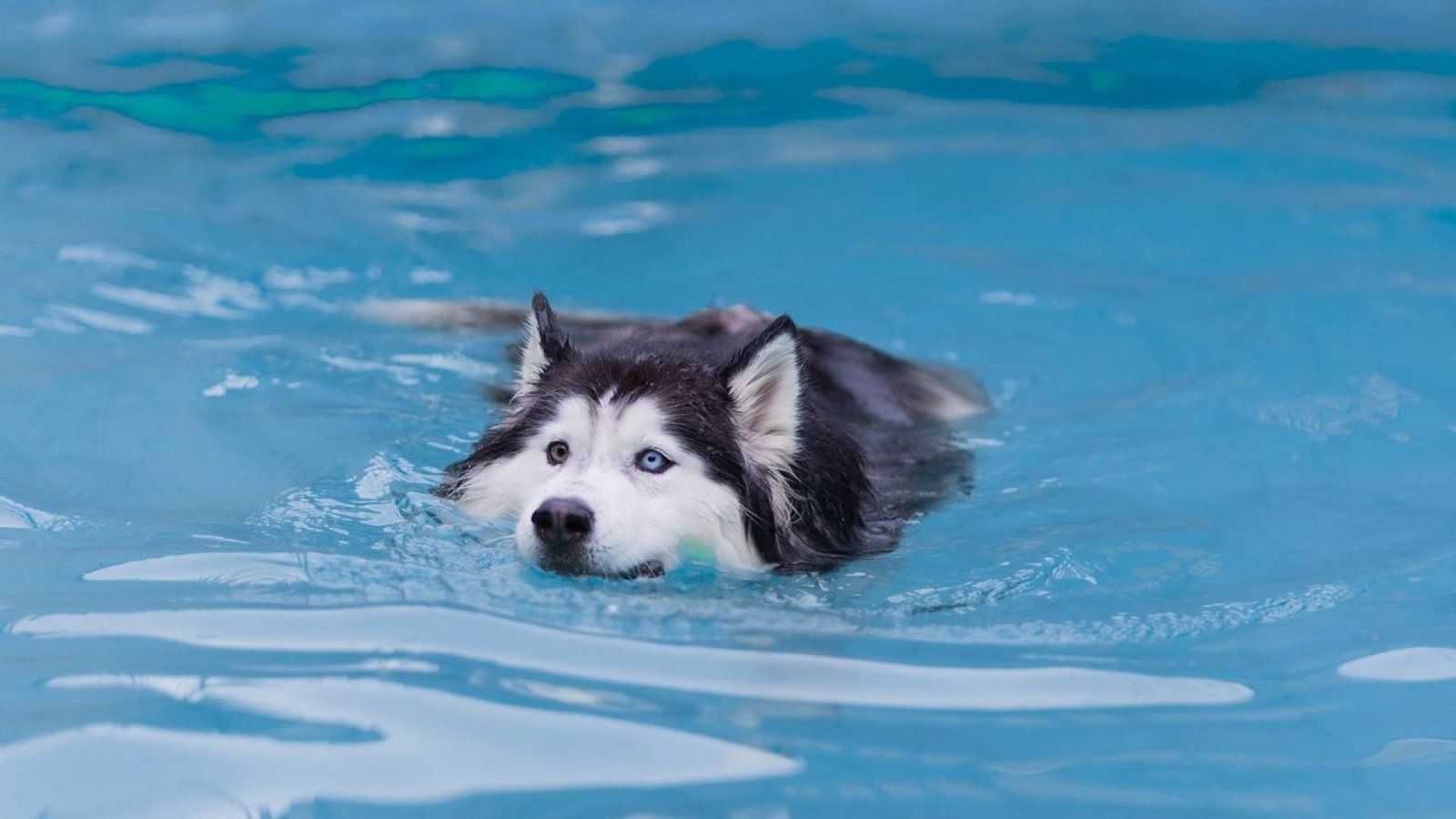
1. Swimming: One of the Best Exercises
Swimming is widely considered one of the best exercises for dogs with hip dysplasia.
Because water supports much of the dog’s body weight, the joints experience far less impact while the muscles still work hard.
Benefits
- Builds muscle without joint stress
- Improves cardiovascular fitness
- Increases range of motion
- Burns calories
- Helps overweight dogs lose weight safely
Many veterinary rehabilitation centers also offer underwater treadmills, which allow dogs to walk with controlled resistance.
Tips
- Always supervise swimming.
- Use a canine life jacket if needed.
- Begin with short sessions (5–10 minutes).
- Dry ears thoroughly afterward.
2. Controlled Walking
Walking remains one of the most important daily exercises.
Rather than long weekend hikes, focus on consistent, moderate walks throughout the week.
Ideal Walking Routine
- 15–30 minutes
- Flat terrain
- Comfortable pace
- Daily or nearly daily
- Plenty of opportunities to sniff and rest
Watch your dog carefully. If they begin limping, slowing significantly, or refusing to continue, it’s time to head home.
Avoid
- Steep hills
- Uneven rocky trails
- Slippery surfaces
- Long-distance hikes
- Forced jogging
3. Strengthening Exercises
Targeted strengthening exercises help stabilize the hips by building the muscles surrounding the joint.
These should be introduced gradually and, when possible, under the guidance of your veterinarian or a canine rehabilitation professional.
Sit-to-Stand
This exercise is similar to a squat.
Have your dog:
- Sit calmly.
- Stand up slowly.
- Repeat several times.
Start with 5 repetitions.
Weight Shifting
While your dog stands comfortably, gently encourage them to shift weight from one side to the other using treats.
This improves balance and activates stabilizing muscles.
Cavaletti Rails
Walking slowly over low poles encourages dogs to:
- Lift their legs higher
- Improve coordination
- Increase flexibility
- Build core strength
Keep poles low and well spaced.
Backing Up
Walking backward activates muscles that aren’t used during normal walking. Use treats to encourage your dog to take several slow backward steps.
4. Mobility Exercises
Gentle mobility exercises help maintain flexibility and reduce stiffness.
These include:
- Slow figure-eight walking
- Walking in wide circles
- Gentle stretching (only if recommended by your veterinarian)
- Controlled leash walking
- Balance work on stable surfaces
These exercises encourage normal joint movement without excessive force.
5. Short Play Sessions
Play is still important. Instead of long games of fetch, try:
- Nose work
- Puzzle toys
- Gentle tug
- Hide-and-seek
- Slow retrieve games over short distances
Mental exercise can tire dogs just as effectively as physical exercise.
Exercises to Avoid
Some activities place excessive stress on dysplastic hips and may worsen pain.
Avoid:
– Repeated jumping
– Catching Frisbees
– High-impact agility
– Running beside a bicycle
– Long-distance running
– Frequent stair climbing
– Rough play with larger dogs
– Slippery hardwood floors without traction
These activities create sudden forces that inflamed joints often cannot tolerate.
Keep Exercise Consistent
Dogs with hip dysplasia generally do better with:
- Short daily exercise
- Regular routine
- Rest between activities
- Warm-up before exercise
- Cool-down afterward
Large fluctuations like doing very little all week and then taking a two-hour hike on Saturday will often times lead to soreness.
Consistency is much healthier than intensity.
Orthopedic Products That Can Help
Exercise is only one part of managing hip dysplasia.
Many owners find additional support from orthopedic products.
Helpful options include:
Orthopedic Dog Beds
Memory foam beds reduce pressure on painful joints and improve sleep quality.
Joint Supplements
Glucosamine, chondroitin, MSM, green-lipped mussel, and omega-3 fatty acids may help support joint health.
Support Harnesses
Rear-support lifting harnesses make it easier for dogs to:
- Stand up
- Climb stairs
- Get into vehicles
- Walk comfortably
Non-Slip Rugs and Mats
Improving traction inside the home helps reduce slips that can aggravate painful hips.
Elevated Food Bowls
For some senior dogs, raised bowls reduce the need to repeatedly bend while eating.
When to Stop Exercising
Exercise should challenge your dog but never cause significant pain.
Stop the session if your dog:
- Begins limping
- Refuses to continue
- Pants excessively
- Appears painful afterward
- Has difficulty standing after exercise
- Shows worsening stiffness the next day
If symptoms continue, consult your veterinarian before resuming activity.
Frequently Asked Questions
Is walking good for dogs with hip dysplasia?
Yes. Controlled, moderate walking helps maintain muscle strength, mobility, and a healthy weight without placing excessive strain on the hips.
How long should a dog with hip dysplasia exercise?
Most dogs benefit from 15–30 minutes of low-impact exercise once or twice daily, though the ideal duration depends on age, fitness level, and the severity of their condition. Your veterinarian can recommend an exercise plan tailored to your dog.
Is swimming better than walking?
Swimming is one of the best low-impact exercises because it strengthens muscles while minimizing stress on the joints. However, walking remains an excellent daily activity and is easier for many owners to incorporate into their routine.
Can exercise make hip dysplasia worse?
The right exercise can improve strength and mobility, but high-impact activities such as jumping, long-distance running, or rough play may worsen pain and joint damage.
Final Thoughts
Hip dysplasia doesn’t have to prevent your dog from enjoying an active life. Low-impact activities like swimming, controlled walks, and strengthening exercises can improve mobility, support healthy muscles, and reduce discomfort over time.
Combined with weight management, orthopedic products, and regular veterinary care, a consistent exercise routine can help many dogs remain comfortable and active for years.
Trusted Resources
American Animal Hospital Association. (2022). Canine osteoarthritis guidelines. https://www.aaha.org
American College of Veterinary Surgeons. (n.d.). Canine hip dysplasia. https://www.acvs.org
American Kennel Club. (n.d.). Hip dysplasia in dogs. https://www.akc.org
Canine Rehabilitation Institute. (n.d.). Therapeutic exercise for dogs. https://www.caninerehabinstitute.com
PetMD. (n.d.). Hip dysplasia in dogs: Treatment and exercise recommendations. https://www.petmd.com