Bloat - Gastric Dilatation‑Volvulus (GDV)
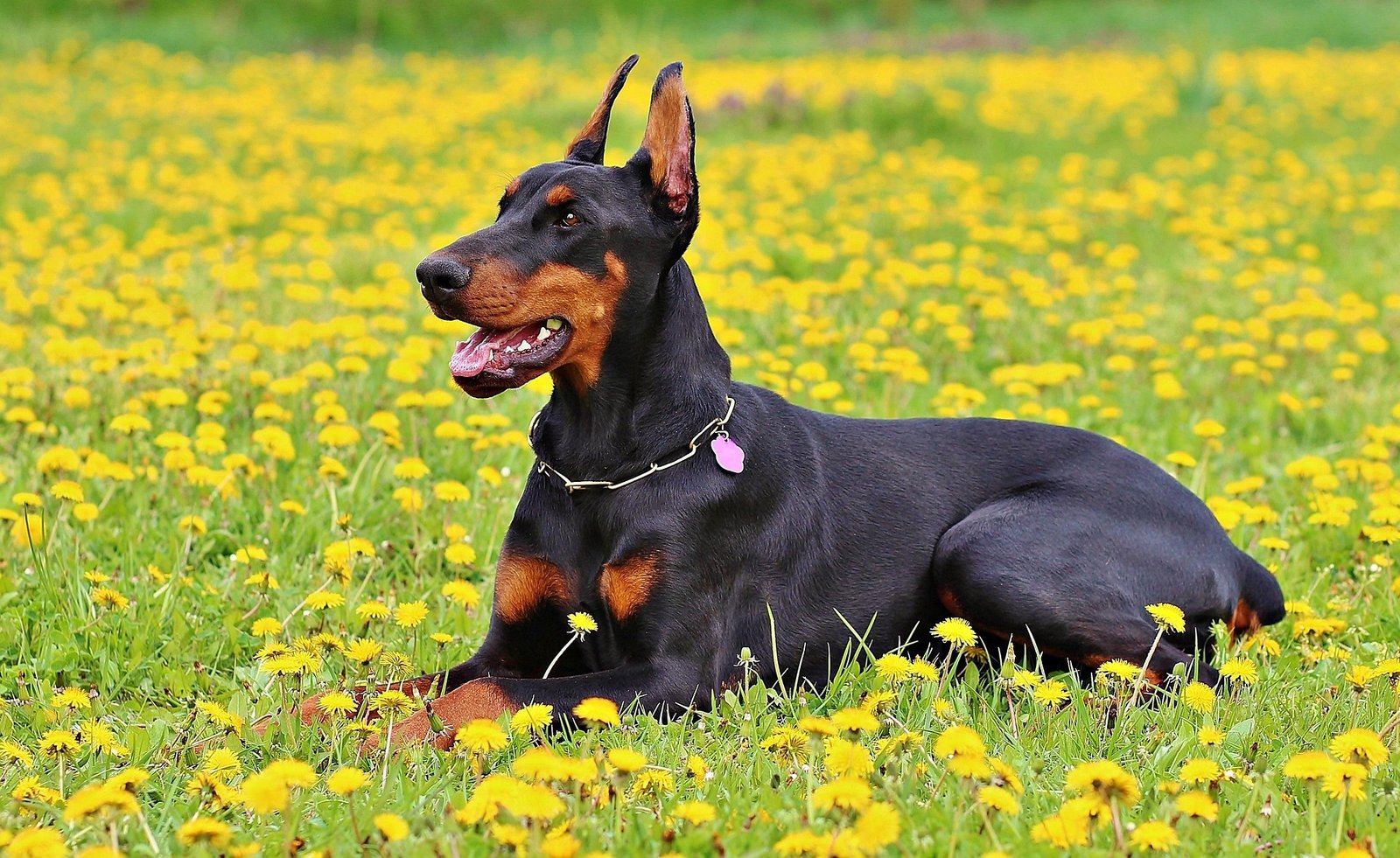
Bloat, technically called Gastric Dilatation‑Volvulus (GDV) is a fast‑moving, often fatal condition that strikes without warning. It happens when a dog’s stomach fills with gas, food, or fluid and then twists, cutting off blood flow and trapping everything inside. Once that twist occurs, things escalate quickly, making GDV one of the most urgent veterinary emergencies a dog can experience.
The scary part is that GDV can progress from mild discomfort to life‑threatening shock in minutes. With early recognition and prevention strategies, dog owners can dramatically improve their dog’s chances of survival.
What Causes Bloat?
While the exact cause isn’t fully understood, veterinarians agree on several common risk factors:
Eating Large Meals Too Quickly
Dogs who gulp down food are more likely to swallow excess air, increasing stomach expansion.
Exercising Right After Meals
Running, playing, or roughhousing immediately after eating can contribute to stomach movement and twisting.
Family History
Genetics play a role. Dogs with close relatives who’ve had GDV are at higher risk.
Stress
Anxious or high‑stress dogs may be more prone to developing bloat. If your dog has separation anxiety, leave a TV or the radio on and make sure your pet has access to their favorite toys.
Body Type
Large, deep‑chested breeds like the American Bully, Bulldogs, and Great Danes are statistically more likely to experience GDV.
What is Bloat So Dangerous?
When the stomach twists, it blocks both the entrance and exit, meaning nothing can move in or out. Pressure builds, blood flow is restricted, and toxins begin to circulate. Without immediate veterinary care, the condition can be fatal.
Large and deep‑chested breeds like Great Danes, Dobermans, Weimaraners, and German Shepherds are at the highest risk, but any dog can develop bloat.
Early Warning Signs You Should Never Ignore
GDV often develops without warning, but dogs do show early symptoms. If you notice any of these signs, especially after eating, treat it as an emergency:
- Excessive drooling
- Restlessness or pacing
- Looking uncomfortable or anxious after eating
- Trying to vomit but nothing comes out
- A swollen or tight belly
- Rapid breathing or signs of pain
These symptoms can appear suddenly and worsen fast. Immediate veterinary care is the only safe response.
What To Do If You Suspect Bloat
If your dog shows symptoms of GDV, go to an emergency vet immediately. Do not wait to see if it passes. GDV requires:
- Rapid stabilization
- Stomach decompression
- Emergency surgery to untwist the stomach
- A procedure called gastropexy, which tacks the stomach in place to prevent future twisting.
Fast action can be the difference between life and death.
How to Reduce Your Dog's Risk
Unfortunately, you can’t prevent every case, but you can lower the odds. These products and habits are excellent additions to your dog‑care routine.
Slow‑Feeder Bowls
Encourage slower eating and reduce air intake.
Multiple Small Meals
Feed 2–3 smaller meals instead of one large one.
Stress‑Reducing Tools
Calming beds, lick mats, and enrichment toys help lower anxiety.
No Exercise Before or After Meals
Give your dog at least one hour of rest after eating. After your dog finishes their food, get them to sit or lay at your side to relax while their food is digesting.
Final Thoughts
Bloat (GDV) is terrifying, fast‑moving, and deadly. It is more survivable when dog owners know the signs and act quickly. By understanding the risks, watching for early symptoms, and making a few smart lifestyle adjustments, you can dramatically reduce the chances of this emergency ever happening to your dog.
Veterinary Resources on Bloat (GDV)
- American College of Veterinary Surgeons (ACVS) – Detailed, surgeon‑reviewed overview of GDV, including causes, symptoms, emergency treatment, and preventive gastropexy. https://www.acvs.org/small-animal/gastric-dilatation-volvulus
Cornell University College of Veterinary Medicine – Veterinary‑authored explanation of bloat, risk factors, early warning signs, and treatment options. https://www.vet.cornell.edu/departments-centers-and-institutes/cornell-feline-health-center/health-information/dog-health/bloat
Tufts University Cummings School of Veterinary Medicine – Expert insights on GDV risk in large and deep‑chested breeds, symptom progression, and prevention strategies. https://vet.tufts.edu/your-dog/health-and-care/bloat-gdv
Veterinary Partner (VIN) – Vet‑reviewed articles explaining how bloat develops, early symptoms, risk factors, and what owners should do in an emergency. https://veterinarypartner.vin.com/default.aspx?pid=19239&id=4951452
AKC Canine Health Foundation – Research‑based information on GDV risk factors, breed predisposition, and ongoing studies into prevention. https://www.akcchf.org/canine-health/top-health-concerns/bloat-gdv/