Which Large Dog Breeds Are Most at Risk for Dilated Cardiomyopathy?

Dilated cardiomyopathy (DCM) is one of the most serious heart diseases affecting large and giant breed dogs. The condition causes the heart muscle to become thin and weakened, making it harder for the heart to pump blood effectively. Over time, this can lead to congestive heart failure, abnormal heart rhythms, and, in some cases, sudden death.
While any dog can develop DCM, certain breeds have a significantly higher risk due to inherited genetic factors. If you own one of these breeds, understanding the warning signs and scheduling regular veterinary screenings can make a tremendous difference.
Why Are Some Breeds More Susceptible?
Researchers have identified genetic mutations in several breeds that increase the likelihood of developing DCM. Although nutrition and overall health can influence heart function, genetics remain the strongest risk factor in most predisposed breeds.
Other factors that may contribute include:
- Age (typically middle-aged to older dogs)
- Male dogs may have a higher risk in some breeds
- Family history
- Certain nutritional deficiencies (less common today but still possible)
Doberman Pinscher
Common Signs
- Exercise intolerance
- Weakness
- Collapse
- Rapid breathing
- Sudden death from arrhythmias
Veterinary Recommendations
Many cardiologists recommend annual:
- Echocardiograms
- 24-hour Holter monitor testing
- Cardiac blood tests when appropriate

Great Dane
Genetics likely play a significant role, although researchers continue studying the exact inheritance patterns.
Early Symptoms
Owners may notice:
- Reduced stamina
- Slower walks
- Heavy breathing
- Occasional coughing
- Weight loss
Because Great Danes often remain active despite heart disease, subtle behavioral changes should never be ignored.

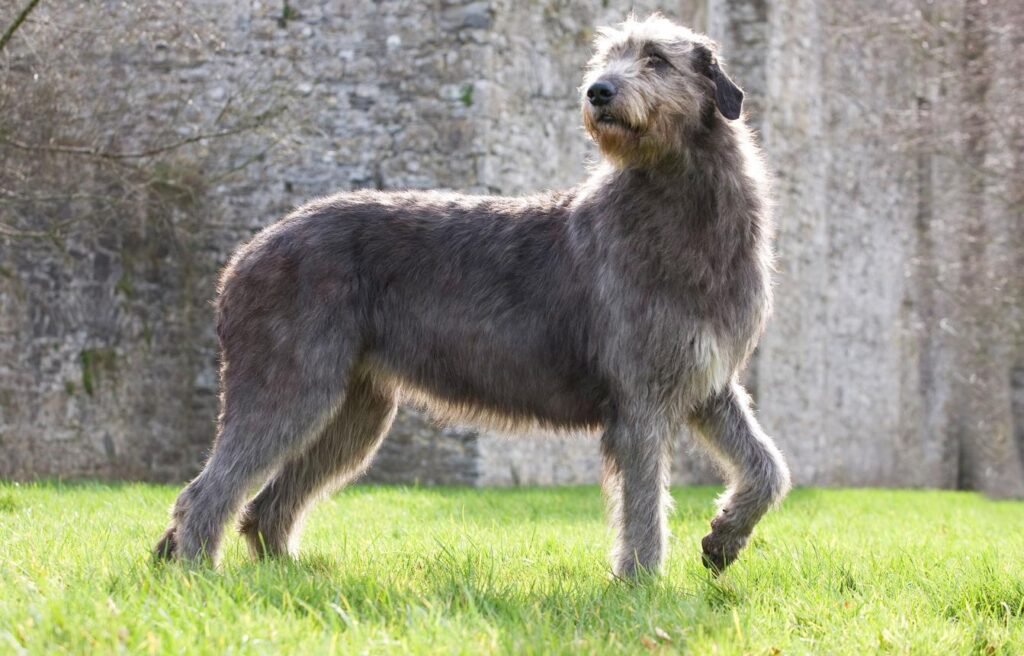
Irish Wolfhound
- Dilated cardiomyopathy
- Atrial fibrillation
- Congestive heart failure
In some dogs, abnormal heart rhythms appear before structural heart changes are visible.
Routine ECG monitoring is often recommended beginning in middle age.
Boxer
Symptoms may include:
- Fainting
- Irregular heartbeat
- Exercise intolerance
- Sudden collapse
Because arrhythmias may occur long before heart enlargement develops, Holter monitoring is frequently recommended for Boxers.

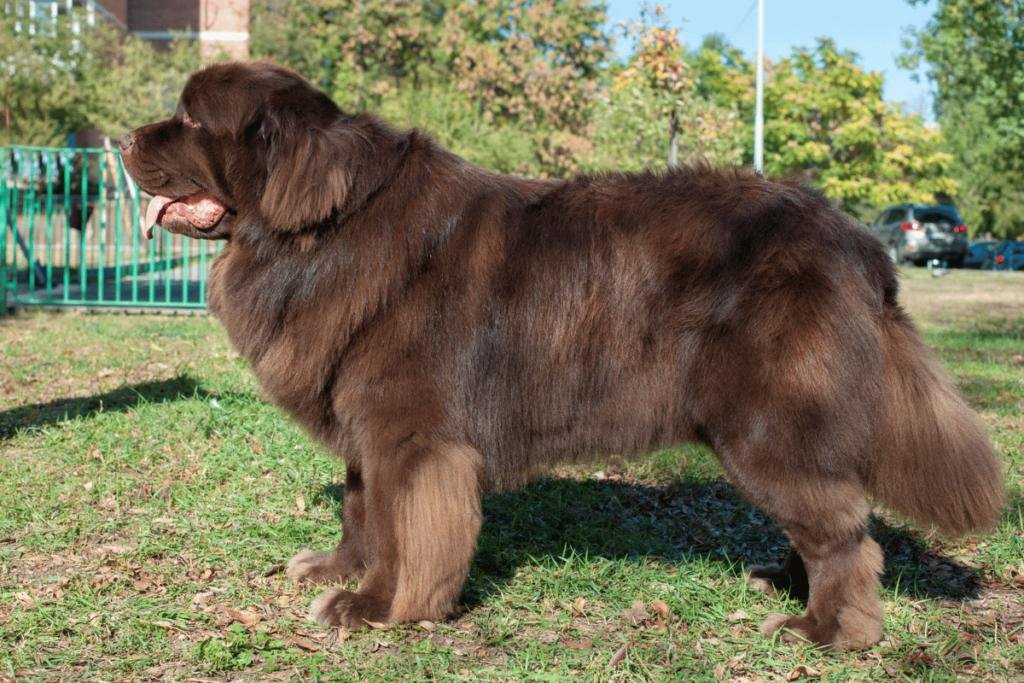
Newfoundland
Owners should watch for:
- Fatigue
- Difficulty exercising
- Labored breathing
- Coughing
- Swollen abdomen
Regular veterinary examinations become increasingly important as Newfoundlands age.
St. Bernard
Signs include:
- Slower walks
- Reluctance to climb stairs
- Heavy panting
- Weakness
- Loss of endurance

Does Genetics Mean Your Dog Will Develop DCM?
Fortunately, no it does not. Having a genetic predisposition does not guarantee that a dog will develop dilated cardiomyopathy.
Genetics increase the risk, but there are several factors that influence whether the disease develops, including:
- Overall health
- Responsible breeding practices
- Early detection
- Regular veterinary care
- Prompt treatment if abnormalities are found
Dogs diagnosed before symptoms appear often have better outcomes than those diagnosed after heart failure develops.
Can You Prevent DCM?
Inherited DCM cannot always be prevented, but owners can reduce the impact through early detection.
Schedule Regular Heart Screenings
High-risk breeds benefit from:
- Annual wellness exams
- Echocardiograms
- Electrocardiograms (ECGs)
- Holter monitoring when recommended
- Blood pressure checks
- Cardiac biomarkers when appropriate
Feed a Complete, Balanced Diet
Most dogs should eat a diet that meets recognized nutritional standards for their life stage. Speak with your veterinarian before making major dietary changes or adding supplements, especially if your dog has a known heart condition.
Know Your Dog’s Family History
Responsible breeders often screen breeding dogs for inherited heart disease and maintain health records for related dogs.
Warning Signs That Need Immediate Veterinary Care
Contact your veterinarian immediately if your dog experiences:
- Collapse
- Fainting
- Difficulty breathing
- Persistent coughing
- Blue or pale gums
- Extreme weakness
- Sudden inability to exercise
These symptoms can indicate advanced heart disease and require immediate medical attention.
Final Thoughts
Dilated cardiomyopathy is one of the most significant inherited diseases affecting large and giant breed dogs. Doberman Pinschers, Irish Wolfhounds, Great Danes, Boxers, Newfoundlands, and Saint Bernards all have elevated risk, although the degree of risk varies by breed.
There are advances in veterinary cardiology that allow many dogs to be diagnosed before they show symptoms. If your dog belongs to a high-risk breed, regular heart screenings, routine veterinary care, and prompt attention to subtle changes in activity or breathing can help detect problems early and improve quality of life.
Trusted Resources
American College of Veterinary Internal Medicine. (2023). Consensus recommendations for the diagnosis and management of dilated cardiomyopathy in dogs.
American Kennel Club. (2024). Health concerns in large and giant dog breeds.
Merck Veterinary Manual. (2024). Dilated cardiomyopathy in dogs.
Tufts University Cummings School of Veterinary Medicine. (2024). Canine heart disease and dilated cardiomyopathy.
American Veterinary Medical Association. (2024). Heart disease in dogs.