Spotlight: American Bully
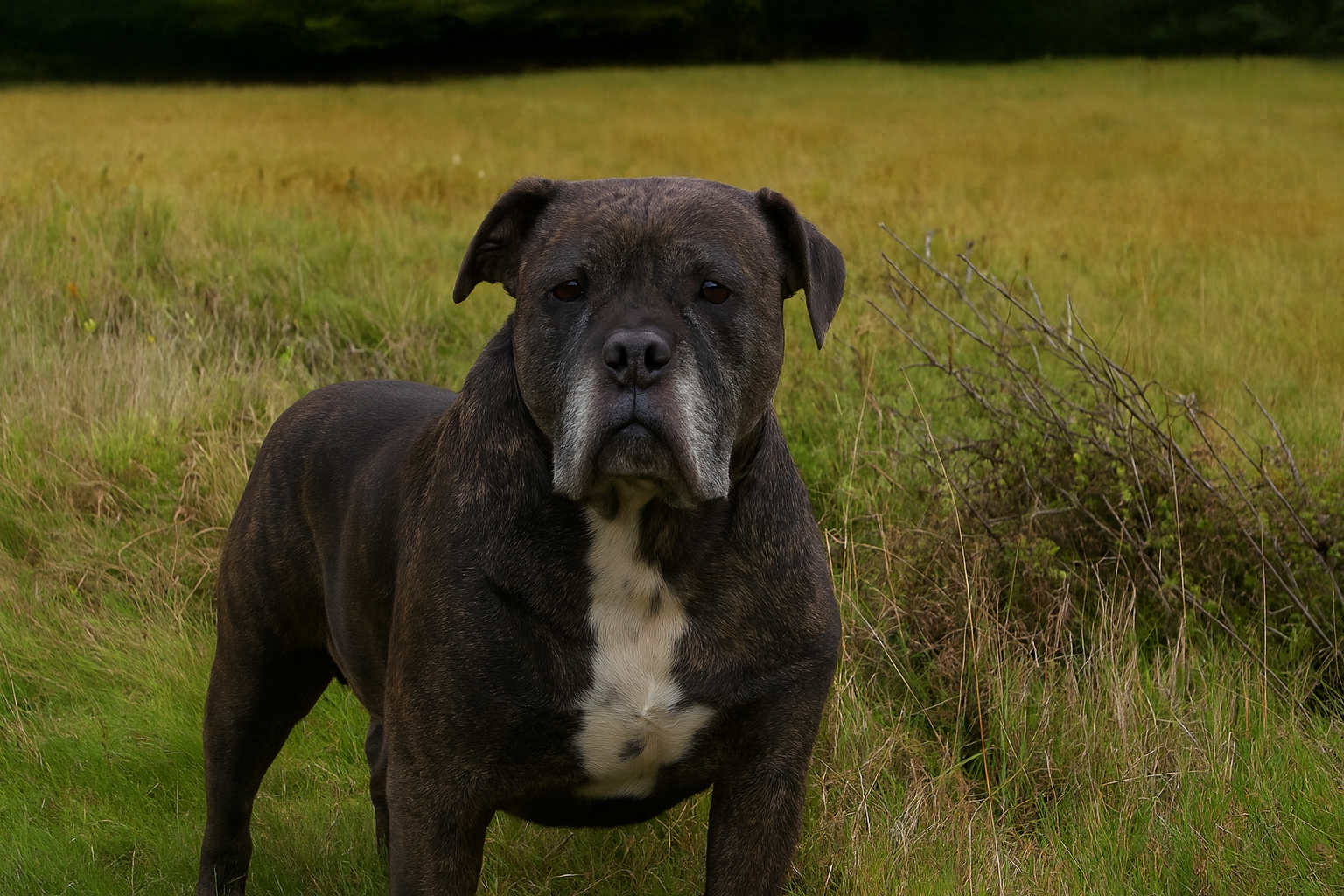
The American Bully might look like a newer breed, but its story has deep roots in American dog culture. Over the last few decades, this breed has grown from a small community favorite to a worldwide companion dog loved for its loyalty, strength, and surprisingly gentle nature.
For many people, the American Bully is still a bit of a mystery. I’ll admit, I was one of them. When we received our American Bully as an 8‑month‑old puppy from a family member, I was not sure what to expect other than being told “he was very affectionate.” He looked a bit like a bulldog but without the droopy mouth, with a stocky build and a confident stance that made him seem tough and powerful. I wasn’t familiar with the breed at all, and like many new owners, I had additional questions about his overall temperament, his needs, and what made this breed so unique.
What I learned is that the American Bully is full of surprises. Behind the muscular frame is a dog that’s affectionate, people‑oriented, and deeply loyal. Understanding where this breed came from and how it developed into the companion dog we know today helps explain why American Bullies are winning hearts everywhere.
If you’re curious about where the American Bully came from, here’s the history behind this remarkable dog.
Origins
The American Bully was developed in the United States during the 1990s, with breeders in the United States who were working to establish a new type of companion-focused bully breed.
The Bully is a breed primarily from the American Pit Bull Terrier and the American Staffordshire Terrier, which were selectively bred to create a dog with the muscular, confident look but with a calmer temperament.
While the American Pit Bull Terrier was historically bred for work and in later times for dog fighting, the American Bully had a very different purpose.
Breeders intentionally shaped the American Bully to be a companion dog. A dog known for loyalty, stability, and suitability for family life rather than for performance or aggression.
A reinvented breed was formed with the purpose of being the ultimate companion breed, called the “American Bully.”


Refining the Breed
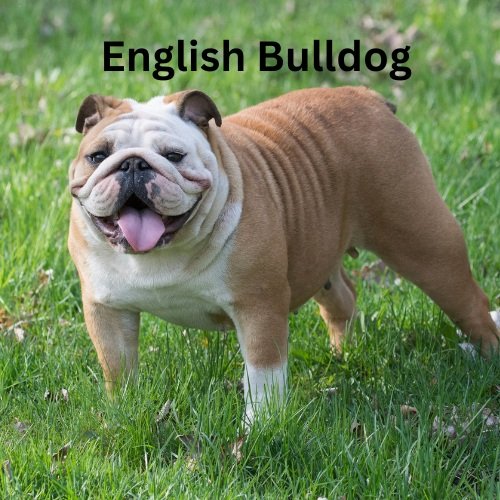
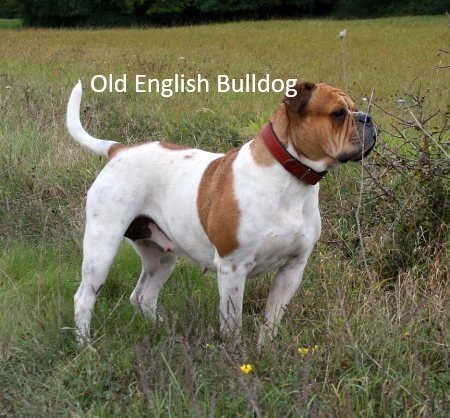
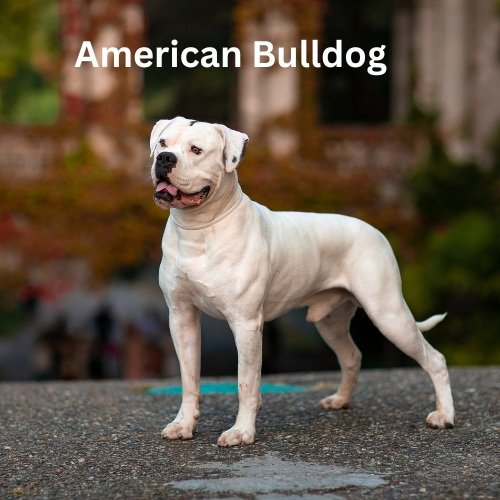
To achieve the look and personality they wanted, breeders introduced other bulldog-type breeds into the mix, such as:
English Bulldog
Old English Bulldog
American Bulldog
These additions gave the American Bully its stockier build, wider chest, and that classic “block-shaped” head.
Recognition and Growth
Because the American Bully is a mix of more than one breed and not considered a purebred, they are not recognized by the American Kennel Club (AKC). The AKC standard for each breed originates with what is called a “parent club,” which is the AKC-recognized national club devoted to a particular breed. There are over 300 dog breeds known throughout the world, however, the American Kennel Club only recognizes 200 breeds.
In 2004, the American Bully Kennel Club (ABKC) was founded to give the breed a standard and community of its own.This organization is not for Bullies alone. It is considered a multi breed registry specializing in Bully breeds such as the Boxer and Cane Corso.
On July 15, 2013 the United Kennel Club (UKC), recognized the breed. Today, Bullies are registered worldwide and are steadily gaining popularity, especially in Europe and Asia.
In March 2015, dogs that exhibited the physical characteristics unique to the American Bully breed, or being bred from brood stock that consistently produce dogs with these unique physical characteristics, are being registered with the American Dog Breeders Association Inc.(ADBA) as the American Bully.
Different Classes of Bullies
As the breed developed, different sizes developed. According to the ABKC, the American Bully comes in four main classes:
Pocket – Shorter in height but still muscular, less than 17 inches high, a shorter version to the standard.
Standard – The foundation of the breed, well-balanced in size and build.
Classic – Slightly lighter frame, less bulky than the Standard.
XL – The largest class, towering in size but still bred to be gentle.
Despite the size differences, the breed standard emphasizes temperament. Bullies should be social and good-natured companions.
Dangerous Breed
Although, the Bully has been bred to have a mild temperment, other countries outside of the US consider the American bully a dangerous dog.
- Turkey – it is illegal to own an American Bully.
- United Arab Emirates – prohibits the possession of the American Bully for individuals and businesses.
- United Kingdom – the American Bully was added to the Dangerous Dog Act 1991 in January 2024.
- Germany – prohibits the import or transfer of certain dogs including the American Staffordshire Terrier, Bull Terrier, Pit Bull Terrier and Staffordshire Bull Terrier, as well as crossbreeds and mixed-breeds of these dogs.
Any dog can display aggressive behavior or become aggressive due to neglect, abuse or improper training, however, it is not characteristic of this breed to display aggressive tendencies.
The True Spirit of the Bully
In the right home, the American Bully can be considered the ideal dog. A companion that’s strong but gentle, powerful, yet affectionate. These dogs are built for human connection rather than competition, which is not saying that they can not compete. The UKC and the ABKC hosts dog shows for bully breeds all over the world.
These dogs thrive in homes where love and loyalty matter the most. Whether curled up beside you or standing watch at the door, the American Bully brings heart, stability, and a whole lot of personality to family life. They have earned their place not just in backyards and living rooms, but in the hearts of those who know them best.