Spotlight: American Pit Bull Terrier
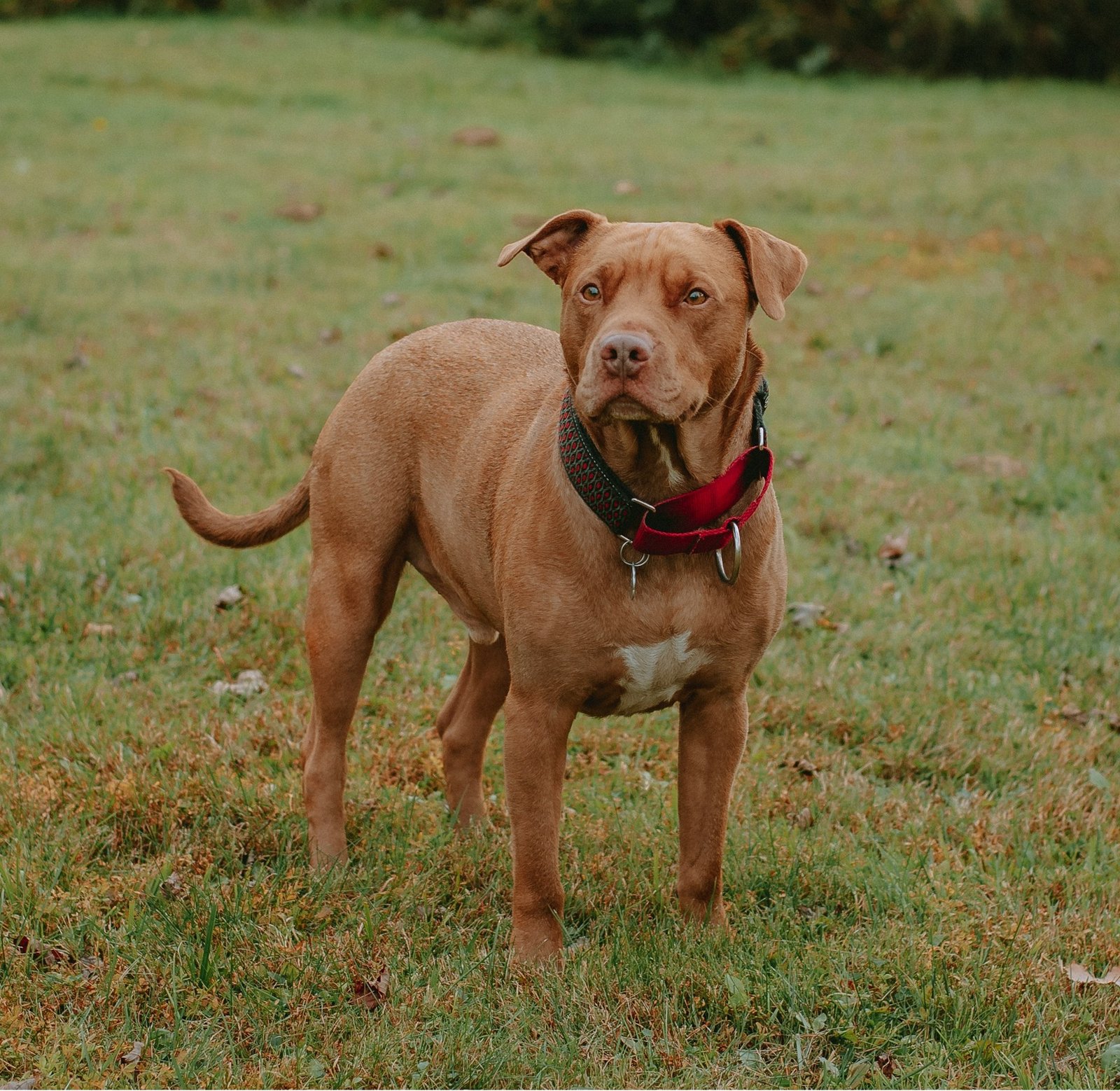
The American Pit Bull Terrier, better known as a Pit Bull, is one of the most misunderstood dogs around. Despite their bad reputation for being very aggressive, Pit Bulls can be affectionate, playful, loyal, and incredibly devoted to their families.
Strong, athletic, and full of personality, they can make wonderful companions for the right owner. But their strength and energy also mean they need consistent training, proper socialization, exercise, and responsible handling.
If you’re considering a Pit Bull, there’s much more to this breed than the stereotypes.
AT A GLANCE
Breed: American Pit Bull Terrier
Origin: United States
Size: Medium-sized, muscular breed
- Male Pit Bulls: Weigh 35 to 60 pounds and stand 18 to 21 inches tall.
- Female Pit Bulls: Weigh 30 to 50 pounds and stand 17 to 20 inches tall.
Life Expectancy: Approximately 10–14 years
Energy Level: High
Coat: Short and smooth
Grooming: Low maintenance
Temperament: Affectionate, energetic, confident, and people-oriented
Best For: Active owners and families prepared to provide training, exercise, and socialization.
HISTORY
The Pit Bull was developed in the United States, but its roots go back to the British Isles.
During the 19th century, dog enthusiasts in England, Ireland, and Scotland began crossing Bulldogs with Terriers. The goal was to combine the Bulldog’s strength and athleticism with the Terrier’s determination, agility, and gameness. These early crosses became known as Bull-and-Terrier dogs.
The resulting dogs were strong, athletic, courageous, and determined. At the same time, they were valued for their ability to form strong bonds with the people who cared for them.
Immigrants eventually brought these Bull-and-Terrier dogs to the United States. Here, the dogs continued to develop and became known for their versatility. They were used for farm work, hunting, catching livestock, guarding property, and companionship. Some were also unfortunately used in dog fighting, which became part of the breed’s history and continues to influence how Pit Bulls are perceived today.
As the dogs became established in America, different breeding lines developed and the Pit Bull became recognized as a distinct type of dog. Their strength, athleticism, determination, and loyalty made them useful working dogs as well as companions.
Today, Pit Bulls participate in activities such as obedience, agility, weight-pulling, and other canine sports, while many simply enjoy life as active family companions.
TEMPERAMENT
Pit Bulls are often affectionate, energetic, and eager to interact with their people.
Many are extremely people-oriented and enjoy being close to their families. Don’t be surprised if your Pit Bull thinks personal space is optional!
They can also be playful and surprisingly goofy. Their muscular appearance can make them look intimidating, but many individual dogs are affectionate attention-seekers at home.
That doesn’t mean every Pit Bull will have the same personality. Some may be more reserved around strangers, while others seem convinced that everyone they meet is their new best friend.
Another important consideration is their relationship with other animals. Some Pit Bulls are wonderful with other dogs, while others may have a strong tendency toward aggression against dogs.
Because of thegs. breed’s strength, responsible socialization and management are especially important.
ARE PIT BULLS GOOD FAMILY DOGS?
Pit Bulls can make a wonderful family dog in the right home. Their affectionate nature and desire to be around their people can make them engaging companions. Many enjoy playing with their families and being part of everyday household activities.
However, they’re not necessarily the right choice for every family.
Young children should always be supervised around dogs, regardless of breed. This isn’t because Pit Bulls are automatically dangerous. It’s simply good dog ownership. A strong, energetic dog can accidentally knock over a small child during play just as easily as any other powerful breed.
Children should also be taught how to interact appropriately with dogs. Families should consider the individual dog’s temperament, energy level, training, and history rather than assuming that every Pit Bull will behave the same way.
TRAINING A PIT BULL
Training should start early and continue throughout the dog’s life.
Pit Bulls are intelligent and athletic dogs, but they can also be strong-willed. Allowing unwanted behaviors to become habits can make them much harder to manage later. Keep training consistent and reward the behaviors you want to see.
These basic skills can make everyday life much easier:
- Sit
- Stay
- Come
- Leave it
- Drop it
- Loose-leash walking
- Waiting at doors
- Settling calmly in the house
Because these dogs are strong for their size, leash manners are particularly important. A dog that pulls, lunges, or becomes overly excited can be difficult to physically control.
Training isn’t about dominating your dog. It’s about teaching your dog how to successfully navigate the world around them.
EXERCISE NEEDS
Pit Bulls are athletic dogs and generally need more than a quick trip around the block.
Daily exercise can include:
- Brisk walks
- Fetch
- Tug
- Hiking
- Running
- Agility
- Obedience training
- Interactive games
Mental stimulation is just as important as physical exercise.
Training sessions, puzzle toys, games, and activities that require your dog to think can help prevent boredom. A bored Pit Bull can become a creative Pit Bull and that’s not always a combination you or your furniture will appreciate.
The amount of exercise your dog needs will depend on age, health, personality, and individual energy level.
SOCIALIZATION
Early socialization is very important for Pit Bulls.
A well-socialized dog should have opportunities to experience different people, environments, sounds, surfaces, and situations in a positive and controlled way. But socialization doesn’t mean your dog needs to love every person or every animal they encounter.
It’s also important to recognize that socialization and temperament are not the same thing. Some Pit Bulls may become very social with people but still prefer not to interact with unfamiliar dogs.
Learning your individual dog’s body language and respecting their limits can prevent many problems.
GROOMING
One of the easier things about living with a Pit Bull is grooming. Their short, smooth coat doesn’t require complicated grooming routines.
Regular brushing can help remove loose hair and keep the coat looking healthy. Even though their coat is short, however, don’t assume they don’t shed. Pit Bulls can leave plenty of short hairs around the house.
Routine care should also include:
- Nail trimming
- Dental care
- Ear checks
- Occasional bathing
- Regular inspection of the skin and coat
Starting these routines when your dog is a puppy can make grooming much easier as they get older.
HEALTH CONCERNS
Like all breeds, Pit Bulls can be affected by certain health conditions.
Potential concerns can include hip dysplasia, allergies and skin problems, heart disease, and certain inherited or breed-associated conditions. This doesn’t mean that every Pit Bull will develop these problems. Responsible breeding, appropriate nutrition, maintaining a healthy weight, regular veterinary care, and paying attention to changes in your dog’s behavior or mobility can all contribute to their overall well-being.
If you’re getting a puppy, choosing a responsible breeder who health tests breeding dogs can also help reduce the risk of passing on certain inherited problems.
WHAT'S IT LIKE LIVING WITH A PIT BULL
Living with a Pit Bull can be a lot of fun.
They’re often affectionate dogs that want to be involved in family life. Many are playful, energetic, and enthusiastic about activities with their people. They are also strong.
That strength is something owners need to respect. A poorly trained or poorly managed Pit Bull can be much harder to control than a smaller dog exhibiting the same behavior.
You probably encounter people who have preconceived ideas about your dog simply because of its appearance or breed. Breed-specific restrictions can also exist in certain communities, housing situations, or insurance policies.
Before bringing an Pit Bull, it’s worth checking the rules where you live.
IS A PIT BULL RIGHT FOR YOU?
A Pit Bull may be a good fit if you want a dog that is:
- Affectionate and people-oriented
- Athletic and energetic
- Playful
- Intelligent and trainable
- Medium-sized but very strong
- Happy to participate in family activities
You should also be prepared for:
- Daily exercise
- Consistent training
- Early and ongoing socialization
- The possibility that your dog may not be comfortable with every other dog
- Potential breed restrictions depending on where you live
They’re not a breed I would recommend choosing based solely on appearance.
That muscular build may be what catches your eye, but it’s their energy, strength, personality, and training needs that will determine whether they fit your lifestyle.
FINAL THOUGHTS
The Pit Bull is much more than the reputation that often surrounds the breed.
These dogs can be affectionate, playful, athletic, and devoted companions when responsibly bred or adopted, properly socialized, trained, and cared for.
At the same time, responsible owners shouldn’t ignore the breed’s strength or individual temperament. A good owner understands their dog’s personality, provides appropriate structure, and doesn’t put the dog in situations they aren’t prepared to handle.
Look beyond the stereotypes and the cute face. Before bringing one home, make sure you’re prepared for the dog you’re actually getting.
TRUSTED RESOURCES
American Kennel Club. (n.d.). American Staffordshire Terrier. https://www.akc.org/dog-breeds/american-staffordshire-terrier/
United Kennel Club. (n.d.). American Pit Bull Terrier. https://www.ukcdogs.com/american-pit-bull-terrier
American Veterinary Medical Association. (n.d.). Dog bite prevention. https://www.avma.org/resources-tools/pet-owners/dog-bite-prevention
American Society for the Prevention of Cruelty to Animals. (n.d.). Dog behavior and training. https://www.aspca.org/pet-care/dog-care