Spotlight: Mastiff
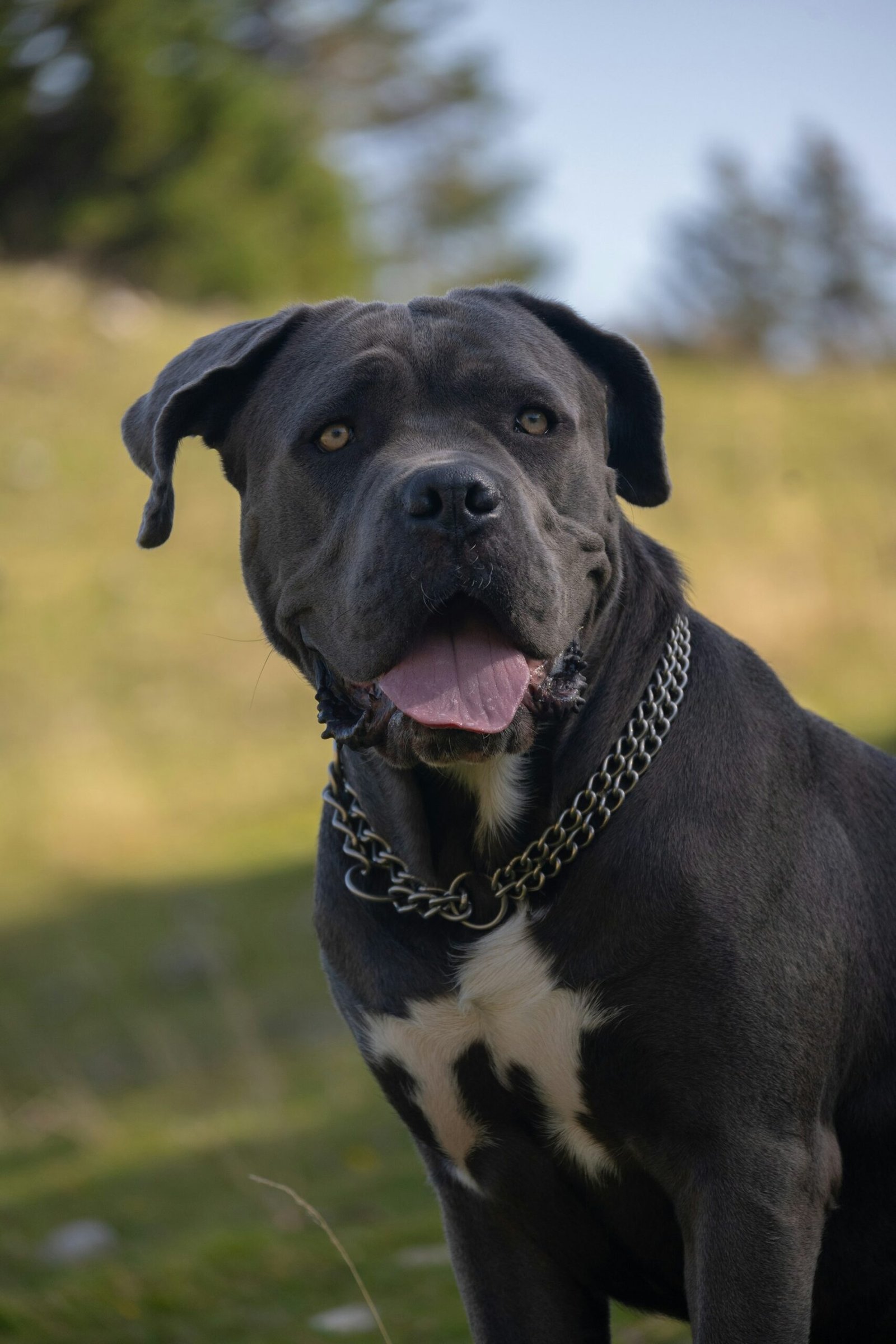
Massive, majestic, and unmistakably gentle, the Mastiff is a breed that commands attention without ever needing to raise its voice. These dogs have a presence that fills a room, yet their temperament is famously calm and steady. Originally bred as guardians, they carry themselves with quiet confidence, watching over their families with a mix of devotion and dignity. A Mastiff doesn’t need to prove anything. They simply are, and that’s enough to make you feel safe.
But behind that impressive size is a deeply affectionate companion who thrives on connection. Mastiffs bond hard with their people, often choosing a favorite spot at your feet or leaning in for slow, deliberate affection. They’re thoughtful, observant dogs who prefer peace over chaos, and they mature into wonderfully gentle giants with a soft heart and a surprisingly sensitive nature. Living with a Mastiff means embracing a slower, more intentional rhythm. One filled with loyalty, warmth, and a dog who loves you.
The History of the Mastiff
Few dog breeds carry as much history and legend as the Mastiff. Known for their massive size and gentle yet protective nature, Mastiffs have been around for thousands of years. From guarding ancient kingdoms to becoming beloved family companions, the Mastiff’s journey is one of loyalty, strength, and resilience.
Ancient Roots
The Mastiff isn’t just an old breed, it’s ancient. We’re talking 3,000 to 4,000 years old.
Long before modern dog shows and breed standards, Mastiff-type dogs were already working alongside humans in places like Mesopotamia, Egypt, and across the Mediterranean region. These early giants weren’t lounging on couches, they were hunting, guarding villages, and even going to war.
These dogs were prized for their sheer strength, courage, and loyalty. They stood beside warriors, protected livestock, and guarded property. If something needed defending, a Mastiff-type dog was likely involved.
Over the centuries, these powerful guardian dogs evolved into the Mastiff we recognize today — still large, still brave, but now just as famous for their calm, affectionate nature with family. Their history as protectors is a big reason they’re still known as natural guardians today.
From Battlefields to Estate Guardians
As centuries passed, Mastiffs slowly stepped away from the chaos of war and settled into a new role; household and estate protectors.
In medieval England, these massive dogs became trusted guardians of castles, farmland, and livestock. Their job? Watch everything. Protect everyone.
Honestly, their size alone did most of the talking. A full-grown Mastiff standing at the gate was usually enough to make intruders rethink their life choices. But if a real threat showed up, Mastiffs didn’t hesitate. They were brave, loyal, and deeply committed to the families they guarded.
This is where the Mastiff’s reputation as a devoted protector really took hold. They weren’t just powerful — they were dependable. Calm most of the time, but ready when it mattered.
A Breed Brought Back From the Brink
Like many ancient breeds, the Mastiff didn’t always have an easy road.
After both World Wars, the breed nearly disappeared in England. Food shortages and economic hardship made it incredibly difficult to maintain giant dogs. By the mid-1940s, only a small number of Mastiffs remained.
Thankfully, dedicated breeders refused to let that happen. They worked to rebuild the bloodline, often importing Mastiffs from the United States and Canada to strengthen and restore the breed.
Because of their commitment, the Mastiff made an impressive comeback. Over time, they regained popularity and not just as guardians, but as loyal companions and respected show dogs.
Today’s Mastiff stands as proof of that revival. A breed that survived centuries of change and nearly vanished, only to rise again stronger than before.
Size & Appearance
Mastiffs are one of the largest dog breeds in the world.
Height: 27–30+ inches at the shoulder
Weight: 120–230+ pounds
Build: Massive, muscular, broad-chested
Coat: Short and dense
Colors: Fawn, apricot, brindle (often with a dark mask)
They have a wrinkled forehead, droopy jowls, and a powerful stance. Despite their imposing size, their eyes often give away their softer side.

Temperament: Gentle but Protective
Mastiffs are known as gentle giants for a reason.
They are:
Calm and laid-back indoors
Deeply loyal to their family
Naturally protective
Typically good with children (when properly socialized)
They are not usually aggressive without reason, but they are extremely aware of their surroundings. Their presence alone is often enough to deter strangers.
Early socialization is essential. A well-trained Mastiff should be confident, steady, and controlled — not reactive or fearful.
What It’s Like Living With a Mastiff
Living with a Mastiff means living with a very large shadow.
They love being near their people. Don’t expect them to stay in another room while you relax — they prefer to be right beside you (or on your feet).
However, there are practical realities:
They take up space.
They eat a lot.
They drool — sometimes a lot.
Vet bills, food costs, and supplies are higher than average.
They don’t require extreme exercise, but they do need regular walks and room to move comfortably. Apartment living can work in some cases, but space and strong leash control are important.
Health Considerations
Like many giant breeds, Mastiffs can be prone to certain health concerns, including:
Hip and elbow dysplasia
Bloat (gastric dilatation-volvulus)
Heart conditions
Joint issues
Their lifespan is typically shorter than smaller breeds, often around 6–10 years. Responsible breeding, proper nutrition, and maintaining a healthy weight are especially important for this breed.
Is a Mastiff Right for You?
A Mastiff may be a great fit if you:
Want a loyal, protective companion
Have space for a giant breed
Are comfortable handling a very large dog
Can manage higher food and medical costs
Appreciate a calm, steady personality
They may not be ideal if you prefer a highly active dog, dislike drool, or have limited space and experience.
Final Thoughts
The Mastiff carries thousands of years of history in its massive frame. From ancient battlefields to modern family homes, this breed has always stood as a symbol of strength and loyalty.
They may look intimidating, but at heart, Mastiffs are devoted companions who simply want to protect their family and be part of the pack.
If you’re prepared for the size and responsibility, you’ll gain one of the most loyal guardians you could ever ask for.