Spotlight: Newfoundland Dog
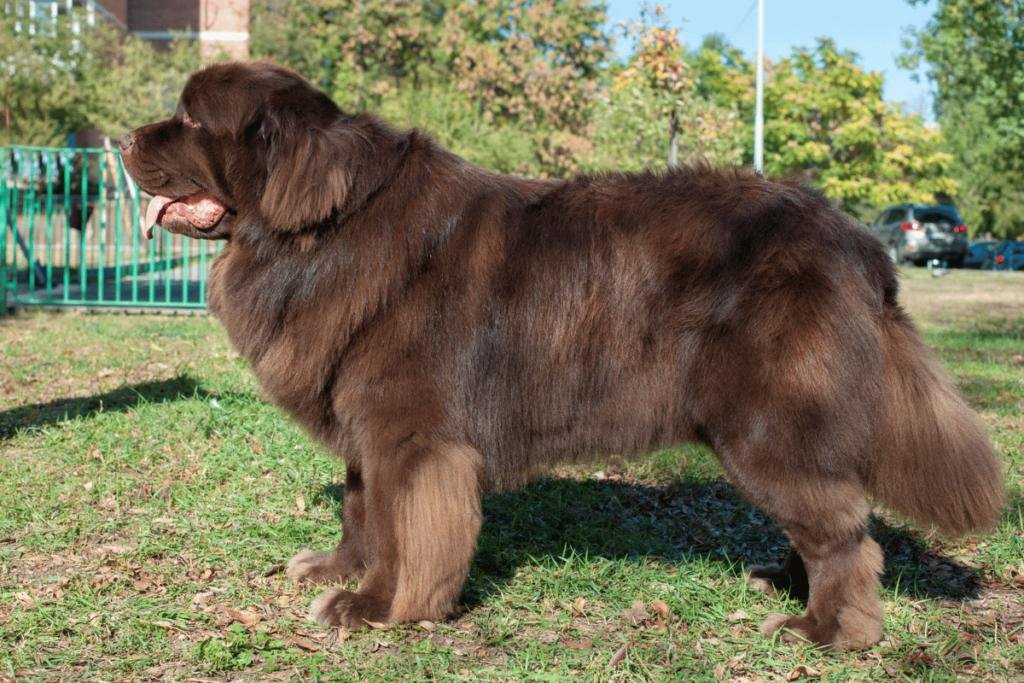
When people think of giant dog breeds, few are as beloved as the Newfoundland. Known for their massive size, calm demeanor, and remarkable swimming ability, Newfoundlands have earned the nickname “gentle giants.” Despite their imposing appearance, these dogs are affectionate family companions that are especially known for their patience with children.
If you’re considering adding a Newfoundland to your family or simply want to learn more about this impressive breed, here’s what you should know.
History of The Newfoundland
The Newfoundland originated on the island of Newfoundland in Canada, where fishermen relied on these powerful dogs to assist with water rescues, pull fishing nets, and haul equipment.
Their natural swimming ability comes from several physical traits:
- Webbed feet
- Powerful muscular build
- Water-resistant double coat
- Exceptional endurance
Over time, the breed became famous for saving people from drowning. Their courage and strength made them invaluable working dogs, and many still participate in water rescue activities today.
Appearance
The Newfoundland is one of the largest dog breeds in the world.
Size
Male Newfoundlands typically weigh between 130 and 150 pounds, while females generally range from 100 to 120 pounds. Some individuals exceed these averages.
Coat Colors
Common coat colors include:
- Black
- Brown
- Gray
- Black and white (Landseer pattern)
Their thick double coat helps protect them in cold water but requires regular grooming throughout the year.
Temperment
One of the breed’s greatest strengths is its personality.
Newfoundlands are known for being:
- Gentle
- Patient
- Affectionate
- Loyal
- Calm
- Protective without being aggressive
Because of their sweet nature, they are often considered one of the best large dog breeds for families.
Many owners describe their Newfoundland as a giant teddy bear that wants to be close to its people at all times.
Good With Children
The Newfoundland has earned the nickname “nanny dog” due to its reputation for being exceptionally gentle around children.
While supervision is always important with any dog, Newfoundlands generally display remarkable patience and tolerance.
Exercise Needs
Despite their large size, Newfoundlands are not high-energy dogs.
Most require:
- Daily walks
- Moderate play sessions
- Opportunities for swimming when available
Excessive exercise should be avoided in growing puppies because giant breeds are prone to orthopedic problems. Adult Newfoundlands are often content with moderate activity followed by plenty of relaxation with their family.
Grooming Needs
Prospective owners should be prepared for significant grooming responsibilities.
Coat Care
A Newfoundland’s thick coat requires brushing several times per week to prevent:
- Mats
- Tangles
- Excessive shedding
During seasonal shedding periods, daily brushing may be necessary.
Drooling
Unlike some large breeds that stay relatively dry-mouthed, Newfoundlands are known droolers.
Owners should expect:
- Drool on clothing
- Wet floors
- Frequent cleaning around food and water bowls
For many Newfoundland enthusiasts, it’s a small price to pay for such a loving companion.
Common Health Concerns
Like many giant breeds, Newfoundlands are predisposed to several health conditions.
Hip Dysplasia
Hip dysplasia occurs when the hip joint develops improperly, leading to pain and arthritis over time.
Signs may include:
- Difficulty standing
- Reluctance to exercise
- Limping
- Reduced mobility
Elbow Dysplasia
Elbow dysplasia affects the elbow joint and can cause chronic lameness and discomfort.
Heart Disease
Newfoundlands have an increased risk of subaortic stenosis (SAS), a hereditary heart condition that can affect blood flow from the heart.
Regular veterinary examinations and cardiac screenings are important.
Gastric Dilatation-Volvulus (Bloat)
Bloat is a life-threatening emergency that affects many deep-chested large breeds.
Symptoms include:
- Distended abdomen
- Restlessness
- Excessive drooling
- Unproductive retching
Immediate veterinary attention is critical.
Arthritis
Due to their large size and weight, many Newfoundlands develop arthritis as they age.
Maintaining a healthy weight and discussing joint supplements with your veterinarian may help support mobility.
Nutrition
Nutrition plays a major role in supporting a giant breed’s health.
Owners should focus on:
- High-quality large-breed dog food
- Controlled growth during puppyhood
- Weight management
- Regular body condition assessments
Rapid growth can increase the risk of orthopedic issues, making proper nutrition especially important during the first two years of life.
Is a Newfoundland Right for You?
A Newfoundland may be a great fit if you:
- Want a calm, affectionate companion
- Have enough space for a giant breed
- Can commit to regular grooming
- Don’t mind drool
- Want a dog that is excellent with families
A Newfoundland may not be the best choice if you:
- Prefer a low-maintenance coat
- Live in a very warm climate
- Have limited space
- Want a highly athletic running partner
- Don’t like drool
Final Thoughts
The Newfoundland combines tremendous size with an exceptionally gentle heart. Their loyalty, patience, and loving nature make them one of the most admired giant dog breeds in the world. While their grooming requirements and health considerations require commitment, many owners believe the breed’s affectionate personality makes every bit of effort worthwhile.
For families seeking a calm, devoted companion, the Newfoundland remains one of the finest examples of a true gentle giant.
Trusted Resources
American Kennel Club. (n.d.). Newfoundland. Retrieved from https://www.akc.org
Newfoundland Club of America. (n.d.). Breed information and health resources. Retrieved from https://www.ncanewfs.org
American Veterinary Medical Association. (n.d.). Large breed dog health considerations. Retrieved from https://www.avma.org
PetMD. (n.d.). Newfoundland dog breed information. Retrieved from https://www.petmd.com
VCA Animal Hospitals. (n.d.). Newfoundland breed profile. Retrieved from https://vcahospitals.com