Spotlight: Rottweiler
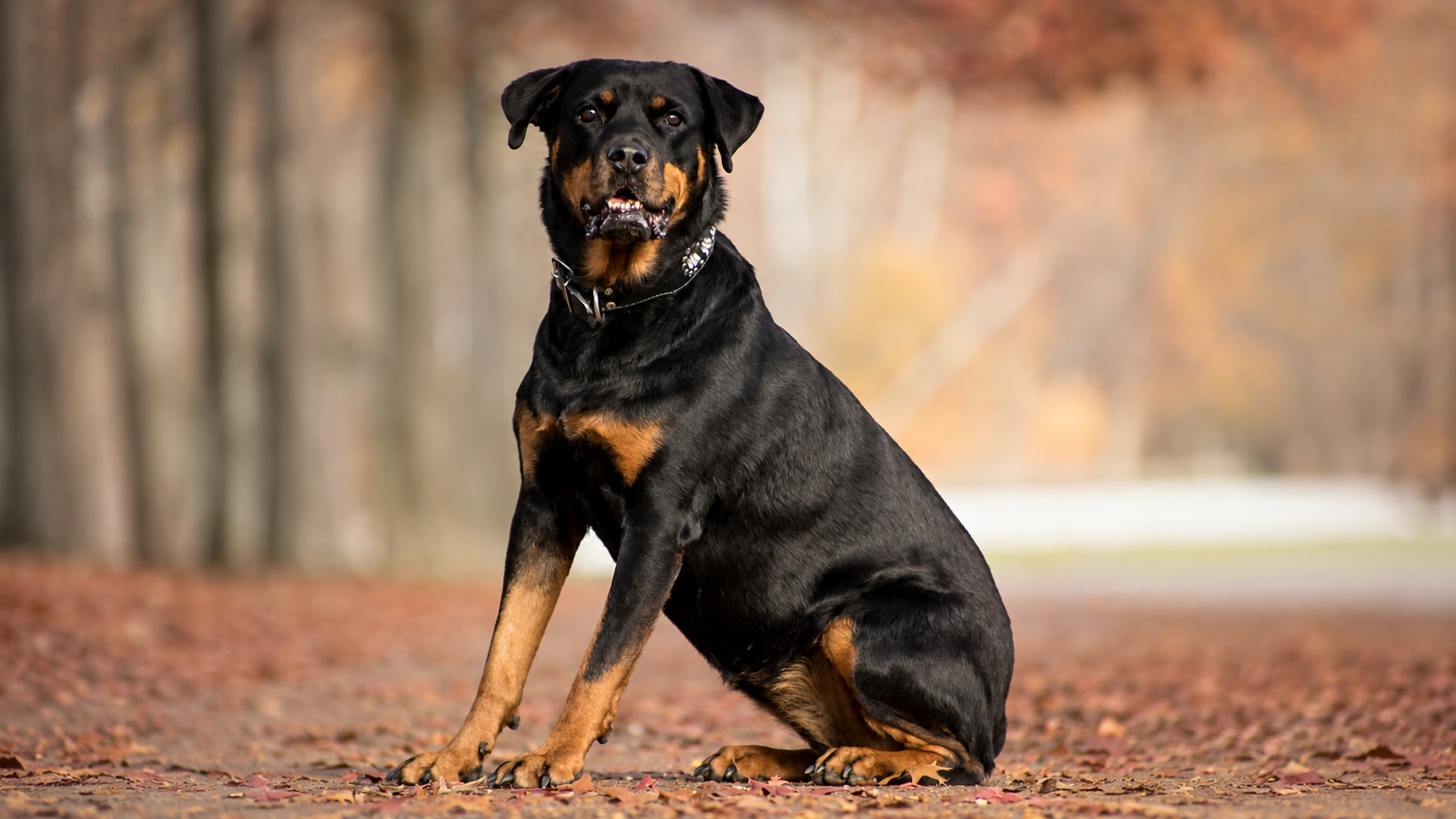
The Rottweiler is one of those breeds that tends to make an impression. Strong, muscular, and confident, these dogs have a reputation for being serious protectors and they certainly can be. But spend some time with a well-socialized Rottweiler and you’ll quickly see that there’s much more to this breed than its tough exterior.
Rottweilers are loyal, intelligent, and devoted to their families. They can be calm and surprisingly affectionate with the people they know and trust. At the same time, their natural protective instincts mean they need early socialization, consistent training, and an owner who understands how to handle a powerful dog.
If you’re considering adding a Rottweiler to your family, here’s what you should know about this impressive breed.
Rottweiler at a Glance
- Size: 22–27 inches
- Weight: 80–135 pounds
- Lifespan: Approximately 9–10 years
- Coat: Short, dense, double coat
- Color: Black with rust, tan, or mahogany markings
- Temperament: Loyal, confident, calm, courageous, and protective
- Energy Level: Moderate to high
- Best For: Active families who are willing to provide training, socialization, and plenty of companionship
These are large, muscular dogs with a broad, blocky head, strong jaws, and a powerful build. Their short, dense double coat is predominantly black with clearly defined rust, tan, or mahogany markings.
Male Rottweilers typically stand between 24 and 27 inches tall and weigh around 95 to 135 pounds. Females are generally a little smaller, standing about 22 to 25 inches and weighing approximately 80 to 105 pounds.
That size and muscular build are part of what makes the breed so impressive—but they’re also why training and good manners are especially important. A 100-pound dog who doesn’t understand basic commands can be a handful, even when he’s friendly.
The Rottweiler's History
The Rottweiler’s history goes back much further than the modern family dog you see today.
The breed developed in Germany and takes its name from the town of Rottweil. Their ancestors are believed to have descended from mastiff-type dogs that accompanied Roman legions.
Eventually, these hardworking dogs became associated with butchers in the region and were known as Metzgerhunds, or butcher’s dogs. They were more than guard dogs. They were working dogs that helped drive livestock, pull carts, and protect their owners and their money.
Today, Rottweilers can be found working in roles including police and protection work, search and rescue, and other jobs. Just as importantly, many spend their days doing something much less dramatic: hanging out with their families.
What's a Rottweiler's Temperament Like?
Rottweilers are often described as calm, confident, courageous, and loyal. They tend to form strong bonds with their families and usually want to know what’s going on around the house.
They’re also naturally protective. A Rottweiler may be reserved around strangers rather than immediately greeting everyone as a new best friend. That’s not necessarily a problem, but it’s one reason early socialization is so important.
The American Kennel Club describes the breed as dignified and slow to anger and notes that Rottweilers can be trustworthy around children when raised with them. Their courage and natural guarding instinct are important parts of the breed, but a well-raised Rottweiler should also be able to relax and enjoy being part of the family.
Are Rottweilers Good Family Dogs?
A well-trained and properly socialized Rottweiler can make a wonderful family companion.
They’re generally happiest when they’re included in family life rather than left outside or isolated from everyone. They tend to become deeply attached to their people, and that loyalty is one of the things Rottweiler owners love most about the breed.
Because they’re large and powerful, however, supervision is important around young children. Even a friendly Rottweiler can accidentally knock over and injure a small child during an enthusiastic greeting.
Children should also be taught how to interact appropriately with any dog. Give the dog space when eating or sleeping. As with any breed, individual temperament matters. Responsible breeding, early socialization, training, and the dog’s environment all play a role in how a Rottweiler develops.
Training a Rottweiler
Training must not be optional with a Rottweiler.
Fortunately, these dogs are generally willing to learn and can be quite responsive to their owners. Their intelligence and working background make them well suited to obedience training and other activities that give them something to think about.
Start training early, while your Rottweiler is still a manageable-sized puppy. Basic commands such as sit, stay, come, and loose-leash walking are especially valuable when your puppy is eventually going to grow into a dog weighing well over 100 pounds.
Positive reinforcement and consistency are important. Your Rottweiler needs to understand what you expect from them, and everyone in the household should follow the same rules.
Socialization is equally important. Introduce your puppy gradually and positively to different people, environments, sounds, surfaces, and appropriately vaccinated dogs.
How Much Exercise Does a Rottweiler Need?
Rottweilers are not couch potatoes, even though they can be perfectly happy relaxing with their family after a good day.
They generally need regular physical activity as well as mental stimulation. Daily walks, play sessions, obedience training, and activities that encourage them to use their brains can all help keep them happy.
You do not have to make every activity about exhausting your dog. Teaching new skills, practicing obedience, playing interactive games, and allowing your Rottweiler to explore their environment can be just as valuable as simply walking farther.
Because Rottweilers are powerful dogs, good leash manners are particularly important. A dog this size shouldn’t be dragging you down the sidewalk.
Grooming a Rottweiler
Here’s some good news for anyone who doesn’t want to spend hours brushing a dog.
Rottweilers have a short, dense double coat that is relatively easy to maintain. Regular brushing helps remove loose hair and keeps the coat looking healthy. But don’t assume short-haired means no shedding.
Rottweilers shed throughout the year, but you may notice heavier shedding during seasonal coat changes, typically in the spring and fall. In spring, they shed much of their thicker winter undercoat as the weather warms. In fall, their coat changes again as they prepare for cooler temperatures.
The exact timing and amount of shedding can vary depending on your climate and how much time your Rottweiler spends indoors. Dogs living primarily in climate-controlled homes may shed more consistently throughout the year rather than experiencing clearly defined seasonal shedding periods.
A weekly brushing routine is a good starting point, with more frequent brushing when your Rottweiler is shedding heavily.
Rottweiler Health Concerns
Like all breeds, Rottweilers can be prone to certain health conditions.
Some concerns that may occur in the breed include:
- Hip dysplasia
- Elbow dysplasia
- Bloat/GDV
- Certain cancers
- Heart conditions
- Eye problems
That doesn’t mean every Rottweiler will develop these conditions. It simply means prospective owners should be aware of the health issues that can occur and work with a veterinarian to keep their dog healthy.
Regular veterinary checkups, maintaining a healthy weight, appropriate nutrition, and responsible breeding can all play a role in your dog’s long-term health.
Living With a Rottweiler
One of the biggest things to understand about living with a Rottweiler is that you’re not just bringing home a large dog. You’re bringing home a strong, intelligent dog with a powerful attachment to their family and a natural instinct to pay attention to what’s happening around them.
Rottweilers generally do best with owners who are willing to put time into training, socialization, exercise, and companionship. They aren’t a breed I’d recommend simply because you like the way they look or because you want a dog that will scare people away. Their protective nature is already there. What they need is guidance.
Underneath all that muscle and confidence is a dog that often just wants to be part of the family.
Is a Rottweiler Right for You?
A Rottweiler can be an incredible companion for the right household.
They’re loyal, courageous, intelligent, and affectionate with their families. They’re also powerful dogs that need responsible handling and consistent training from the beginning.
If you’re looking for a dog that will happily spend its life by your side, enjoys having a job to do, and forms a strong bond with its people, a Rottweiler may be a great fit. Just be prepared for the commitment that comes with owning a 100-pound dog.
Understand that training isn’t something you do for a few weeks when your Rottweiler is a puppy. Socialization isn’t something you do sometimes and exercise isn’t optional. If you must put in the work for the life of this dog and you’ll have a devoted companion who is happy to be there with you, whether you’re out for a walk, working on training, or simply relaxing at home.
Final Thoughts
Rottweilers may look intimidating, but there’s a loyal and often affectionate family dog underneath that powerful exterior.
They are definitely not the right breed for everyone, but for an owner willing to provide training, socialization, exercise, and plenty of family time, a Rottweiler can be an incredibly rewarding companion.
They’re strong enough to do serious work, confident enough to handle new situations, and devoted enough to make their families the center of their world.
Trusted Resources
American Kennel Club. (n.d.). Rottweiler dog breed information.
American Kennel Club – Rottweiler Dog Breed Information
American Kennel Club. (n.d.). Is the Rottweiler the right breed for your lifestyle?
American Kennel Club – Is the Rottweiler the Right Breed for Your Lifestyle?
American Kennel Club. (n.d.). Working Group health testing requirements.
American Kennel Club – Working Group Health Testing Requirements
American Rottweiler Club. (n.d.). Breed health.
American Rottweiler Club – Rottweiler Breed Health
American Rottweiler Club. (n.d.). Breed standard.
American Rottweiler Club – Official Rottweiler Breed Standard